
Is Geothermal Heating Worth It in Indiana? Here’s the Short Answer
When homeowners in the Hoosier State ask, “Is geothermal heating worth it in Indiana?” they are usually looking for a balance between environmental responsibility and financial common sense. For many homeowners, is geothermal heating worth it in Indiana comes down to how long you plan to stay, and whether your home and property are a good fit for a ground loop system. Indiana presents a unique set of circumstances—ranging from its specific geological makeup to its volatile energy market—that makes geothermal technology one of the most sensible investments a property owner can make in 2025.
Here’s a quick summary of how geothermal stacks up against traditional systems in our local climate:
| Factor | Geothermal | Traditional HVAC |
|---|---|---|
| Energy savings | 40–60% lower bills | Baseline |
| System lifespan | 20–25 yrs (unit), 50+ yrs (loop) | 10–15 yrs (AC), 15–20 yrs (furnace) |
| Upfront cost | Higher | Lower |
| Payback period | 7–12 years | N/A |
| Works in Indiana winters | Yes — ground stays 50–55°F | Struggles in extreme cold |
| 2025 federal tax credit | 30% of total cost | Not applicable |
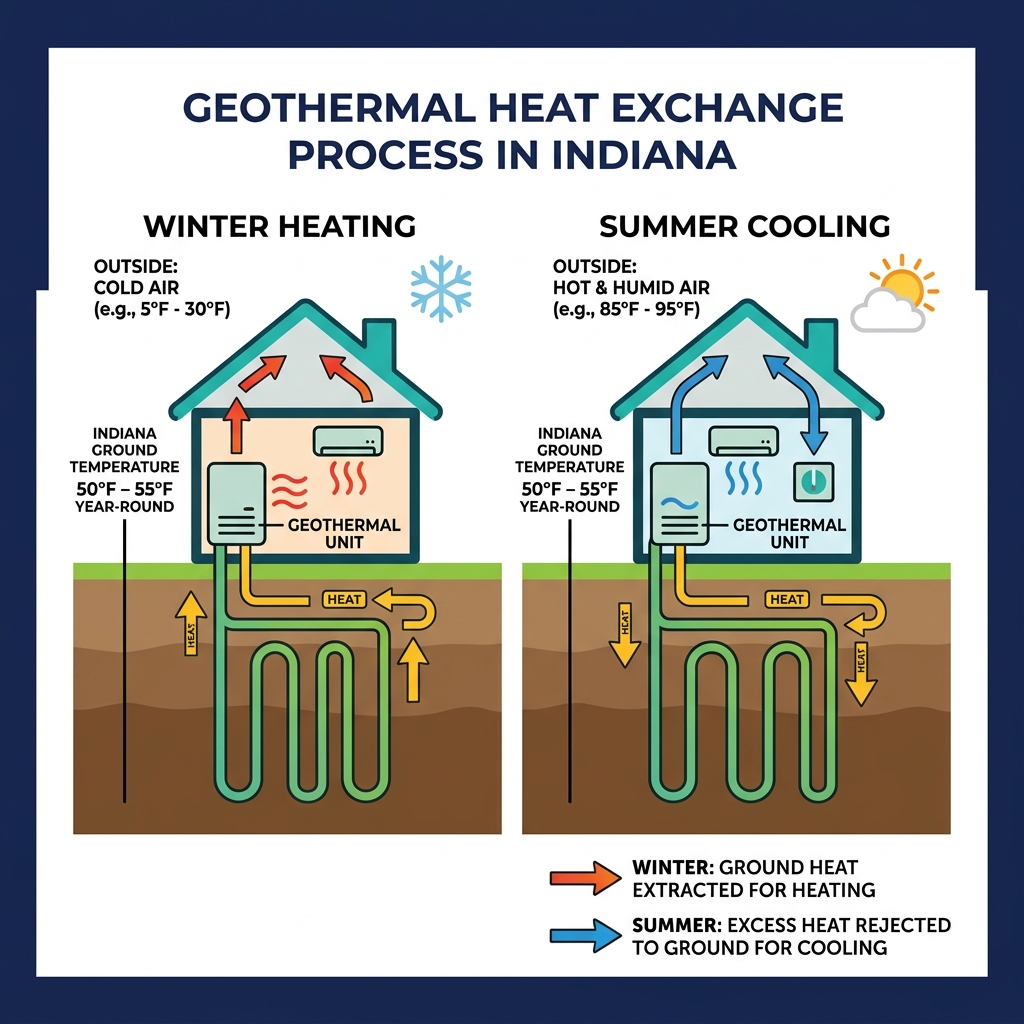
Indiana’s ground temperatures stay remarkably stable at 50–55°F just a few feet below the surface. This stability exists year-round, regardless of whether the air temperature is a blistering 95°F in July or a bone-chilling -5°F in January. This is the fundamental secret of geothermal efficiency: your heating and cooling system isn’t fighting the weather; it’s working in harmony with the earth’s constant thermal energy.
Indiana’s temperature swings and humidity make geothermal performance easier to justify—especially when your system can rely on stable ground temperatures. I’m Mack Blair, founder of Blair & Norris. With over 30 years of well drilling and mechanical systems experience across Central Indiana, I’ve seen firsthand how the region’s geology makes it a natural fit for geothermal. In this comprehensive guide, I’ll walk you through the technical, financial, and practical aspects of these systems to help you decide if geothermal heating is worth it for your specific home and budget.
The Challenge of Indiana’s Climate Extremes and Rising Energy Costs
If you’ve lived in Indiana for more than a single season, you are well-acquainted with the “Hoosier Rollercoaster.” It is not uncommon for residents in cities like Indianapolis, Fort Wayne, or Bloomington to experience a 40-degree temperature swing within a single 24-hour period. Our summers are notoriously humid, placing an immense latent load on air conditioning systems, while our winters can bring sub-zero “Polar Vortex” winds that push traditional gas furnaces and air-source heat pumps to their absolute breaking points.
For many homeowners in growing communities like Noblesville, Zionsville, or Greenwood, the primary challenge is the sheer volume of energy required to maintain indoor comfort during these extremes. Traditional HVAC systems are inherently reactive; they rely on the outside air as their primary heat source or heat sink. In the dead of winter, an air-source heat pump must work incredibly hard to extract heat from 10°F air. As the temperature drops, the efficiency of these units plummets, often requiring the activation of expensive “emergency” electric resistance heat. In the summer, your AC unit must dump heat into 95°F air that is already saturated with humidity. It is a constant uphill battle that manifests every month as a high utility bill.
Beyond daily comfort, there is the looming issue of rising fossil fuel costs. Whether you are heating your home with natural gas, propane, or heating oil, you are at the mercy of global market fluctuations and supply chain disruptions. Furthermore, the carbon footprint of these traditional systems is significant. For homeowners looking to reduce their environmental impact, the constant combustion of fuels is a major hurdle. According to Indiana Geological and Water Survey data on ground temperatures, while our air temperatures fluctuate wildly, our soil remains a constant, reliable thermal battery. This is why geothermal heating is becoming a cornerstone of energy-independent homes across the state.
The Financial Burden of Traditional HVAC
Traditional HVAC can look simpler upfront, but long-term ownership depends on maintenance cycles, exposure to weather, and system lifespan. However, they come with a hidden long-term tax: the maintenance and replacement cycle. A standard air conditioner sitting outside is exposed to Indiana’s snow, ice, heavy rain, pollen, and corrosive debris. This constant exposure limits its functional lifespan to about 10–15 years. Furnaces, while protected indoors, still face the wear and tear of high-heat combustion, usually requiring replacement or major overhauls after 15–20 years.
We also have to consider the inevitable efficiency drop-off. As a traditional unit ages, its mechanical components wear down, leading to electricity spikes during our humid July afternoons. When you calculate the total cost of ownership—including frequent repairs, rising fuel costs, and the inevitable replacement every decade—the “cheaper” option starts to look like a poor long-term investment.
| Operating Cost Factor | Traditional Gas/Electric | Geothermal System |
|---|---|---|
| Annual Energy Consumption | High (100% baseline) | Low (25–50% of baseline) |
| Maintenance Frequency | Annual (Outdoor/Indoor) | Minimal (Indoor Only) |
| Equipment Lifespan | 12–15 Years | 25+ Years |
| Fuel Price Volatility | High | None (Uses Earth Heat) |
How Geothermal Systems Leverage Indiana’s Unique Geology
To understand why geothermal is so effective in the Midwest, you have to think of the earth as a giant solar sponge. The ground absorbs nearly 50% of all the sun’s energy that reaches our planet. While the air temperature in Indianapolis might drop to zero, the ground just six feet down stays at a cozy 55 degrees. A geothermal system uses a specialized “heat pump” and a series of underground pipes called “ground loops” to tap into this reservoir.
In the winter, a water-based solution circulates through these pipes, absorbing the earth’s natural warmth. The heat pump then concentrates that heat and distributes it through your home’s ductwork. In the summer, the process reverses: the system pulls heat out of your house and “dumps” it back into the cool earth. It’s essentially moving heat rather than creating it through combustion. This process is governed by the Indiana Department of Environmental Management geothermal guidelines, ensuring that these systems are installed safely and protect our local groundwater. For a deeper look at the cooling side of things, check out our guide to geothermal cooling in 2025.
Why is geothermal heating worth it in Indiana’s soil?
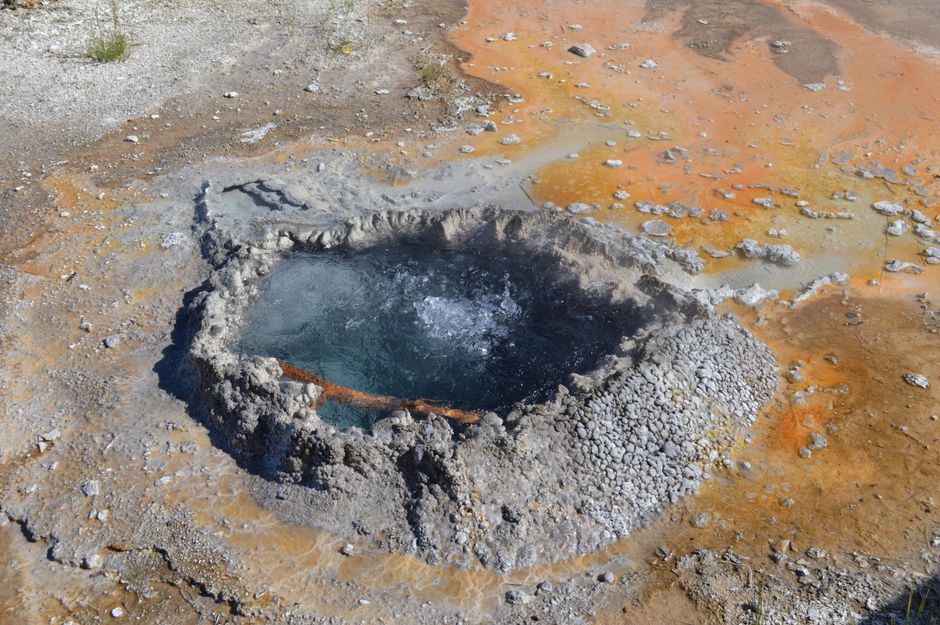
Indiana’s geology is almost perfectly designed for geothermal efficiency. Much of our state is covered in “glacial till”—a dense mixture of clay, silt, and rock left behind by retreating glaciers thousands of years ago. Why does this matter? Clay is excellent at retaining moisture, and moisture is a fantastic conductor of heat. Unlike sandy soils found in other states that can dry out and lose their thermal conductivity, Indiana’s damp clay acts as a high-performance heat exchanger. This means we can often get more “bang for our buck” out of every foot of pipe we put in the ground.
Whether we are using vertical drilling (ideal for smaller lots in Fishers or Carmel) or horizontal trenching (perfect for larger properties in Mooresville or Martinsville), the thermal stability of our soil is what makes the system so reliable. The moisture content in Indiana soil ensures that the heat transfer between the ground and the loop fluid is maximized, leading to higher Coefficient of Performance (COP) ratings.
Selecting the Right Loop System for Hoosier Properties
Not every Indiana yard is the same, which is why there are several ways to “tap into” the earth. The choice of loop system depends on your property size, soil composition, and existing landscaping:
- Closed-Loop (Vertical): We drill holes 100 to 400 feet deep. This is the most common choice for suburban homes because it requires very little yard space. It is also the most efficient way to reach the most stable temperatures deep underground.
- Closed-Loop (Horizontal): If you have an acre or more, we can use an excavator to dig trenches about six feet deep. This option can be a practical fit when you have sufficient yard space and minimal underground obstacles.
- Pond/Lake Loops: If your property has a sufficiently deep pond (at least 8-10 feet), we can coil the pipe at the bottom. This is often the most efficient and least disruptive method, as no excavation or drilling is required on land.
- Open-Loop: This system pulls water directly from a well, runs it through the heat exchanger, and then discharges it. This requires a high-yield aquifer and specific water quality, which we frequently evaluate for our clients in rural Indiana. While highly efficient, it requires careful management of water resources.
Financial Breakdown: Installation Costs and 2025 Incentives
We’ll be straight with you: the upfront investment for geothermal is higher than a traditional furnace and AC. You are essentially paying for 25 to 50 years of “fuel” upfront by installing the ground loops. Federal incentives can improve the feasibility for qualifying homeowners, but eligibility and requirements should be verified for your situation.
Geothermal heat pumps are commonly associated with the Residential Clean Energy Credit (Section 25D), subject to eligibility rules and efficiency requirements. There is no cap on this credit. For qualified projects, the federal credit is calculated as a percentage of the eligible system and installation expenses. This isn’t just a deduction; it’s a dollar-for-dollar reduction in the taxes you owe.
Local utilities and programs may offer incentives in certain service areas—availability and rules vary by provider and timing. These are especially lucrative for homeowners upgrading from inefficient electric resistance heat or expensive propane systems.
Calculating if geothermal heating is worth it in Indiana for your budget
When we sit down with homeowners in places like Avon or Brownsburg, we look at the “Payback Period.” This is the point where the cumulative energy savings have completely paid for the extra cost of the geothermal system compared to a high-efficiency traditional system. For most Indiana homes, this happens in 7 to 12 years.
However, the benefits start on day one. A geothermal system can increase your home’s appraisal value and make it much more attractive to future buyers who value energy efficiency, comfort stability, and lower operational volatility. In a competitive real estate market like Hamilton County, having a “net-zero ready” home is a massive selling point. Furthermore, many Indiana lenders now offer “Green Mortgages” or specialized financing for energy-efficient upgrades, allowing you to spread the cost over time while the energy savings help cover the monthly payments.
2025 Tax Credits and Local Rebates
Beyond the 30% federal credit, Indiana offers specific property tax deductions for solar and geothermal systems. This means the value added to your home by the geothermal system may not increase your property tax bill, providing another layer of long-term savings. To keep these systems running at peak efficiency for decades, we recommend regular check-ups. You can find more info about our maintenance services to see how we help Hoosiers protect their investment and ensure their system remains in compliance with all local regulations.
The Dangers of DIY Geothermal and Why Professional Installation is Mandatory
It’s tempting to think you can do parts of the work yourself but geothermal design and installation require specialized engineering and code compliance. Please, don’t. Geothermal is a highly specialized field that requires a deep understanding of HVAC engineering, plumbing, and local geology. It is not a project for the weekend warrior.
DIY or improperly designed installations can cause major performance problems and complex remediation, especially if loop sizing or fusion joints are incorrect. If the ground loops are sized incorrectly, they can “freeze” the ground around them during a harsh Indiana winter, leading to a system that provides zero heat in February. If the pipe fusions aren’t perfect, you could develop a leak deep underground that is nearly impossible to find and fix without re-drilling the entire field.
We’ve spent 75 years perfecting water systems, and we know that Indiana’s permits and environmental regulations are strict for a reason. Improper handling of refrigerants or unauthorized excavation can lead to heavy fines and voided manufacturer warranties. If you’re having issues with your current water setup while considering an upgrade, check out more info about our well pump services to see how we handle the complex “below-ground” side of your home.
Risks of Improper Ground Loop Design
If a loop system is poorly designed, you might suffer from “thermal exhaustion.” This happens when the system pulls more heat from the ground than the ground can naturally replenish over the course of a season. Over time, the soil temperature drops, and your system’s efficiency plummets. Professional installers use specialized software to calculate the exact “heat load” of your home and match it to the thermal conductivity of your specific soil type. We take into account factors like soil moisture, rock content, and even the proximity of other underground utilities.
Why Specialized Equipment is Required
Installing geothermal requires more than a standard toolbox. At Blair & Norris, we utilize:
- Sonic or Rotary Drilling Rigs: These are necessary to penetrate Indiana’s tough bedrock or heavy, compacted clay layers without collapsing the borehole.
- Fusion Welding Equipment: We use heat to “melt” the high-density polyethylene (HDPE) pipes together. This creates a joint that is actually stronger than the pipe itself, ensuring a leak-proof system for 50+ years.
- Flow Center Calibration: We use precision instruments to ensure the circulating pump isn’t working harder than it needs to, which maximizes your electricity savings and extends the life of the pump motor.
Final Verdict: Is geothermal heating worth it in Indiana?
When you look at the long-term data, the answer is a resounding yes. You are trading a variable, lifelong monthly “tax” (your utility bill) for a fixed investment in your property. In a world where energy prices are increasingly volatile, geothermal provides a level of price certainty that no other system can match.
The ground loops are essentially permanent infrastructure—like your home’s foundation or septic system—and are rated to last 50 years or more. The indoor units are quiet, protected from the elements, and typically last twice as long as traditional AC units. For a complete look at what we offer, you can find more info about our full range of services.
Pros and Cons for Indiana Homeowners
Pros:
- Unmatched Efficiency: Geothermal systems are up to 500% efficient. For every 1 unit of electricity used to move the heat, you get 5 units of heating or cooling energy in return.
- Extreme Longevity: With a 25-year indoor unit life and a 50+ year loop life, this is likely the last HVAC system you will ever need to buy.
- Whisper Quiet Operation: Because there is no noisy outdoor compressor or fan, your patio and backyard remain peaceful, and your neighbors will thank you.
- Eco-Friendly: Geothermal systems involve no onsite combustion, meaning zero fossil fuel emissions and a significantly reduced carbon footprint.
- Massive Savings: Most Hoosiers see a 30–70% reduction in monthly heating and cooling costs immediately after installation.
- Free Hot Water: Many geothermal units include a “de-superheater” that uses excess heat to provide much of your home’s hot water for free.
Cons:
- High Upfront Cost: The initial investment is significantly higher than a standard furnace/AC combo, even with tax credits.
- Installation Disruption: Your yard will look like a construction zone for a few days during the drilling or trenching process.
- Site Requirements: While vertical drilling solves most space issues, very small urban lots or properties with extensive underground obstacles may not be suitable.
For a deeper dive into the data and a scientific perspective on why our region is so well-suited for this technology, you can read this scientific perspective on geothermal suitability.
Frequently Asked Questions about Indiana Geothermal
How long does it take for a geothermal system to pay for itself in Indiana?
Most Indiana homeowners see a full return on investment (ROI) within 7 to 12 years. However, when you factor in the 30% federal tax credit, local utility rebates, and the rising cost of natural gas and electricity, many of our clients are seeing a “break-even” point even sooner. If you are building a new home, the monthly energy savings often exceed the additional monthly mortgage cost from day one.
Can I use my existing ductwork for a geothermal heat pump?
In the vast majority of cases, yes! Geothermal systems are designed to integrate seamlessly with standard forced-air ductwork. During our initial consultation, we will perform a thorough evaluation of your existing ducts to ensure they can handle the specific airflow requirements for maximum efficiency. If upgrades are needed, they are usually minor.
Does Indiana’s cold winter affect geothermal efficiency?
This is one of the biggest advantages of geothermal over air-source heat pumps. Because geothermal draws heat from the 55-degree ground rather than the freezing air, it is completely unaffected by outdoor temperatures. It works just as efficiently when it’s -10°F during a blizzard as it does on a mild 40°F spring day. You will never have to worry about your “backup” heat kicking in and spiking your bill.
What kind of maintenance does a geothermal system require?
Geothermal systems are remarkably low-maintenance. Because the heat exchange equipment is located indoors, it isn’t exposed to the elements. You’ll need to change your air filters regularly, just like a standard system, and we recommend a professional inspection every year or two to check the loop pressure and fluid levels. There are no outdoor coils to clean or protect from snow.
Conclusion
At Blair & Norris, we’ve spent three generations serving our neighbors across Central Indiana—from Tipton down to Columbus and everywhere in between. As a family-owned business with 75 years of history, we don’t believe in high-pressure sales or “one-size-fits-all” solutions. We believe in ethical service, high-quality engineering, and helping our community make smart, long-term decisions for their homes.
If you are tired of the “bill shock” every January and want a system that provides unparalleled comfort while protecting the environment, geothermal is the answer. Whether you are in Indianapolis, Carmel, or rural Morgan County, we are here to help you navigate the process from the first soil test to the final thermostat calibration.
Contact Blair & Norris today for a professional evaluation of your property’s geothermal potential and well system compatibility. Let us help you decide if geothermal heating is the right move for your Hoosier home!