
Protect Your Home With Smart Care of Septic System
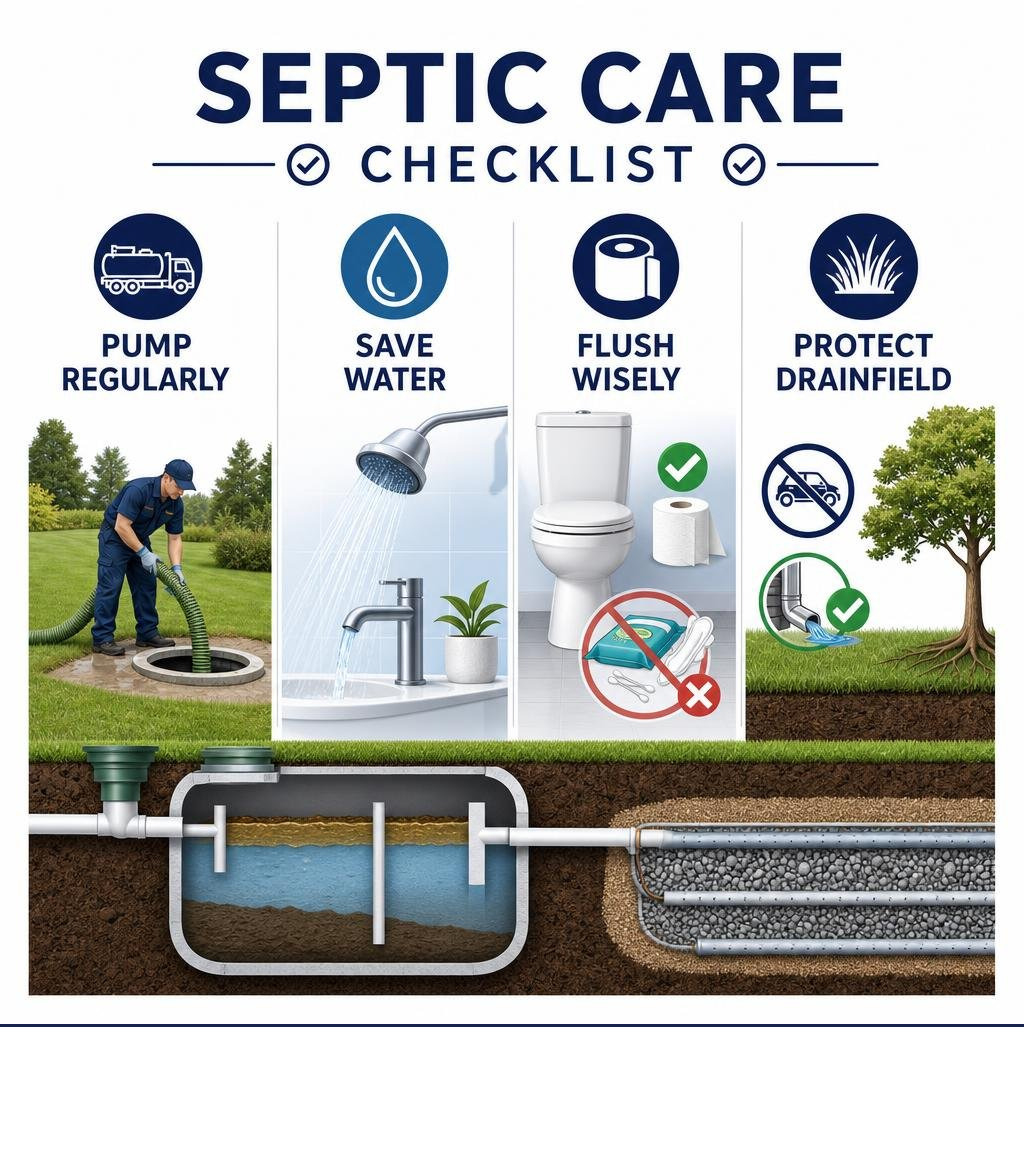
Good care of a septic system comes down to a few steady, dependable habits: pump and inspect the tank on schedule, manage household water usage wisely, flush only human waste and toilet paper, and protect your absorption field from vehicle traffic, aggressive tree roots, and excess surface water runoff. Adopting these proactive practices shields your household from severe plumbing backups, lingering sewage odors, soggy patches across the lawn, and premature structural failure that can drastically shorten the functional lifespan of your on-site wastewater setup.
Most residential tanks require a thorough professional inspection at least once every three years and a full pump-out every three to five years. However, specific household factors such as family size, daily water consumption, tank capacity, and the frequency of garbage disposal use can necessitate a more frequent pumping routine. For example, a standard 1,000-gallon tank serving an active household of four individuals generally reaches capacity and requires professional pumping approximately every 2.6 years to prevent solid accumulation from spilling into the soil absorption trenches.
Your septic system works silently around the clock, receiving domestic wastewater, separating settling solids and floating oils from liquid effluent, and directing clarified liquid into the surrounding soil for natural filtration and biological purification. When too much liquid rushes through the system or excessive solids escape the tank, this natural purification process breaks down. Prioritizing scheduled septic tank pumping and conscious daily water usage is far simpler, cleaner, and more economical than resolving an emergency plumbing failure or facing drainfield contamination.
As your local Central Indiana provider, Blair & Norris is dedicated to delivering dependable septic system service, cleaning, and pumping to help homeowners stay ahead of costly disruptions.
I am Mack Blair, and across my more than 30 years of hands-on experience in Central Indiana septic services, well systems, and pumps, I have witnessed firsthand how consistent, informed care of septic system equipment preserves home value and spares families from stressful, preventable breakdowns.
Understanding Wastewater Basics and Signs of System Failure
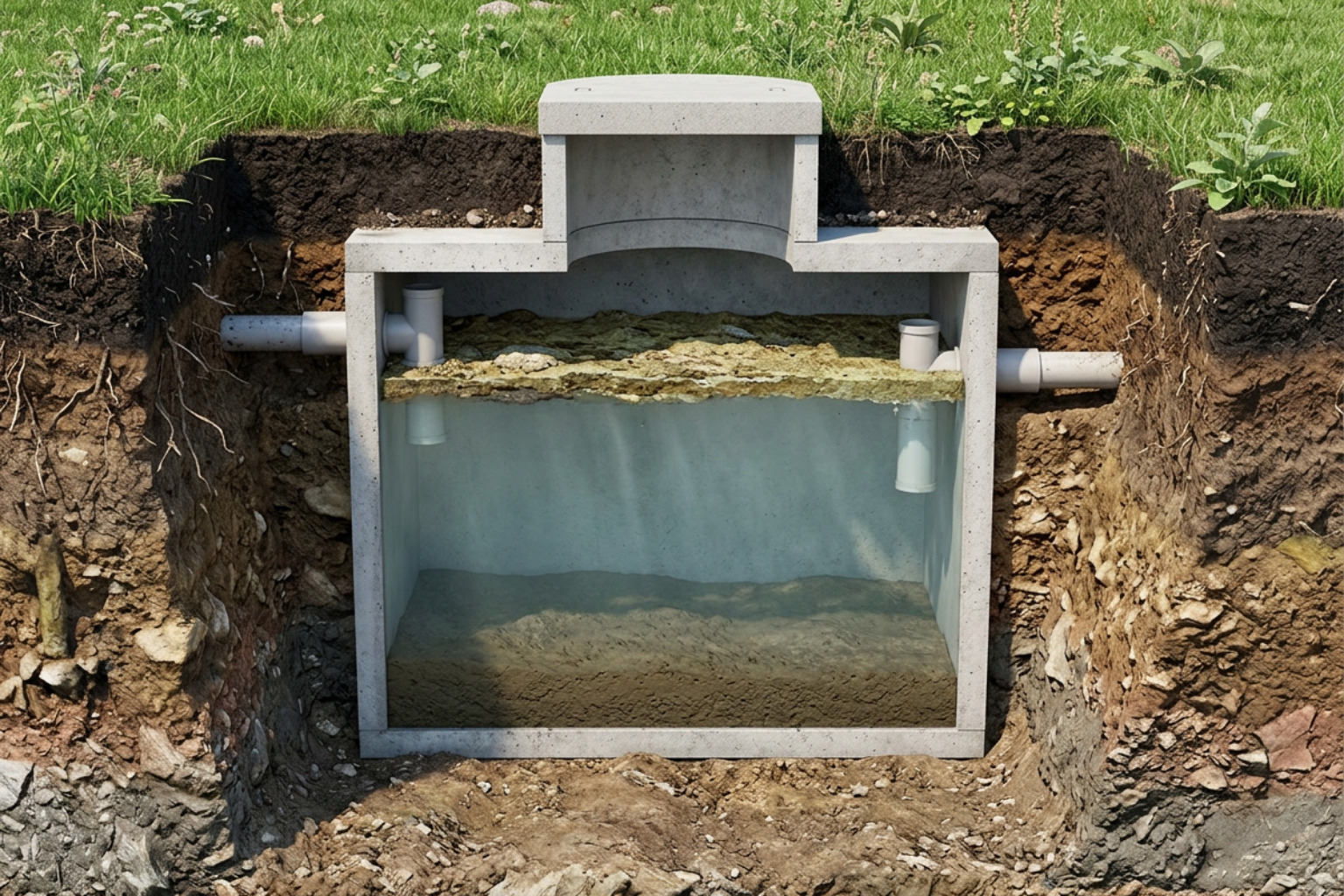
A residential septic setup serves as a completely self-contained, on-site wastewater treatment facility for your property. Because it operates silently underground, homeowners often overlook its complex biological and physical mechanisms until a sink stops draining, a toilet overflows, or foul odors begin drifting across the yard. Understanding how wastewater separates within the tank and safely disperses into the underlying soil provides the foundation for smart, preventative care.
Throughout rural and suburban neighborhoods across Central Indiana, properties rely on these dedicated systems to process and sanitize household discharge safely. When functioning as intended, the system delivers primary physical and biological settling inside the buried watertight tank, followed by secondary biological purification through natural soil strata. The Indiana Department of Health residential septic systems guidance establishes precise sanitary standards to safeguard local groundwater reserves, underscoring that every property owner plays an active role in maintaining public health and environmental integrity.
How Household Septic Systems Function
Every time water leaves a sink basin, bathtub, washing machine, or toilet, it travels through main drainage pipes into the primary septic tank. This chamber acts as a tranquil settling basin where gravity and naturally occurring anaerobic bacteria process the incoming waste stream.
Within the holding chamber, wastewater stratifies into three distinct physical zones:
- The Scum Layer (Top): Lightweight substances such as cooking fats, culinary oils, petroleum-free grease, and soap froth rise to the surface, forming an insulating crust.
- The Clarified Effluent Layer (Middle): Relatively clear liquid wastewater remains suspended between the upper and lower layers, ready to exit the tank.
- The Sludge Layer (Bottom): Heavy organic solids, paper fibers, and dense waste settle to the tank floor. Beneficial anaerobic microbes digest up to half of this organic mass, while non-digestible byproducts form a dense sludge that accumulates steadily over time.
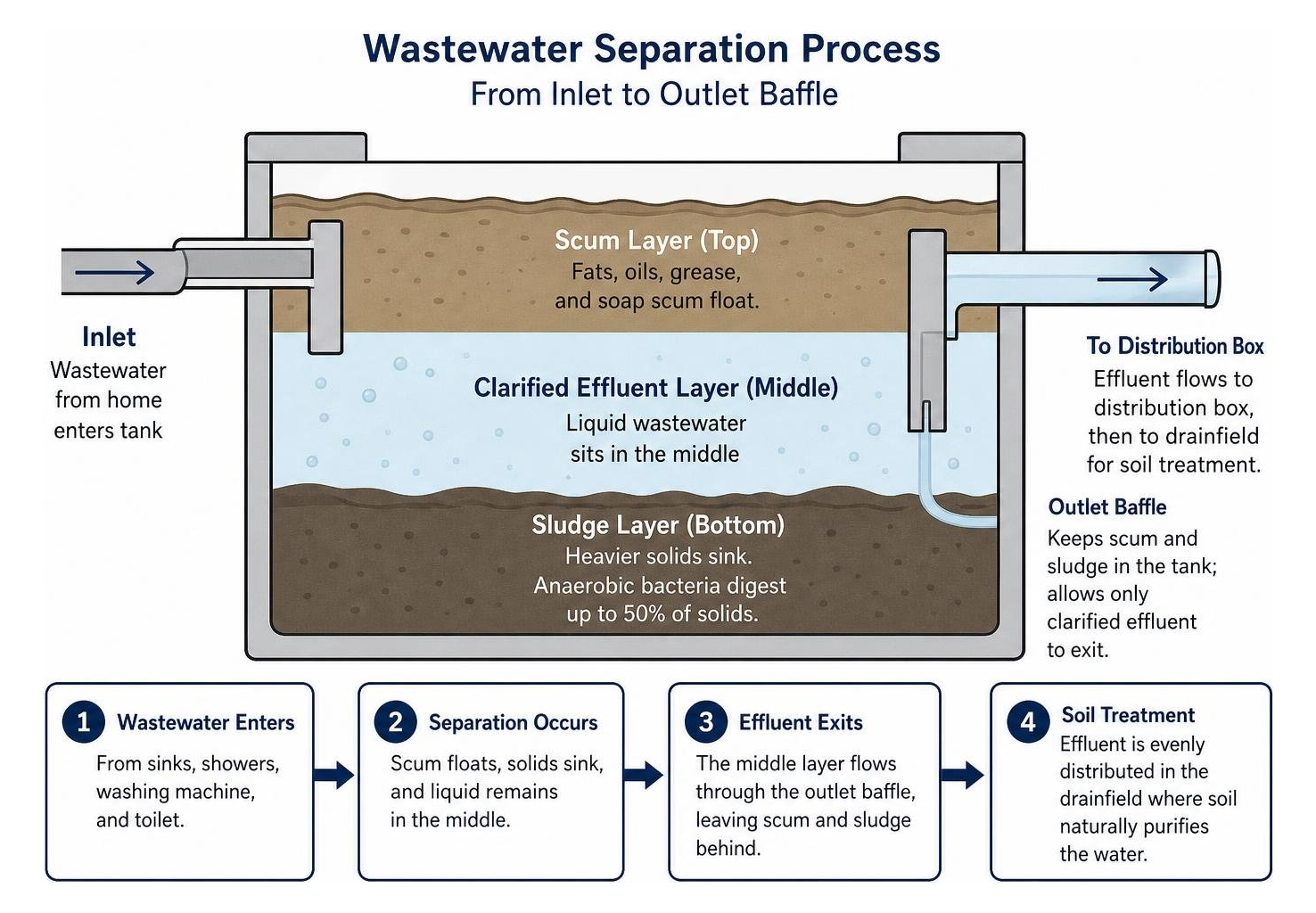
As fresh wastewater enters the intake baffle, an identical volume of clarified middle effluent discharges through an outlet baffle into the distribution network. The liquid moves through perforated pipes set within gravel absorption trenches, where natural aerobic soil bacteria filter remaining pathogens, minerals, and organic compounds before the purified moisture replenishes the regional water table.
Warning Signs of an Overloaded or Failing System
Septic components rarely experience sudden failure without issuing advance warnings. Detecting subtle performance issues allows you to address localized restrictions before raw sewage damages your home or contaminates your outdoor living space.
Key warning indicators include:
- Sluggish Drains and Gurgling Fixtures: When sinks, showers, and toilets drain unusually slowly or emit gurgling noises, it often indicates an overfilled tank or restricted piping.
- Persistent Foul Odors: Strong sewer gas smells near plumbing vents, around the tank access lids, or across the yard signify improper venting or effluent rising toward the surface.
- Spongy, Saturated Ground: Wet, mushy ground over the absorption trenches suggests that wastewater is unable to percolate downward through the soil profile.
- Unusually Lush, Dark Green Turf: Grass growing distinctly greener and faster directly above the drainfield indicates that untreated effluent is acting as an uncontrolled surface fertilizer.
- Standing Surface Effluent: Pooling black water near the tank lid or across drainfield lines represents an advanced failure requiring immediate professional pumping.
Recognizing these warning signs of a septic backup allows homeowners to schedule maintenance quickly and avoid severe interior property damage.
The True Cost and Hidden Dangers of Neglect and DIY Fixes
When routine maintenance is postponed, solids accumulate continuously inside the tank until settling capacity is exhausted. Chronic neglect creates substantial environmental hazards, diminishes property equity, and ultimately forces catastrophic drainfield failure. Attempting unverified home remedies or chemical shortcuts compound these risks, creating severe damage behind the scenes.
Financial and Environmental Consequences of Delayed Pumping
Every septic holding tank possesses a strictly finite storage volume for accumulated sludge and floating scum. When the accumulation is not removed through routine pumping, incoming wastewater sweeps settled solids directly through the outlet baffle, carrying them straight into the delicate distribution box and absorption trenches.
When heavy particulate matter enters the soil absorption area, it fills porous soil voids and feeds an aggressive bacterial slime layer called a bio-mat. While a thin bio-mat helps filter microbes, excess solid loading causes the bio-mat to turn dense and impermeable. Once this occurs, effluent cannot soak into the ground, creating severe backup pressures that push sewage into indoor plumbing fixtures or force contaminated water onto the lawn.
The real-world consequences of neglected maintenance include:
- Local Groundwater and Well Contamination: Untreated wastewater containing disease-causing bacteria, viruses, and elevated nitrates leaches directly into surrounding shallow water tables and private drinking wells.
- Premature Absorption Field Destruction: While a solid concrete tank can endure for several decades, a clogged drainfield cannot easily be cleared and typically requires total excavation and reconstruction at substantial expense.
- Property Transaction Complications: A malfunctioning, overflowing, or failing septic system instantly fails municipal and real estate point-of-sale inspections, stalling property transfers until certified service is completed.
Prioritizing routine care and conducting periodic leach field inspection protects your primary plumbing infrastructure. Investing in regular septic tank cleaning guarantees that your system reaches its complete design lifespan while avoiding thousands of dollars in premature replacement costs.
The Dangers of Unverified Additives and DIY Tank Maintenance
Many property owners fall victim to misleading advertisements for commercial tank additives, yeast packets, chemical solvents, or enzyme boosters promising to dissolve sludge and eliminate mechanical pumping forever. Peer-reviewed university research and environmental health agencies consistently confirm that these commercial additives offer no measurable benefits and frequently inflict severe damage on on-site wastewater systems.
Significant risks associated with DIY chemical treatments include:
- Extermination of Beneficial Flora: Chemical flushes, concentrated bleaches, and acidic additives sterilize the tank, killing the natural anaerobic microbial colonies necessary to break down human waste.
- Sludge Resuspension and Drainfield Ruin: Chemical emulsifiers temporarily break apart heavy sludge solids into microscopic particles that fail to settle, carrying concentrated debris directly into drainfield trenches where it rapidly suffocates the soil.
- Concrete Deterioration and Baffle Collapse: Strong corrosive chemicals degrade concrete tank walls and weaken internal PVC baffle connections, allowing raw floating scum to escape unobstructed into delicate soil lines.
Attempting DIY maintenance inside a septic tank is also exceptionally hazardous to human life. Never lean into, peer closely inside without ventilation, or enter a septic tank under any circumstance. Septic chambers produce deadly concentrations of toxic gases, including hydrogen sulfide, methane, carbon monoxide, and carbon dioxide, while depleting available atmospheric oxygen. Inhaling these concentrated fumes can cause immediate disorientation, respiratory paralysis, and unconsciousness within seconds. All necessary service, evaluation, and pumping must be executed safely from above the ground level by licensed, properly equipped technicians.
Practical Rules for the Daily Care of Septic System Health
Sustainable on-site wastewater management starts with the everyday choices you make at your sinks, showers, laundry appliances, and toilets. Managing what goes down your drains and regulating total indoor water volume protects your tank’s settling efficiency and ensures reliable biological treatment. For comprehensive federal standards, consult the US EPA guide on how to care for your septic system.
Proper Waste Disposal and Care of Septic System Plumbing
Toilets and household drains are engineered exclusively to transport wastewater, human biological waste, and rapid-dissolving toilet paper. Utilizing your plumbing fixtures as convenient trash receptacles introduces stubborn, non-biodegradable debris that anaerobic bacteria cannot digest, rapidly consuming vital storage capacity.
Substances That Must Never Enter the Drainage System:
- Flushable and Wet Wipes: Despite marketing claims, synthetic wipes do not break down in anaerobic environments; they bind with grease, clog intake baffles, and form solid obstructions.
- Cooking Fats, Oils, and Grease (FOG): Warm kitchen grease hardens as it cools, forming a stubborn, thick scum crust that accelerates tank overfilling.
- Feminine Hygiene Products, Tampons, and Diapers: Synthetic fibers, polymers, and cotton expand in water, creating blockages in sewer lines and filling the tank.
- Paper Towels, Wipes, Facial Tissues, and Dental Floss: Heavy paper fibers resist bacterial decomposition, while floss forms tangled netting that traps solids inside outlet filters.
- Harsh Solvents, Motor Oil, and Excessive Bleach: Toxic cleaners, oil-based paints, pesticides, and high concentrations of chlorine disrupt the biological balance required for waste digestion.
Managing Kitchen Garbage Disposals
A kitchen garbage disposal sends finely ground raw food scraps directly into the holding tank. Uncooked food particles decompose much slower than human waste, increasing sludge accumulation by up to 50%. Homeowners who run a garbage disposal must plan for more frequent pumping cycles to prevent solid spillover.
Water Efficiency and Drainfield Protection Strategies
The typical individual consumes roughly 70 gallons of domestic water each day indoors, whereas standard residential septic systems are engineered to receive an average of 50 gallons per resident per day. Excess water use surges through the tank, pushing unsettled solids into the absorption trenches before proper separation can take place.
To balance your household water budget effectively, consider this tiered optimization approach:
- Good: Inspect indoor plumbing fixtures regularly and repair dripping faucets and running toilets immediately. A worn toilet flapper valve can silently leak up to 200 gallons of clean water into your tank each day, hydraulically overloading the soil.
- Better: Install water-conserving plumbing hardware throughout your home, including high-efficiency aerators, low-flow showerheads, and dual-flush toilets to reduce baseline hydraulic stress.
- Best: Stagger high-volume water activities throughout the week. Distribute laundry across several days rather than washing six consecutive loads in a single afternoon, allowing your drainfield ample resting time to absorb and dissipate liquid.
Protecting Your Absorption Field Outside
The underground drainfield requires active surface protection to maintain soil porosity and allow natural aeration:
- Prohibit Heavy Vehicle Loads: Never operate or park cars, trucks, heavy lawn mowers, or construction machinery above the tank or drainfield, as soil compaction crushes buried pipes.
- Redirect Exterior Runoff: Route roof downspouts, driveway runoff, sump pump discharge conduits, and irrigation lines completely away from the drainfield to prevent ground saturation.
- Cultivate Appropriate Groundcover: Maintain a healthy cover of shallow-rooted lawn grass over the absorption area to stabilize soil and encourage evapotranspiration, avoiding deep-rooted trees or shrubs whose roots can invade perforated lateral lines.
Routine Maintenance Protocols for Long-Term System Reliability
Implementing a consistent maintenance schedule eliminates guesswork and shields your home from plumbing emergencies. Combining timely professional evaluations with scheduled pumping intervals maintains mechanical integrity, preserves drainfield functionality, and extends the operational life of your system.
Recommended Pumping Intervals
The table below details recommended pumping intervals based on total tank volume and household occupancy:
| Tank Size (Gallons) | 1 Person | 2 People | 4 People | 6 People |
|---|---|---|---|---|
| 750 | 9.1 Years | 4.2 Years | 1.8 Years | 1.0 Year |
| 1,000 | 12.4 Years | 5.9 Years | 2.6 Years | 1.5 Years |
| 1,250 | 15.6 Years | 7.5 Years | 3.4 Years | 2.0 Years |
| 1,500 | 18.9 Years | 9.1 Years | 4.2 Years | 2.6 Years |
Note: Homes equipped with kitchen garbage disposals should increase pumping frequency by 30% to 50% to account for accelerated solid accumulation.
What Occurs During Professional Septic Service
Comprehensive professional service provides a complete assessment of your tank’s operating condition and structural health.
During a standard service appointment, a technician will:
- Measure Sludge and Scum Accumulation: Utilize specialized dip tubes to record exact depths of floating scum and bottom sludge, confirming ideal pumping frequency.
- Inspect Structural Baffles and Tees: Verify that concrete or PVC inlet and outlet baffles are intact, properly seated, and keeping solids from escaping.
- Extract and Clean the Effluent Filter: Remove, wash, and reinstall the reusable outlet filter screen to maintain unobstructed outflow to the absorption area.
- Evaluate Wastewater Inflow and Flow Dynamics: Confirm that household drainage enters the chamber smoothly without structural resistance or abnormal liquid elevation.
Scheduling an expert septic tank pumping service removes accumulated solids before they reach dangerous thresholds. Following these protocols ensures your system runs cleanly and reliably.
Choosing a Qualified Local Service Partner
Selecting an established, licensed, and insured provider ensures your wastewater system receives expert care. A dedicated contractor will provide transparent documentation of your tank’s condition and maintain thorough pumping records for your household files.
Homeowners with private well systems also benefit from working with professionals who understand the close connection between on-site waste management and clean drinking water. In our water well operations, we utilize advanced Mud Puppy equipment for clean mud recycling and drilling, reflecting our dedication to modern, environmentally sound practices across all water systems. You can rely on our dedicated septic services across Central Indiana to keep your household utilities functioning seamlessly throughout every season.
Frequently Asked Questions About Septic Care
How often should a typical household septic tank be pumped?
Most residential septic tanks require comprehensive pumping every three to five years. The exact interval depends on total tank capacity, the number of people living in the home, total water volume generated, and whether a kitchen garbage disposal is used. For example, a four-person family utilizing a 1,000-gallon tank should plan on professional pumping approximately every 2.6 years to keep sludge layers within safe operational boundaries.
Are chemical or biological septic additives safe and effective?
No. Scientific research consistently shows that commercial biological boosters, yeast packets, and chemical additives are completely unnecessary for a healthy tank. Human waste and domestic wastewater naturally deliver all the active bacteria needed to digest organic matter. In fact, many chemical additives can cause active harm by killing vital bacteria or breaking settled solids into fine suspensions that travel into the drainfield and clog soil pores.
Can garbage disposals harm an on-site septic system?
Yes, frequent garbage disposal use introduces large amounts of un-digested food solids into the septic chamber. Food scraps break down much slower than human waste, rapidly accelerating bottom sludge accumulation. If your home has a disposal unit, you should either minimize its use or increase your professional pumping frequency by 30% to 50% to avoid premature field clogging.
How can I tell if my drainfield is experiencing problems?
Common indicators of drainfield distress include sluggish plumbing fixtures throughout the house, persistent gurgling sounds in drain lines, sewage odors outdoors, wet or spongy turf over absorption trenches, and unusually bright green grass growing over lateral lines. If you notice standing wastewater pooling on the lawn, contact a licensed professional immediately to evaluate the system.
Conclusion
Consistent care of your septic system is the single most effective way to safeguard your property value, protect local drinking water supplies, and prevent disruptive plumbing emergencies. By practicing daily water efficiency inside your home, keeping unapproved items and harsh chemicals out of your drains, protecting your absorption field from heavy loads, and adhering to a routine pumping schedule, you ensure dependable performance for decades to come.
When it comes to keeping your septic tank clean, efficient, and running smoothly, partner with an experienced team you can trust. Blair & Norris has proudly served residential property owners across Indianapolis, Carmel, Fishers, Noblesville, Greenwood, and surrounding Central Indiana communities for more than 75 years. As your local Central Indiana provider, our family-owned business specializes in honest service, dependable septic tank pumping, and reliable well and pump solutions. We support our customers with 24/7 live phone support, and our dedication to quality workmanship is reflected in our outstanding Google Reviews.
Do not wait for slow drains, gurgling pipes, or soggy lawns to signal a backup. Contact Blair & Norris today for an estimate on your next septic tank cleaning and pumping service!