
Why Your Home’s Well Pump Deserves More Attention Than It Gets
Well pump services are the foundation of reliable, clean water for any home that depends on a private well, covering everything from routine inspections and water testing to emergency repairs and full system replacements. For many homeowners in rural and suburban Indiana, the well pump is the most critical piece of infrastructure on the property, yet it is often the most neglected because it is out of sight and out of mind.
Here’s a comprehensive look at what professional well pump services typically include:
| Service | What It Covers |
|---|---|
| Inspection | Pressure checks, flow testing, component review, and electrical amp draw analysis |
| Repair | Pressure switches, check valves, wiring, motor issues, and control box troubleshooting |
| Replacement | Submersible or jet pump swap-outs, including pipe and wire upgrades |
| Water Testing | Bacteria, nitrates, iron, arsenic, hardness, and lead analysis |
| Well Chlorination | Disinfection after service, for new wells, or to resolve water quality issues |
| Maintenance Plans | Scheduled visits to catch problems early and extend the life of the system |
If you rely on a well, your pump is working around the clock. Every shower, every glass of water, every load of laundry, and every flush of the toilet depends on its performance. Most homeowners don’t think about the mechanical stress involved until something goes wrong. And when it does, the impact is immediate and disruptive: no water, dangerously low pressure, or water that looks, tastes, or smells off.
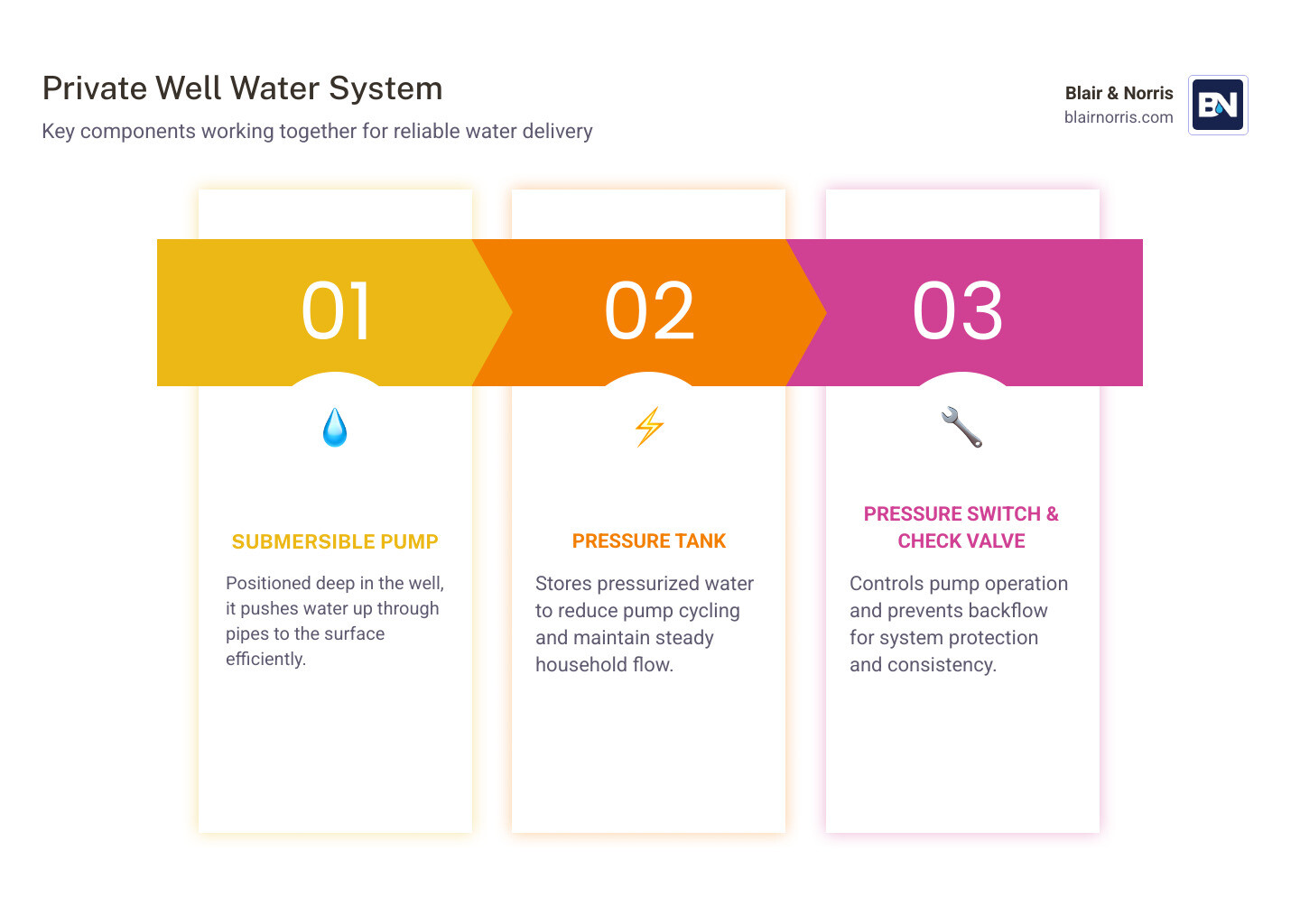
The challenge is that modern well systems are complex mechanical and electrical ecosystems. A pressure tank, check valve, pressure switch, UV filter, and the pump itself all work in a delicate balance. When one part fails, it can create a domino effect that looks like a different problem entirely. For instance, a failing pressure tank can burn out a perfectly good pump motor in a matter of weeks. That’s why knowing what to watch for and when to call a professional can save you thousands of dollars and a lot of frustration.
I’m Mack Blair, and with over 30 years of hands-on experience in well pump services across Central Indiana, I’ve seen how a small, ignored issue can turn into a full system failure. At Blair & Norris, we’ve built our reputation on helping homeowners just like you keep their water systems running reliably, safely, and efficiently. We understand the unique geology of our region and the specific challenges that Indiana groundwater presents to mechanical equipment.
Well Pump Services terms simplified:
Recognizing the Warning Signs of Well Pump Failure
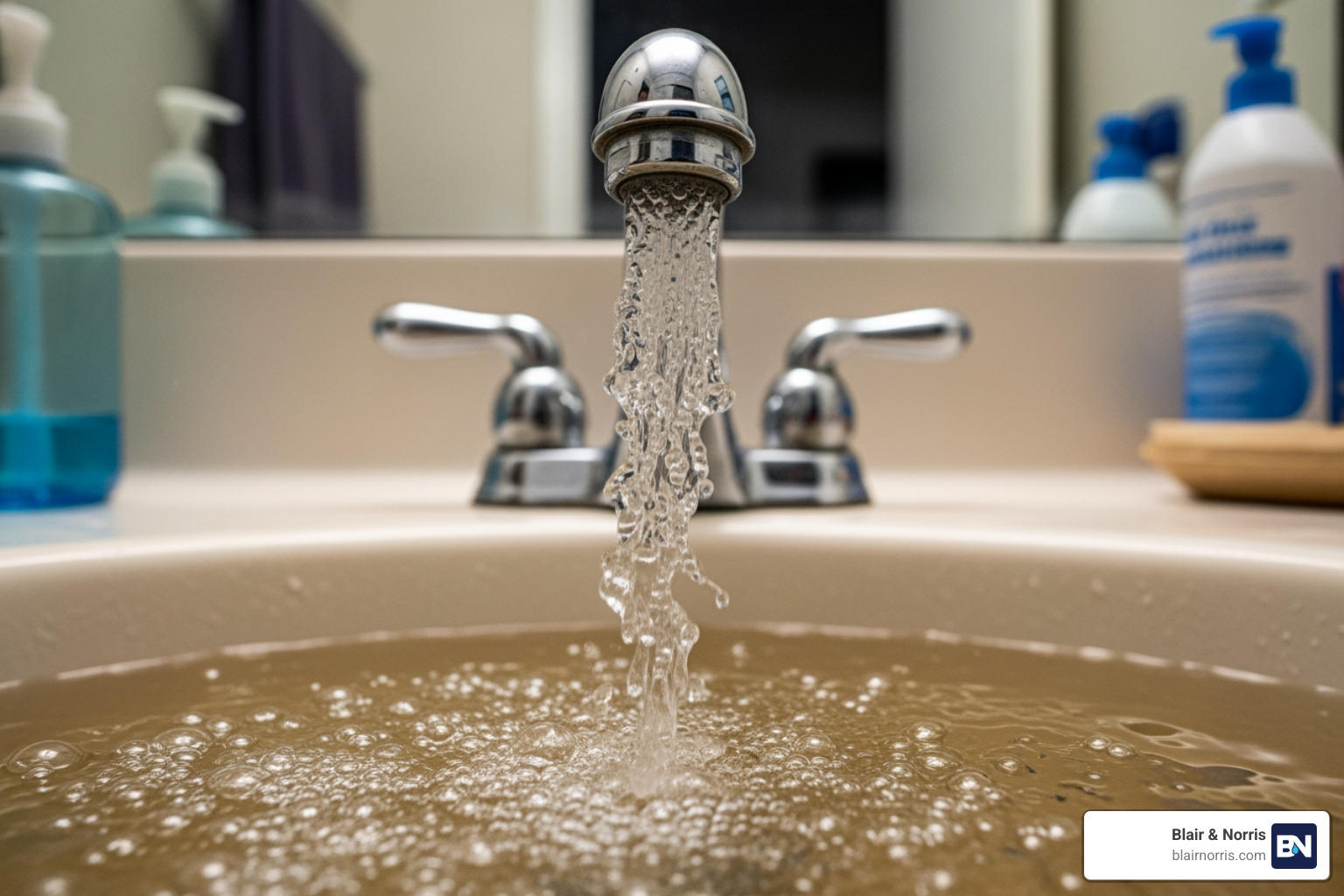
Living in areas like Zionsville or Noblesville, we often take our water for granted until the faucet starts “coughing” at us. Recognizing early warning signs is the difference between a simple pressure switch adjustment and a total system meltdown that requires drilling a new well or replacing an expensive submersible unit.
One of the most common indicators is fluctuating water pressure. If your shower starts strong but fades to a trickle within minutes, or if the pressure bounces up and down while you’re washing dishes, your pump or pressure tank is likely struggling. This often indicates that the pump is unable to keep up with the demand or that the pressure tank’s internal bladder has failed, leaving no “buffer” of pressurized water for the home to draw from.
You might also notice sputtering faucets, which usually means air has entered the system. This is more than just an annoyance; it’s a sign of a physical breach. This often points to a break in the drop pipe leading to the pump, a failing check valve, or, in some cases, the water level in the well dropping below the pump intake. When air is introduced, it can cause “water hammer,” which puts immense physical stress on your plumbing joints.
Keep an ear out for strange clicking noises. That rapid-fire clicking near your water tank is the sound of the pressure switch “cycling” too fast. This usually happens when the pressure tank has lost its air charge or the bladder has ruptured, a condition known as being “waterlogged.” If left unaddressed, this constant on-and-off switching will burn out your pump motor prematurely because the start-up phase is the most taxing part of a motor’s operation.
Other red flags include:
- No water flow at all: The ultimate sign of a dead pump, a tripped circuit breaker, a blown control box capacitor, or a broken wire deep underground.
- Murky, muddy, or sandy tap water: This could mean the pump is sitting too low in the well and sucking up sediment, or it could indicate that the well screen is failing, allowing silt to enter the casing.
- High electricity bills: A pump that runs constantly to maintain pressure because of a leak or a failing motor is a massive energy hog. If your bill spikes without a change in usage, the well pump is a prime suspect.
- Odors or Tastes: A sudden change to a “rotten egg” smell or a metallic taste can indicate changes in the water table or issues with the well’s sanitary seal.
If you are noticing these issues, check out our guide on 13 signs your well pump needs to be repaired or learn about the 5 telltale signs you might need a new well pump. For broader safety standards, the Water Systems Council provides excellent resources for private well owners to help them understand the mechanics of their water supply.
Understanding Different Types of Well Pump Services
When it comes to Well Pump Services, there isn’t a one-size-fits-all solution. The type of pump your home requires depends heavily on the depth of your well, the diameter of the casing, and your daily water usage requirements. Understanding these differences helps you make an informed decision when a replacement is necessary.
Submersible Pumps
These are the workhorses of modern Indiana wells. A submersible pump is a long, cylindrical unit placed deep inside the well casing, fully submerged underwater. Because they “push” water upward rather than “pulling” it, they are incredibly efficient and can last 10 to 15 years with proper care. They are ideal for the deeper wells often found in Hamilton and Boone Counties, where the water table may be 100 to 300 feet down. Because they are located deep in the well, they are also silent from inside the home and are protected from freezing temperatures.
Jet Pumps
Jet pumps are typically mounted above ground, often in a basement, crawlspace, or a dedicated well house. They use suction to pull water up through a pipe. Single-drop jet pumps are best for shallow wells (less than 25 feet), while double-drop jet pumps use a venturi nozzle located in the well to handle depths up to about 100 feet. While easier to access for repairs since they aren’t at the bottom of a hole, they are generally less efficient and noisier than submersible models. They also require “priming” with water to function, which can be a hassle if the system loses pressure.
Constant Pressure Systems
If you’re tired of the pressure dropping every time someone flushes a toilet while you’re in the shower, a constant pressure system is the modern answer. These systems use a Variable Frequency Drive (VFD) to adjust the pump motor speed based on real-time demand. Instead of the pump being either “100% on” or “off,” it spins only as fast as needed to maintain a steady PSI. It’s the closest you can get to municipal water pressure on a private well, providing a luxury experience even in rural settings.
Choosing the right technology is vital for long-term satisfaction and energy efficiency. You can read more on how to select the best water well pump to see which fits your specific property. Additionally, the EPA provides guidelines on maintaining private drinking water wells to ensure system efficiency and safety.
Choosing the Right Well Pump Services for Your Depth
Sizing a pump isn’t just about picking the biggest motor on the shelf. In fact, an oversized pump can be just as damaging as an undersized one, leading to “short cycling” and excessive wear. We calculate the required horsepower and gallons per minute (GPM) based on the number of fixtures in your home, the “Total Dynamic Head” (the vertical distance plus friction loss), and the “yield” of your well. A typical residential home usually requires 7 to 12 GPM. If you have a large family in Fishers or a small farm in Shelbyville with livestock, your needs will vary significantly. Our guide to installing a well pump covers these technical requirements in more detail.
Modernizing Your Home with Constant Pressure Well Pump Services
Many homeowners are upgrading to VFD technology because it eliminates the “pressure bounce” of traditional systems. Beyond comfort, these systems offer advanced motor protection by softly starting and stopping the pump, which reduces mechanical stress on the impellers and the drop pipe. This technology can even help resolve issues like submersible water pump low pressure by ensuring the pump works smarter, not harder, adapting to the specific flow needs of your household at any given moment.
The Hidden Risks of DIY Well Pump Troubleshooting
In the age of YouTube tutorials and home improvement forums, it’s tempting to try and fix a “no water” situation yourself. However, Well Pump Services involve a dangerous trifecta of high-voltage electricity, high-pressure water, and potential groundwater contamination. What looks like a simple fix can quickly escalate into a dangerous or extremely expensive situation.
One of the biggest risks is the electrical hazard. Well pumps typically run on 230-volt circuits, which carry enough current to be lethal. Working on a pressure switch or a control box in a damp basement or near a wet well head is inherently risky. One wrong move with a multimeter or a loose wire in a damp environment can result in severe injury. Furthermore, the wiring leading down to a submersible pump can degrade over time; handling these wires without proper insulation testing can lead to shocks or short circuits.
There are also significant physical risks to the well itself. Submersible pumps are heavy and are attached to hundreds of feet of pipe filled with water. If you attempt to pull a pump without the proper hoist or “pipe elevators,” you risk dropping the entire assembly down the well casing. If a pump becomes wedged or lost at the bottom of a 200-foot hole, it can turn a $1,500 repair into a $15,000 “drill a new well” nightmare. Most manufacturers will also void equipment warranties if the unit wasn’t installed by a licensed professional, leaving you with no recourse if the new part fails.
Before you grab the pipe wrench, consult our complete well pump troubleshooting guide to see what you can safely check (like your circuit breakers or the power at the pressure switch) and when you need to stop. The Indiana Department of Natural Resources (IDNR) regulates these installations for a reason—to protect our state’s precious groundwater from contamination that can occur if a well cap is not sealed correctly or if non-potable materials are introduced into the casing.
Why Professional Well Pump Services Outperform DIY Fixes
When we arrive at a home in Carmel or Avon, we aren’t just swapping parts. We use specialized diagnostic tools to check the “amp draw” of your motor and the “insulation resistance” (megger testing) of your wiring. This allows us to find the root cause—perhaps a corroded wire underground or a failing capacitor—rather than just replacing a pump that might still be good.
Professional service provides:
- Diagnostic Accuracy: We use flow meters and pressure gauges to fix it right the first time.
- Insurance Coverage: We are bonded and insured, protecting your property from accidental damage during the repair process.
- Long-term Savings: Proper sizing and professional installation prevent premature failure and ensure your system runs at peak efficiency.
- Specialized Equipment: We use truck-mounted hoists and electronic sensors that the average homeowner simply doesn’t have access to.
Deciding whether to patch a system or start fresh? Read our breakdown on well pump repair or replacement considerations to understand the long-term financial impact of your choice.
Essential Maintenance for a Long-Lasting Well System
With proper Well Pump Services, a high-quality pump should last 10 to 15 years, and sometimes even longer. However, that lifespan is shortened drastically by sediment, poor water quality, or a failing pressure tank. Maintenance is not just about fixing what is broken; it is about protecting the investment you have already made in your home’s infrastructure.
The pressure tank is the most critical “partner” to your pump. It stores pressurized water so your pump doesn’t have to turn on every time you wash your hands or fill a glass. If the tank fails—usually due to a ruptured internal bladder—the pump will “short cycle,” turning on and off rapidly. This is the leading cause of motor burnout. Checking your tank’s air pressure annually is a simple task that can add years to your pump’s life. If you suspect your tank is on its way out, our well pressure tank replacement guide can help you identify the symptoms before the pump fails.
Water quality testing and well chlorination are also vital components of maintenance. In Indiana, we deal with high iron and hardness levels, as well as naturally occurring minerals like manganese. Over time, mineral scale or “iron bacteria” can build up inside the pump’s impellers and the drop pipe, forcing the motor to work harder and run hotter. We recommend testing your water at least once a year for bacteria and nitrates, especially if you live near agricultural areas where runoff can affect the water table. The Indiana State Department of Health offers comprehensive resources on what to test for in our local soil and how to interpret the results.
To better understand your system’s longevity and what factors might be working against it, check out our article on the average life expectancy of a well pump.
Preventative Well Pump Services and Inspections
Think of a well inspection like an oil change for your car. During a preventative visit, we perform an electrical audit to ensure your wires aren’t fraying and a flow test to see if your well’s yield (the amount of water it produces) is dropping. We also check the sanitary seal on the well cap to ensure no insects, rodents, or surface water can enter the well. This is particularly important during real estate transactions. If you’re buying or selling a home in Greenwood or Brownsburg, a professional well and septic inspection is the only way to ensure you aren’t inheriting a failing system that could cost you thousands shortly after closing. A well that was sufficient for two people may fail when a family of five moves in, making a professional yield test essential.
Frequently Asked Questions about Well Systems
How much do typical well pump services cost?
While we don’t provide flat pricing due to the extreme variability of every well, several factors influence the final investment. The depth of the well is the biggest factor; a pump sitting at 300 feet requires more labor, more wire, and heavier-duty piping than one at 50 feet. Other factors include the horsepower of the motor, the type of piping used (PVC vs. galvanized steel), and whether the service is a scheduled visit or a 24/7 emergency call. We always provide a clear explanation of the costs before work begins.
Why is my well pump constantly cycling on and off?
This is almost always a sign of a “waterlogged” pressure tank. When the air cushion in your tank disappears, there is no “buffer” to hold pressure, so the pump kicks on the second you open a tap and kicks off the second you close it. Other culprits include a leaking check valve (allowing water to drain back into the well), a failing pressure switch, or a hidden leak in your underground water line. You can learn how to stop a continuously running pump here to prevent motor damage.
How often should I test my well water quality?
We recommend a basic bacteria and nitrate screening annually. However, if you notice a change in taste, odor, or color, or if there has been significant flooding in your area, you should test immediately. In certain parts of Indiana, testing for arsenic, lead, or volatile organic compounds (VOCs) is also advisable depending on local land use. Regular testing ensures that your Well Pump Services include the right filtration or chlorination treatments to keep your family safe.
Can I use my well during a power outage?
Standard electric well pumps will not work during a power outage because they require significant voltage to run. If you live in an area prone to outages, you might consider a backup generator or a manual hand-pump backup. Some homeowners also install larger storage tanks to provide a few extra gallons of gravity-fed water during short-term power losses.
What is “well yield” and why does it matter?
Well yield is the amount of water that can be pulled from the well per minute over a sustained period. If your pump is more powerful than your well’s yield, you can “pump the well dry,” which can damage the pump. Professional well pump services include matching the pump’s output to the well’s natural recovery rate to ensure a sustainable water supply.
Conclusion
Your well system is the heart of your home’s infrastructure, providing the most essential resource for life. From the quiet suburbs of Carmel to the expansive farmsteads of Morgan County, having a reliable, high-pressure water supply isn’t just a convenience—it’s a necessity for health, hygiene, and daily comfort. At Blair & Norris, we’ve spent the last 75 years perfecting the art of Well Pump Services, evolving alongside the technology to provide the best possible solutions for Indiana homeowners.
As a family-owned and operated business, we understand the stress and vulnerability of waking up to no water. That’s why we offer 24/7 live phone support—you’ll talk to a real person who understands your problem and can dispatch help, not an automated machine or an out-of-state call center. Whether you need a routine inspection to prevent future headaches, a comprehensive water quality check for your family’s safety, or an emergency well pump service near me, our ethical standards and high-quality craftsmanship ensure your system stays healthy for years to come.
Don’t wait until you’re left high and dry with a failed motor or a contaminated well. Proactive care is always more affordable than emergency replacement. Request professional well and pump services from Blair & Norris today and let our family take care of yours, ensuring you have clean, pressurized water every time you turn on the tap.