Why Drilling Well Services Matter for Central Indiana Homeowners
For Central Indiana homeowners, drilling well projects offer reliable, independent water access for generations. A professionally drilled well provides long-term water security and potential cost savings, especially for those with unreliable municipal supply, high water bills, or rural properties without city connections.
Key Well Drilling Services You Need:
- Site evaluation and permits – Professional assessment of your property’s geology and aquifer potential
- Licensed drilling and installation – Proper well construction using various methods
- Well development and testing – Yield verification and water quality analysis
- Pump system installation – Complete setup of pumps, pressure tanks, and distribution systems
- Ongoing maintenance and repair – Annual inspections and emergency service
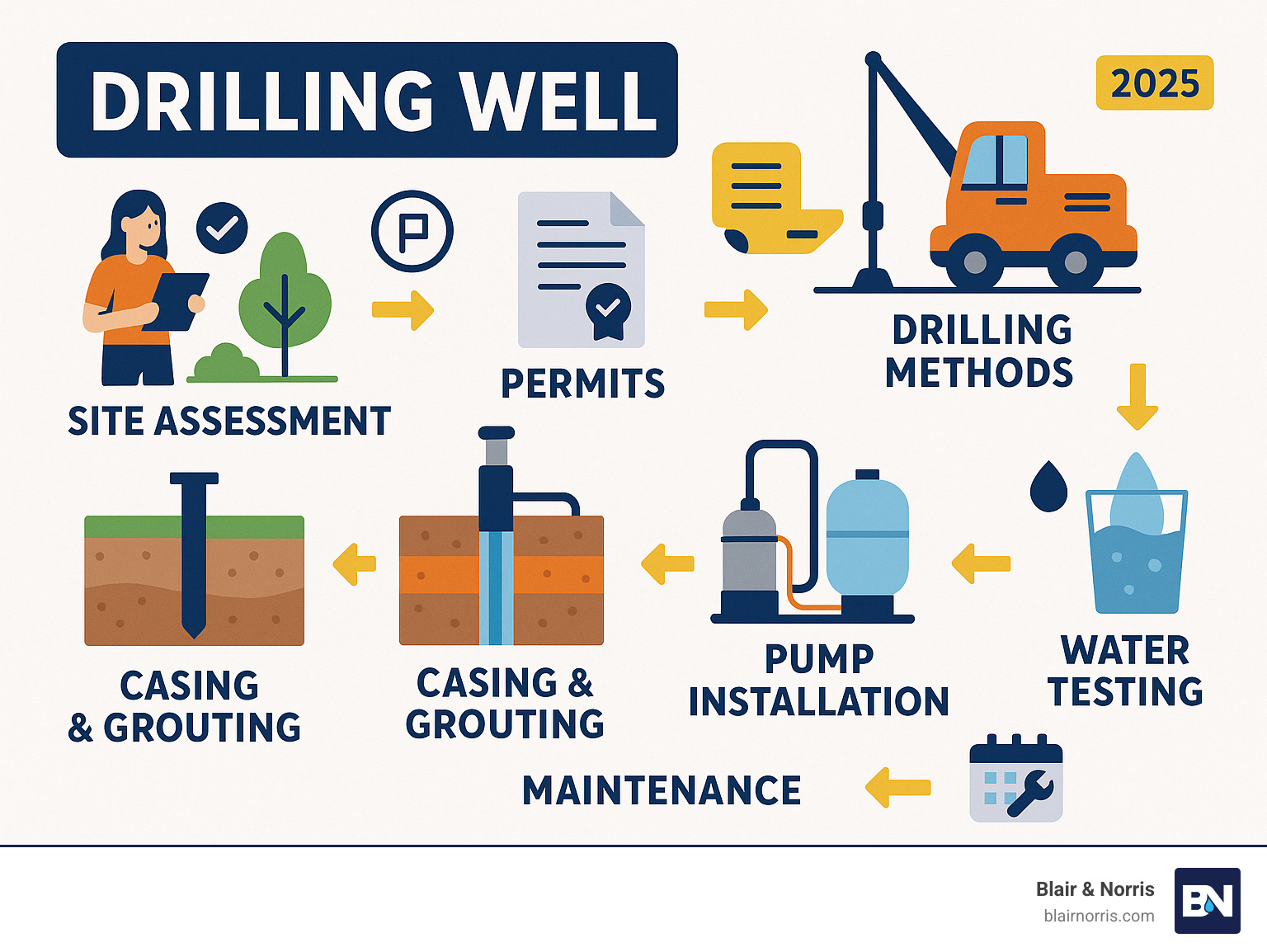
About 15 million American homes rely on private water wells, with drilling costs typically ranging from $15 to $30 per foot. The process involves multiple steps, from site selection and permitting through drilling, casing, development, and water quality testing.
I’m Mack Blair. For over 30 years, I’ve helped Central Indiana families achieve water independence. I grew Blair & Norris from a one-truck operation, started by my grandfather, into a trusted company handling all aspects of well drilling, pump installation, and maintenance.
Basic drilling well terms:
How to Choose a Reliable Drilling Company
Choosing the right partner for your drilling well project is a crucial investment in your family’s future. A reliable company ensures your well will serve you for generations, while cutting corners can lead to costly problems.
A trustworthy drilling well company must have proper licensing and insurance. This is your protection, proving the contractor meets technical and safety standards and covers you if anything goes wrong. Beyond credentials, look for a company with deep local roots and a long-standing ethical reputation. Family-owned businesses, like ours serving Central Indiana for 75 years, often have the strongest commitment to quality, as their name and legacy are on the line.
Permit knowledge is another crucial factor. Your drilling contractor must understand local regulations, including setback rules—wells must be at least 50 feet from sewers and septic tanks, and 100 feet from pastures and absorption fields. Reputable companies also provide transparent pricing with clear cost-per-foot estimates and offer 24/7 support for emergencies.
Before making your final decision, ask the right questions. Our guide on 6 Crucial Questions to Ask Before Drilling a Well will help you evaluate any contractor thoroughly.
Red Flags and Deal-Breakers
Some warning signs should make you walk away. Companies quoting suspiciously low prices often have hidden fees. Always demand a comprehensive cost breakdown. Another major red flag is skipping the pump test, a critical step to verify your well’s capacity that should run for at least 24 hours. Any contractor who suggests skipping this is cutting corners at your expense. Finally, be concerned by poor references or an inability to provide local examples of their work. Don’t hesitate to ask for and contact references.
11 Traits of the Best Well Drilling Companies
The best companies practice thorough due diligence, conducting site assessments using geological maps and data from nearby wells. Transparency is key, from explaining drilling methods to providing detailed cost breakdowns. They maintain an excellent safety record and offer comprehensive services beyond drilling, including pump installation and long-term maintenance. Local expertise is vital, as Central Indiana’s unique geology requires specific knowledge that only comes from years of experience in the area.
For a complete breakdown of what separates the exceptional companies from the average ones, check out our detailed guide on 11 Traits of the Best Well Drilling Companies.
Drilling Well Techniques Explained
Choosing the right technique is critical for a successful drilling well project. The wrong method can turn a straightforward job into a costly nightmare. The right method depends on your land’s geology. Rock formations require different techniques than unconsolidated materials like sand or clay, as each method has a unique cutting action and fluid management system for specific conditions.
- Air rotary drilling uses compressed air to power a rotating drill bit, blasting cuttings out of the borehole. It excels in solid rock formations, offering quick penetration.
- Mud rotary drilling uses a closed-loop system, pumping drilling mud to cool the bit, stabilize the borehole walls, and carry debris to the surface. It works well in sand and clay.
- Cable tool drilling is a slower, percussion-based method where a heavy bit is repeatedly dropped to pulverize rock. It excels in hard formations and uses less water.
- Down-the-hole drilling combines rotary action with a hammer at the bottom of the borehole, delivering powerful impacts for very hard rock that needs deeper precision.
- Reverse circulation drilling uses dual-wall pipe to bring uncontaminated geological samples to the surface, but requires a large rig.
| Drilling Method | Best Geology | Key Advantages | Typical Depth |
|---|---|---|---|
| Air Rotary | Solid rock | Quick penetration, clear water zones | 100-500+ feet |
| Mud Rotary | Sand, clay, silt | Borehole stability, closed-loop system | 50-300 feet |
| Cable Tool | Hard/fractured rock | Precise control, clean samples | 50-200 feet |
| Down-the-Hole | Very hard rock | Power + precision, deep capability | 200-800+ feet |
| Reverse Circulation | Variable formations | Large, clean samples | 100-600+ feet |
Air vs. Mud Rotary: Which drilling well method fits your site?
The choice between air rotary and mud rotary depends on the ground conditions. Air rotary is the winner in solid rock, allowing for rapid penetration and clear identification of water-bearing zones. Mud rotary is superior in softer, unconsolidated formations, as its closed-loop circulation system prevents borehole collapse in loose soils.
Cable Tool & Down-the-Hole: When traditional drilling well methods win in drilling well projects
Cable tool drilling and its percussion action are invaluable in extremely hard or fractured rock. The slower pace allows for precise identification of water zones and results in a clean borehole. Its lower water demand is also a benefit in some areas. Down-the-hole drilling offers the best of both worlds—rotary speed and percussion power—providing the deeper precision needed for challenging rock formations.
For more technical details, you can explore scientific research on well drilling methods from Penn State Extension.
Service Package #1: Site Planning, Permits & Siting
Proper site planning is the critical first step of any drilling well project. Getting this right ensures the rest of the project goes smoothly.
We start with a geological assessment of your property. Using fracture-trace analysis and local aquifer data, we create a scientific roadmap to the best underground water sources. Finding water is only half the battle; we must also protect it from contamination by following minimum setbacks. Wells must be at least 50 feet from sewers and septic tanks and 100 feet from absorption fields, cesspools, and barnyards. These rules are your water quality insurance policy.
Navigating the permit process can be complex, but our permit know-how saves you the headache. We handle all paperwork and ensure legal compliance with county and state agencies for any type of well system. Throughout this process, we provide clear cost estimates upfront, so you can plan your budget with confidence. Transparency from day one builds lasting trust.
For Indianapolis-area homeowners, local regulations can have unique requirements. Our guide on What to Know About Residential Well Drilling in Indianapolis covers specific details.

Service Package #2: Residential & Agricultural Well Drilling
The actual drilling well process is custom to your property’s unique geology and your specific water needs, determining everything from the drilling method to the final depth.
Residential wells serve as a family’s primary water source. A standard 6-inch well casing is usually sufficient, accommodating pumps that deliver up to 100 gallons per minute—more than enough for typical household needs.
Agricultural wells are different, designed for higher yields to support irrigation or livestock. We often drill deeper to tap into more productive aquifers for these systems. We also handle community systems for larger developments, which require careful planning for distribution and water pressure.
The typical depth of a well depends entirely on local geology. While some are shallow, our equipment can drill 1,000 feet or more to reach reliable aquifers. Casing size is also important; operations needing more than 100 gallons per minute require larger casings.
The investment for drilling well projects typically runs $15 to $30 per foot, influenced by factors like rock hardness, well depth, and the chosen drilling method. Because every site is different, we provide individual attention and honest pricing rather than cookie-cutter estimates.
For detailed cost breakdowns and what factors influence pricing most, check out The Well Drilling Cost Guide. It’ll help you budget realistically for your project.
Service Package #3: Well Protection, Development & Testing
After drilling well, the next stage is to transform the borehole into a reliable, safe water source. These finishing touches are crucial for a properly functioning well.
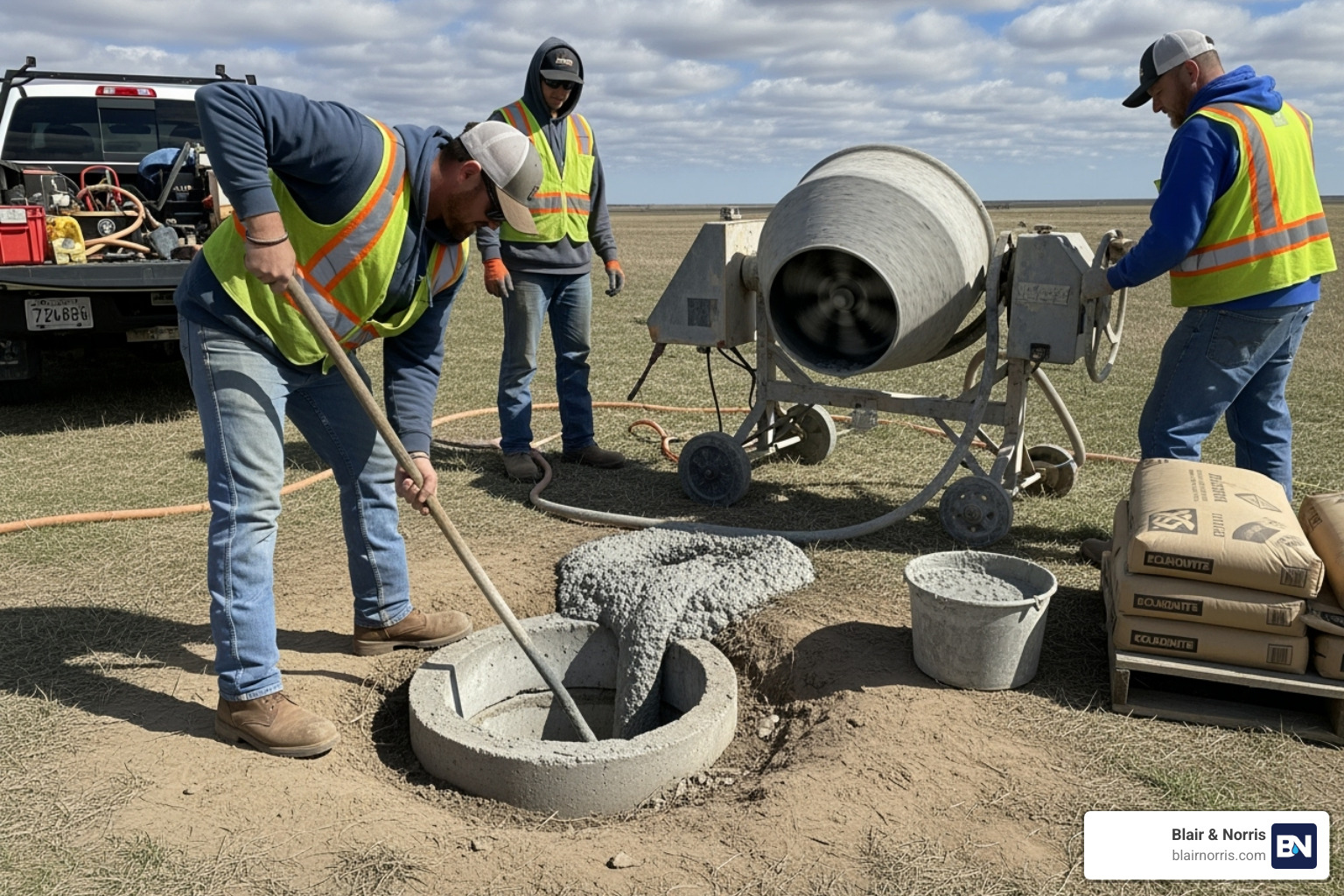
Well protection involves installing the casing and creating a sanitary seal. We grout the space between the casing and borehole wall (the annulus) with bentonite or concrete, forming a contamination barrier against surface pollutants like bacteria and fertilizer runoff.
Next, we install a gravel pack around the well screen. This specially sized gravel acts as a natural filter, improving water flow while keeping sand and fine particles out of your pump.
Well development clears out silt, clay, and sand stirred up during drilling. We use techniques like surge pumping to flush out these fines, essentially cleaning the well before use.
The final steps are yield verification and testing. We run a pump test for 24-48 hours to measure your well’s specific capacity (gallons per minute per foot of drawdown). Most homes need more than the 2-4 gallons per minute that might work for a hand pump.
Water quality panels are essential. We test samples for bacteria, nitrates, iron, and hardness to ensure the water is safe. Many counties require these tests before approving a well for residential use.
These steps ensure your investment pays off for generations. You can dive deeper into this process in our guide: 7 Steps That Need to Happen for Well Drilling.
Service Package #4: Long-Term Maintenance & Emergency Repair
A drilling well project requires ongoing care. Like a car, a well needs regular maintenance to prevent expensive, inconvenient breakdowns and ensure it lasts for decades.
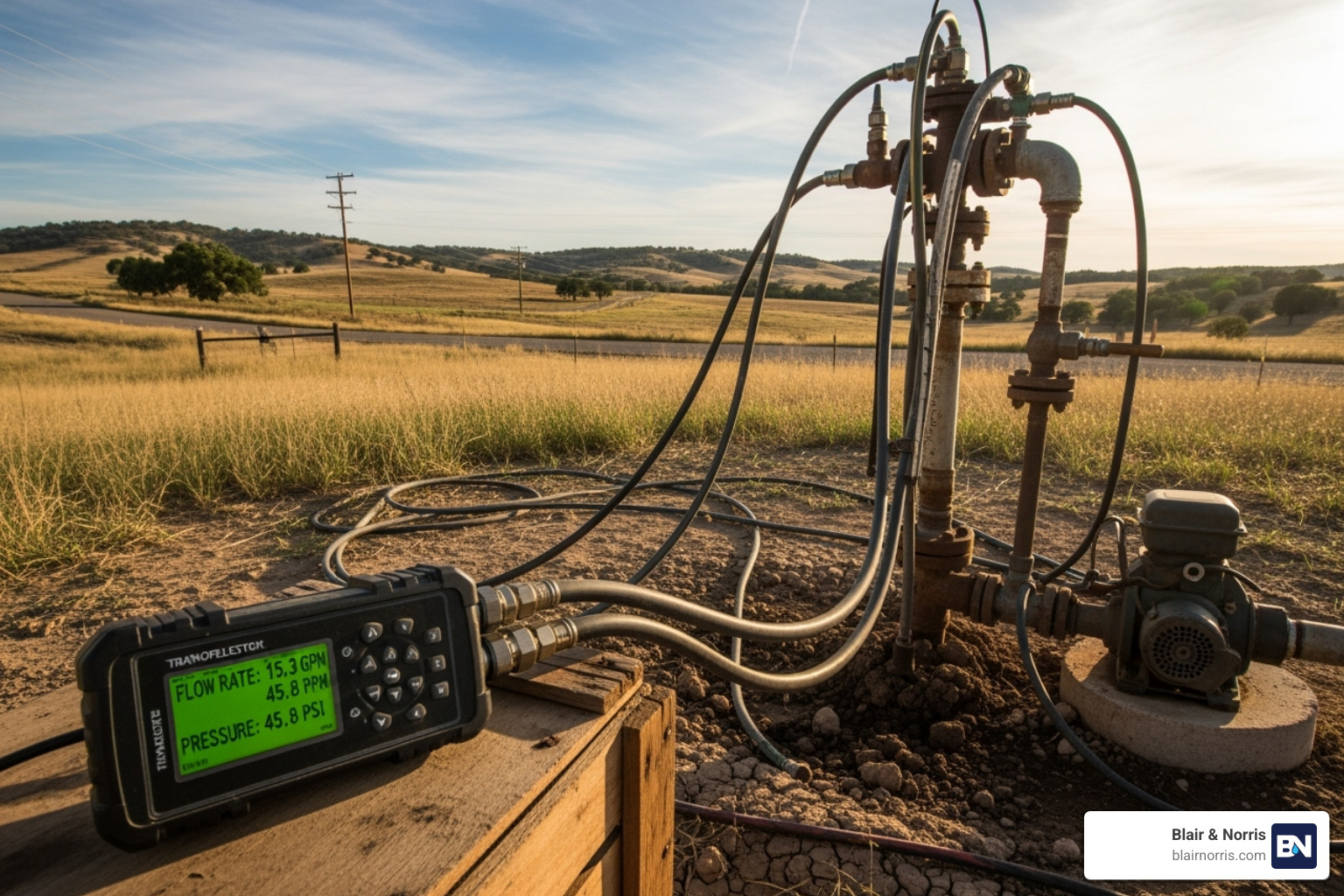
Annual inspections are your first line of defense. We check the wellhead, test pump performance, inspect the pressure tank, and verify water quality. These routine checks catch minor issues before they become major, costly problems.
Sediment control is a common challenge. Gritty water can result from a new well settling or mineral buildup. We address this with solutions like well surging, filtration systems, and centrifugal sand separators. If you’re dealing with cloudy water, our guide on 3 FREQUENT CAUSES OF SEDIMENT IN WELL WATER explains the causes.
When it’s time for a pump replacement (typically every 8-15 years), we handle the entire process, from diagnosis to installation, ensuring your water keeps flowing.
Central Indiana wells can have common water quality issues like iron staining or mineral hardness. A simple home test: if your well water produces fewer suds with dish soap than rainwater, you likely have iron or hardness issues we can treat.
Water emergencies don’t keep business hours, which is why we offer 24/7 emergency support with live phone support. When you have a water crisis, you’ll reach a real person who can dispatch help. Our preventive maintenance schedules help you avoid these calls by catching problems before they become disasters.
Service Package #5: Responsible Well Abandonment & Upgrades
Properly handling wells at the end of their life is a key drilling well service. Responsible abandonment of old or unneeded wells protects your family, the environment, and local groundwater.
Old well sealing is critical. An abandoned well is a direct conduit for surface contaminants to reach groundwater aquifers, threatening the entire community’s water supply. We take this seriously, carefully filling old wells from bottom to top with bentonite grout or cement to create a permanent, impermeable seal.
Decommissioning permits are required by most local authorities. We handle all permit applications and regulatory compliance to steer you through the bureaucratic process.
Abandonment isn’t always the only choice. Retrofit options can sometimes revitalize an underperforming well. We can assess your existing well and explore upgrades like more efficient pumps, new filtration equipment, or even deepening the well if geology permits.
This comprehensive approach to environmental stewardship manages your water system’s entire lifecycle. It also provides significant liability reduction by eliminating the legal and safety risks of unsealed wells on your property.
Frequently Asked Questions about Drilling Well Services
Here are answers to the most common questions we receive about drilling well projects.
How much does it cost to drill a private water well?
The cost for a drilling well project is typically $15 to $30 per foot, but the final price varies. Key factors include the well’s depth and the site’s geology—drilling through hard rock costs more than soft soil. The chosen drilling method, materials like casing and screens, the pump system, and essential steps like permits, testing, and well development also influence the total cost. We provide detailed, transparent quotes with no hidden fees.
Can I drill my own well legally and safely?
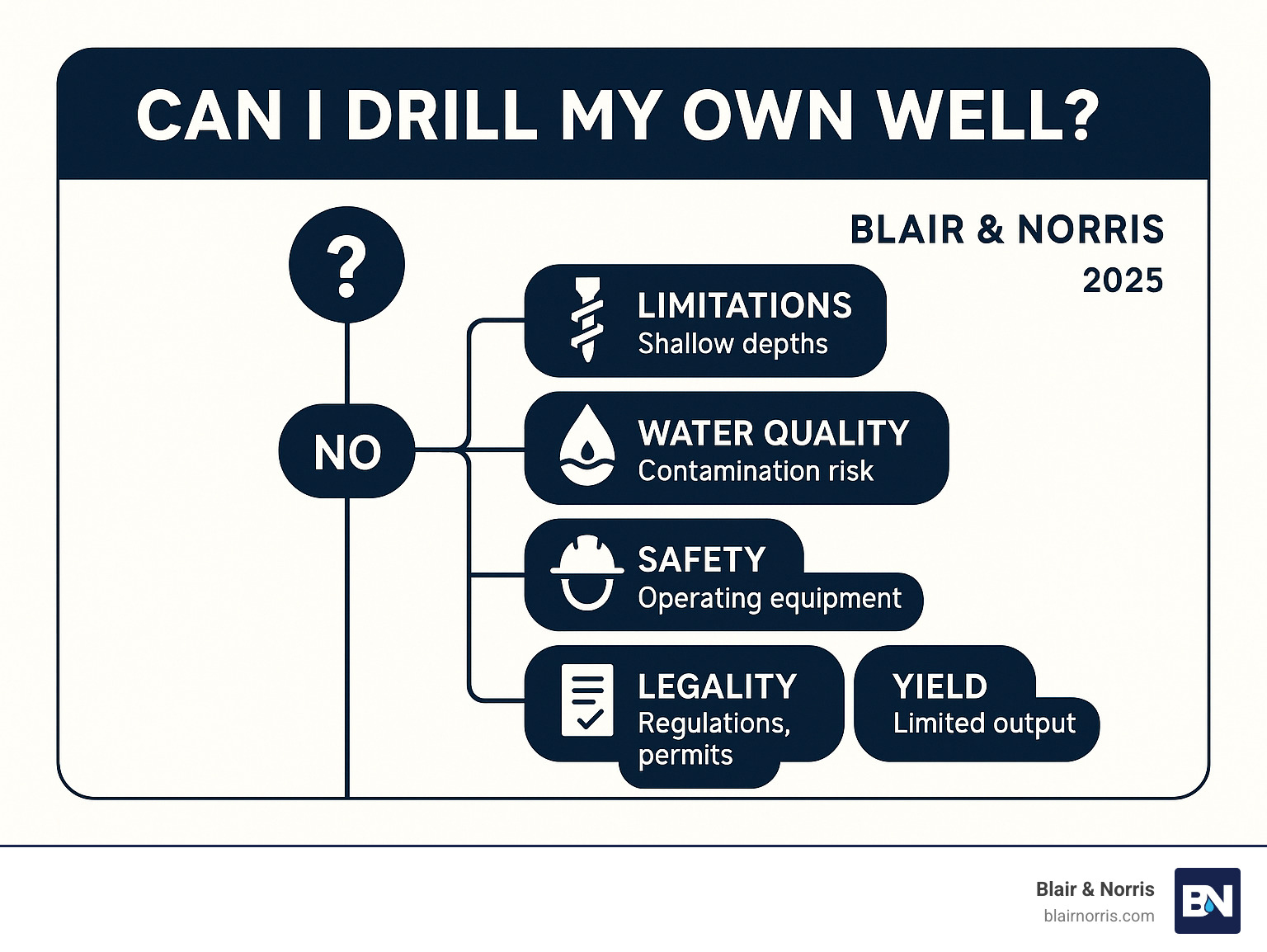
While the DIY spirit is admirable, drilling well projects for drinking water should be handled by professionals for several reasons. DIY methods typically result in shallow wells that are highly vulnerable to contamination from surface runoff or septic systems. Operating drilling equipment is a significant safety risk without proper training. Furthermore, most Indiana counties have legal requirements for permits and licensed drillers to protect public health and groundwater. Finally, DIY wells often have a low yield that is insufficient for modern household needs. Professional services ensure a safe, legal, and reliable water source.
What permits are required before drilling starts?
Permit requirements vary by location, but we handle all the paperwork. Typically, you need local permits from the county health or planning department, which dictate well location, construction, and testing. State permits from the Indiana Department of Natural Resources may be required for larger wells or in specific areas. Critically, Indiana law requires a licensed driller for the work. A licensed professional understands all regulations and carries the necessary insurance. As an experienced drilling well company, we manage the entire permit process to ensure your project is legal, compliant, and on schedule, avoiding potential fines or delays.
Conclusion
For 75 years, Blair & Norris has understood that drilling well projects provide more than water; they offer lasting independence and peace of mind. Our family ownership, spanning generations, has grown our company from a one-truck operation into a trusted, full-service partner for our Central Indiana neighbors. We handle everything from site assessment to long-term maintenance.
Choosing a private well is a smart investment in eco-friendly water independence. Wells are often more energy-efficient than municipal systems and provide the satisfaction of sourcing water from your own land.
As your one-stop pump & septic partner, we handle all your water system needs. Whether you need a new well, pump service, or emergency repairs, our 24/7 live phone support means you’re never alone when a problem arises. Our reputation for ethical, high-quality service ensures the job is done right the first time.
The next steps are simple. Call us to discuss your needs, and we’ll walk you through the entire process. To better understand how the components fit together, see our guide: well water system diagram – 22 key components explained.
Your journey to water independence starts with a single phone call. Let’s make it happen together.