
What is Horizontal Directional Drilling?
What is horizontal directional drilling? It is a trenchless method of installing underground pipelines, cables, and utility conduits by steering a drill along a curved underground path — without digging an open trench. While the concept sounds simple, the implications for modern infrastructure are profound.
The Core Problem: The Impact of Surface Disruption
Before the widespread adoption of HDD, installing underground utilities was a destructive, high-impact process. Traditional “open-cut” excavation requires digging a continuous trench from point A to point B. In a rural field, this is merely an eyesore; however, in the developed landscapes of Central Indiana, the implications are far more severe.
When you dig a trench through a paved driveway, a manicured lawn, or a public roadway, you’re not just installing a line—you’re also dealing with the disruption that follows. For homeowners in Carmel or Fishers, a new water line can require extensive landscaping restoration, re-grading, and driveway repairs. For municipalities, it means traffic detours, business interruptions, and long-term damage to road integrity.
| Feature | Details |
|---|---|
| What it is | A steerable, surface-launched drilling technique for underground utility installation |
| How it works | Drill a pilot hole, enlarge it with a reamer, then pull the pipe through |
| Main uses | Water lines, gas pipes, fiber cables, sewer conduits |
| Key benefit | No surface disruption — roads, yards, and landscaping stay intact |
| Typical length | 300–500 ft is common; up to 10,000 ft has been completed |
| Pipe sizes | Commonly 24–48 inches in diameter; some up to 60 inches |
Today, a drill rig can install a water line under a road, a river, or your front lawn — and you’d barely know it was there. This “trenchless” approach is the silent hero of modern utility management.
I’m Mack Blair, and with over 30 years of hands-on experience in well drilling and underground utility installation right here in the Midwest, I’ve seen how understanding what is horizontal directional drilling can save homeowners time, money, and a whole lot of headaches. At Blair & Norris, we use industry-leading equipment — including Mud Puppy mud recycling systems — to keep every HDD project clean, precise, and built to last. If you’re planning a utility upgrade, contact our team to review your site conditions and recommend the right approach.

Defining What is Horizontal Directional Drilling for Modern Infrastructure
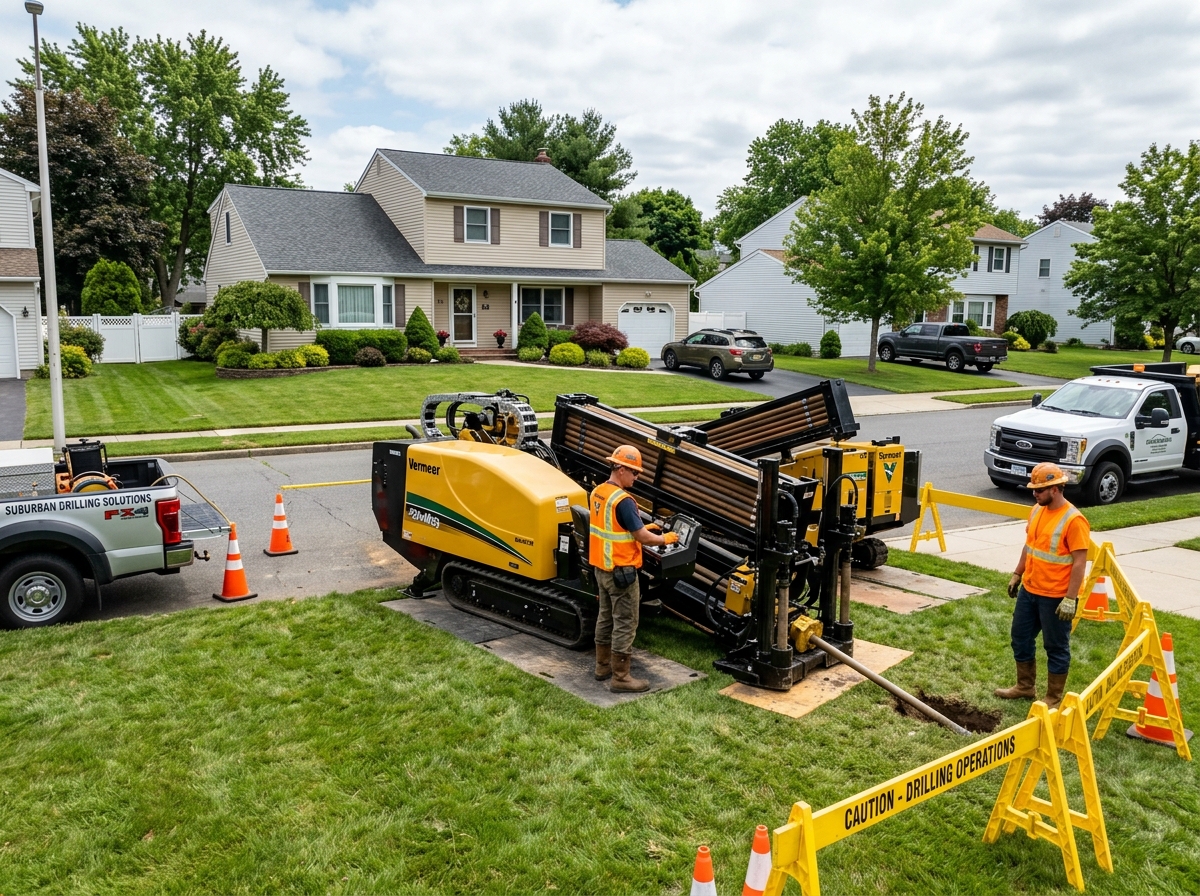
At its core, HDD is an advanced construction technique that allows us to place infrastructure precisely where it needs to go without disturbing the surface environment. Unlike traditional vertical drilling used for water wells, HDD launches from the surface at a shallow angle and follows a predetermined, steerable path.
This flexibility is vital when navigating the complex underground environment of Central Indiana. Whether we are connecting a new home to a municipal water main or drilling wells for a residential property, HDD provides a level of precision that traditional methods simply cannot match. We can steer around existing utilities, navigate under protected wetlands, and even cross beneath busy Indiana highways without stopping traffic. This is particularly important when working near sensitive areas governed by the Indiana Department of Natural Resources water regulations, where preserving the natural soil structure and preventing erosion is a top priority.
Technical Components: What is Horizontal Directional Drilling Tooling?
To understand how we guide a drill bit through hundreds of feet of Indiana soil with inch-perfect accuracy, you have to look at the specialized tooling involved. It’s not just a spinning bit; it’s a sophisticated system of electronics and mechanical engineering.
- The Drill String: A series of high-strength steel pipes that transmit both torque (rotation) and thrust (pushing power) from the rig to the drill head.
- The Transmitter Sonde: This is the “brain” of the operation. Located inside the drill head, this electronic beacon sends real-time data to a locator on the surface, telling us exactly how deep the bit is, what direction it’s facing, and its “pitch” or angle.
- The Steering Head (Bent Sub): The drill head is often designed with an asymmetrical face or a slight bend. When we want to go straight, we rotate the drill string continuously. When we need to steer, we stop rotating, point the “bend” in the desired direction, and simply push.
- Drilling Fluid: Often called “mud,” this mixture of water and bentonite clay is pumped down the drill string to cool the bit and carry soil cuttings back to the surface.
Understanding these components is part of the 7 steps for successful well drilling and utility installation. Without the right tech, you’re just poking holes in the dark.
The Three-Stage HDD Process: From Pilot to Pullback
We don’t just jump in and start pulling pipe. A successful HDD project in Central Indiana follows a very specific, three-stage rhythm. This ensures the hole is stable, the path is clear, and the pipe isn’t damaged during installation. When homeowners ask what is horizontal directional drilling, the answer includes a process designed to protect soil structure and groundwater.
HDD vs. Traditional Trenching: A Comparison
| Feature | Horizontal Directional Drilling | Traditional Trenching |
|---|---|---|
| Surface Disruption | Minimal (entry/exit pits only) | Extensive (full-length ditch) |
| Traffic Impact | Little to none | Often requires road closures |
| Speed | Faster for long or deep runs | Faster for very shallow, short runs |
| Restoration Costs | Very low | High (re-paving, re-sodding) |
| Environmental Impact | Low (protects roots and soil) | High (disturbs topsoil/habitats) |
Stage 1: The Pilot Hole
The first stage is the most critical: drilling the pilot hole. We launch the drill from the surface at a specific entry point and follow a carefully planned bore path. This path is designed to avoid existing gas lines, sewer pipes, and electrical conduits.
In Indiana, safety is our first priority. Before we ever break ground, we follow the Indiana 811 “Call Before You Dig” requirements to ensure all underground utilities are marked. Once we start drilling, our locator follows the drill head on the surface, monitoring the sonde’s signal to make sure we are staying on track. If we encounter a hard rock shelf or an unexpected obstacle, we can adjust the path in real-time. This stage requires immense skill, as the operator must account for soil density and potential “drift” caused by the varying geology of the Midwest.
Stage 2: Pre-Reaming
Once the pilot bit emerges at the exit point, we don’t just pull the pipe through. The pilot hole is usually only a few inches wide—far too small for most utility pipes. In Stage 2, we replace the drill bit with a “reamer.” This tool is pulled back through the pilot hole, enlarging it as it goes.
A general rule of thumb in the industry is the 1.5x diameter rule: the final borehole should be roughly 1.5 times the size of the pipe being installed. This extra space allows for the flow of drilling fluid and reduces the friction on the pipe. During this stage, soil conditioning is vital. We use our drilling fluid to stabilize the walls of the hole, creating a “filter cake” that prevents the tunnel from collapsing. This is a key part of what to know about residential drilling in Indianapolis, as our local clay and glacial till can be tricky to manage without the right fluid mixture.
Stage 3: Pipe Pullback
The final act is the pullback. We attach the product pipe (usually High-Density Polyethylene or HDPE) to the reamer using a swivel assembly. The swivel is essential because it allows the reamer to spin without twisting the pipe itself. This prevents torsional stress that could weaken or crack the new utility line.
As the rig pulls the pipe back toward the entry point, the drilling fluid acts as a lubricant, allowing the pipe to slide smoothly through the earth. Once the pipe reaches the entry pit, the installation is essentially complete. All that’s left is to connect the ends and restore the small entry and exit areas. If you want to compare approaches for underground work on your property, see our guide to trenchless water line replacement. Ready to start your project? Schedule your service today with Blair & Norris.
Essential Equipment and the Role of the Mud Puppy
You can’t have a conversation about what is horizontal directional drilling without talking about the “mud.” Drilling fluid is the lifeblood of the operation. It’s typically composed of about 95% water and 5% bentonite clay, but that 5% does a lot of heavy lifting. It cools the drill bit, suspends and carries away soil cuttings, and provides the hydrostatic pressure needed to keep the borehole from caving in.
Clean Drilling with Mud Puppy Technology
At Blair & Norris, we pride ourselves on being a “clean” drilling operation. One of the ways we achieve this is by using Mud Puppy mud recycling and cleaning systems. In a standard drilling setup, the “used” mud—full of dirt, sand, and rocks—is often pumped into a pit or hauled away in a vacuum truck. This is wasteful and can be environmentally taxing.
The Mud Puppy changes the game by:
- Recycling the Fluid: It takes the dirty mud, filters out the solids (dirt and sand), and pumps the clean fluid back down the hole.
- Reducing Waste: Because we are reusing the same fluid, we use significantly less water and bentonite, which is better for the Indiana environment.
- Keeping the Job Site Clean: By containing the fluid in a closed-loop system, we prevent messy spills on your lawn or driveway. No more “mud pits” in your front yard.
- Improving Efficiency: Clean mud means less wear and tear on our pumps and drill bits, which helps us get the job done faster and more accurately.
For a homeowner in Noblesville or Westfield, this means a much tidier work area and the peace of mind that we aren’t wasting resources on your property. This commitment to technology is why we are known as Your Local Central Indiana Provider for high-end trenchless solutions.
Guidance and Locating Systems
Precision is what separates a professional HDD crew from a disaster. We use three main types of locating systems depending on the project’s complexity:
- Walk-over Tracking: The most common for residential jobs. An operator walks above the drill path with a handheld receiver, “chasing” the signal from the sonde in the drill head.
- Wire-line Magnetics: Used for deeper or longer bores where a wireless signal can’t reach the surface reliably.
- Gyro-based Systems: The gold standard for massive projects (like going under a river). These don’t rely on magnetic signals and can traverse miles with less than a meter of error.
When you’re looking for the 11 traits of the best drilling companies, technological investment is high on the list. You want a team that knows exactly where that bit is at every second. Contact us today to see our precision equipment in action.
Navigating Risks and DIY Pitfalls in Central Indiana
I’ll be honest with you: as much as I love HDD, it isn’t a DIY project. I’ve seen some “handy” folks try to rent a small boring machine to run a line to their barn, only to end up with a flooded basement or a very angry call from the utility company. Central Indiana soil is a mix of heavy clay, sand pockets, and the occasional “Indiana potato” (large glacial boulders). These conditions can cause the drill to deflect or get stuck, leading to catastrophic failures for the untrained operator.
The Dangers of Unprofessional Excavation
The risks of an unprofessional job are real and serious:
- Utility Strikes: Even with 811 markings, an inexperienced operator can “cross-bore” through a sewer or gas line. A gas strike is a life-threatening emergency; a sewer strike can lead to years of backups before it’s discovered.
- Frac-outs (Inadvertent Returns): If the drilling fluid pressure is too high for the soil type, the mud can burst through the surface in an unplanned location—like your neighbor’s pool or the middle of the street. This requires professional cleanup and can trigger regulatory reporting and corrective action.
- Soil Subsidence: If the hole isn’t properly stabilized with the right mud mixture, the ground above it can sink over time, leading to cracked driveways or foundation issues. This is why professional mud management with systems like the Mud Puppy is so critical.
If you find yourself in a situation where a DIY attempt or a cut-rate contractor has caused a mess, we offer emergency well and pump services to help get things back under control. But it’s always better to do it right the first time. Don’t risk your property’s integrity on a “rental-grade” solution.
Choosing Your Local Central Indiana Provider
When you’re looking for someone to handle your underground infrastructure, experience matters. Blair & Norris isn’t just a name on a truck; we are a family-owned business with a 75-year legacy of serving our neighbors. We live and work in the same communities you do—from the busy streets of Indianapolis and Greenwood to the quiet acreage in Monrovia and Spencer.
Our reputation is built on ethical, high-quality service and a commitment to doing the job right. Our clients consistently rate us 5 stars on Google Reviews for our transparency, technical skill, and the cleanliness of our job sites. We provide 24/7 live phone support because we know that well and water issues don’t always happen during business hours. Whether you are in Hamilton County, Hendricks County, or down in Monroe County, we are Your Local Central Indiana Provider.
Service Options: Comparing Trenching and Trenchless Methods
When you’re planning an underground installation, we like to offer a range of solutions to fit the site conditions, utility type, and access constraints on your property:
- Good (Traditional Trenching): Best for very short, shallow runs in open areas where there are no utilities, trees, or structures in the way. It’s straightforward but requires significant surface restoration (re-seeding, grading).
- Better (Standard Directional Boring): Uses a standard HDD rig for utility installation. It saves your landscaping but might involve more fluid waste and less precise steering in difficult Indiana soils.
- Best (Precision HDD with Mud Puppy Recycling): This is our signature approach. We use high-precision guidance systems and our Mud Puppy recycling units. This ensures the most accurate path, the cleanest job site, and the most environmentally friendly installation possible. It’s the “white glove” service of the drilling world, ensuring your property looks exactly as it did before we arrived.
If you’re ready to upgrade your utilities without destroying your property, contact our expert team for an estimate. We’ll walk you through the process and show you why trenchless technology is the right choice for your home.
Frequently Asked Questions about HDD
How long does a typical HDD project take?
For most residential water line or utility installations, the process—from setup to pullback—can often be completed in a single day. Larger projects, like crossing a major waterway or installing hundreds of feet of large-diameter pipe, can take several days to a few weeks. Because we use efficient recycling systems, we minimize downtime associated with fluid management.
When is horizontal directional drilling the better choice than trenching?
Initially, the “per foot” cost of drilling can be higher than simple trenching because of the advanced equipment and specialized labor. In many finished landscapes, HDD can be the lower-disruption choice because it minimizes restoration work after installation. Many homeowners choose HDD because it protects landscaping, access, and daily routines during the project.
What soil conditions are best for directional boring?
HDD works beautifully in clays, silts, and sands. These soils are easy to steer through and respond well to drilling fluids. Very rocky soil or ground with heavy cobbles and boulders can be more challenging and requires specialized “rock heads,” but with the right equipment and local knowledge of Indiana’s glacial till, we can navigate almost anything.
Conclusion
Understanding what is horizontal directional drilling is the first step toward a smarter, cleaner home improvement project. By choosing a trenchless path, you are protecting your property value, preserving your landscaping, and ensuring your new infrastructure is installed with modern precision.
At Blair & Norris, we combine 75 years of traditional family values with the latest technology, like our Mud Puppy recycling systems, to provide the best possible service to our Central Indiana neighbors. Our 5-star Google Reviews reflect our commitment to excellence and our status as Your Local Central Indiana Provider. Don’t settle for a giant trench through your life. Choose the experts who know how to address the problem.
Ready to get started? Schedule your service today and let us show you the power of precision drilling. Whether you’re in Avon, Brownsburg, or Bloomington, we’re ready to help you get the job done right. Contact Blair Norris for an estimate and experience the difference in professional, trenchless utility installation.