
Why Spring Well Services for Indiana Homeowners Can’t Wait
Spring well services for Indiana homeowners are one of the most important — and most overlooked — steps in keeping your water supply safe and reliable all year long. As the winter frost recedes and the Hoosier state transitions into the rainy season, the structural integrity of your well system is put to the ultimate test. This isn’t just about convenience; it’s about the fundamental safety of the water your family consumes every day.
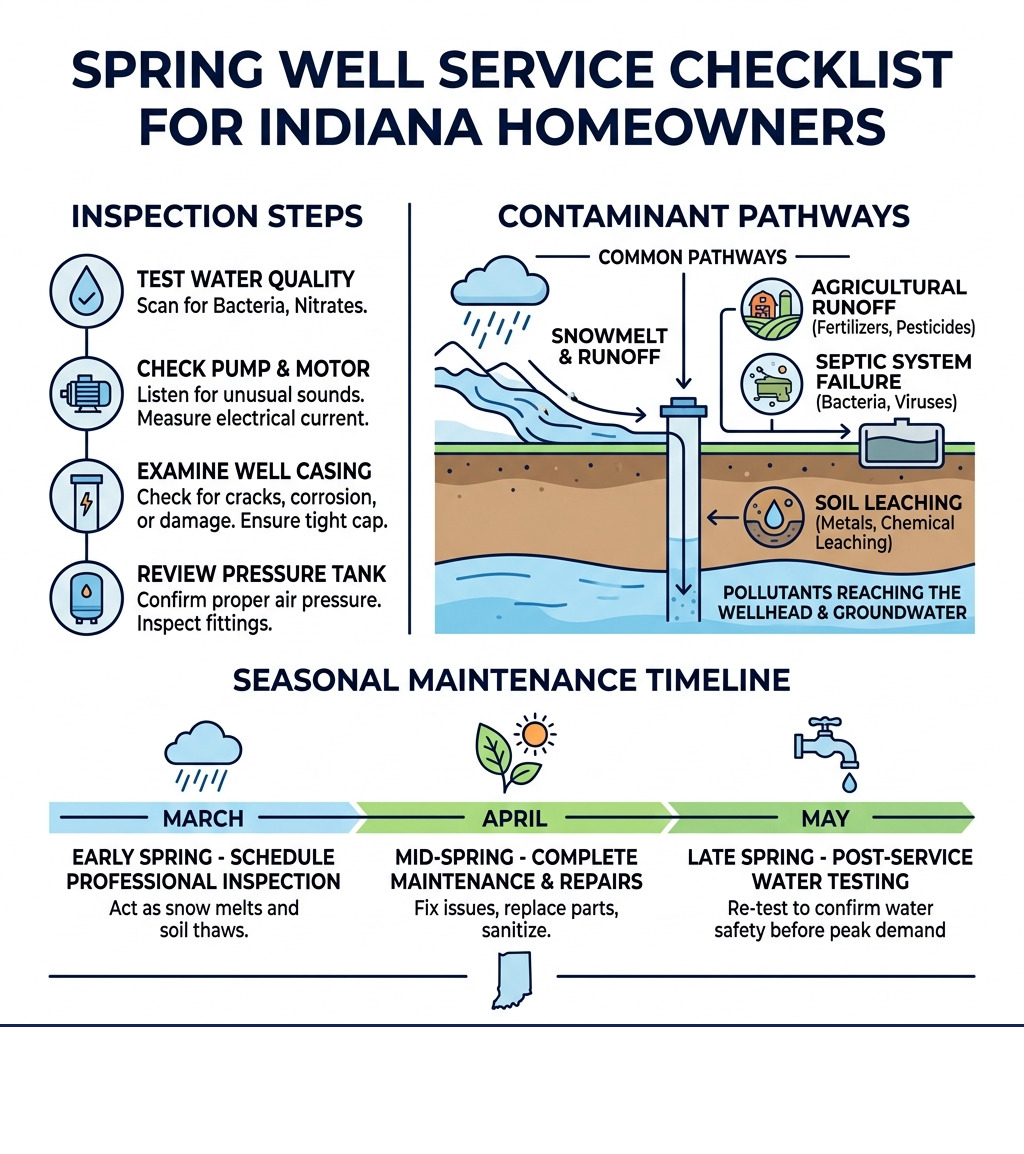
Here’s a quick snapshot of what’s covered and why it matters:
- What it is: A professional inspection, cleaning, and safety check of your well system after winter.
- When to do it: March through May, before summer demand peaks and irrigation systems begin to strain the pump.
- Who needs it: Any Indiana homeowner relying on a private well for drinking water, particularly those in rural or agricultural areas.
- Why it matters: Spring snowmelt and heavy runoff can push bacteria, nitrates, and other surface contaminants toward your wellhead.
- What happens if you skip it: Increased pump wear, higher contamination risk, and avoidable system failures during peak summer demand.
Every spring, Indiana’s freeze-thaw cycle ends — and the ground starts releasing months of built-up snowmelt and rainwater. That water doesn’t just flow into the Wabash or the White River. It seeps into the soil, recharges aquifers, and in some cases, finds its way toward your well casing. For the nearly 40,000 households across Elkhart and St. Joseph Counties alone that rely on private wells, that seasonal shift isn’t just a calendar change — it’s a risk window that opens every single year. The pressure exerted by expanding and contracting soil can shift well caps or even crack older casings, creating a direct pathway for pathogens.
One homeowner in Hamilton County ignored early warning signs for months, and a minor fix escalated into a full pump failure during peak demand. After ignoring a sputtering faucet for three months, what could have been a simple $150 pressure switch fix turned into a burnt-out motor and a repair bill topping $2,000. That’s the difference between catching a problem early and paying for it later.
I’m Mack Blair, and with over 30 years of hands-on experience providing spring well services for Indiana homes and businesses from my base in Indianapolis, I’ve seen what deferred maintenance costs families — and how straightforward it is to prevent. Let’s walk through exactly what you need to know to protect your well this spring.
Why Spring Well Services for Indiana Matter Each Year
As we move into April 2026, the unique climate of Central Indiana is putting our local water systems to the test. After a winter of freezing temperatures that cause pipes to contract and well caps to potentially shift, the spring thaw brings a massive influx of water. This “spring runoff” is a double-edged sword: it recharges our vital aquifers, but it also carries surface contaminants like fertilizers, pesticides, and bacteria directly toward your well head. In 2026, we are seeing increased precipitation levels that make the “aquifer recharge” phase more aggressive than in previous decades.
The EPA and CDC advise private well owners to test at least annually, and spring is a smart time to confirm both water quality and mechanical condition after winter. In Indiana, scheduling this in the spring is non-negotiable. Why? Because nearly 40,000 households in areas like St. Joseph County rely on private wells, and the spring surge is when these systems are most vulnerable to contamination. When the ground is saturated, the natural filtration process of the soil is bypassed, allowing surface water to “short-circuit” into the well if the sanitary seal is compromised.
When you invest in The Importance Of Water Well Maintenance, you aren’t just checking a box; you are ensuring that the snowmelt and heavy rains don’t introduce coliform bacteria or nitrates into your family’s drinking water. Furthermore, professional pump maintenance guidelines suggest that catching a worn-out $150 pressure switch in April can prevent a $2,400 pump replacement in July when the weather is sweltering and you need water the most. A failing switch causes the pump to cycle too frequently, which generates heat and eventually melts the internal windings of the motor.
Identifying Signs You Need Spring Well Services for Indiana
How do you know if your well is struggling after the winter? Your system will usually try to tell you something is wrong before it quits entirely. Keep an ear out for “air burps” or sputtering faucets, which often indicate a leak in the drop pipe or a failing pump. These symptoms are often exacerbated by the heavy demand of spring cleaning and early-season gardening.
Other red flags include:
- Cloudy or “Tea-Colored” Water: This often happens after heavy spring rains if your well cap is cracked or the casing is compromised, allowing surface runoff to enter. This is a sign of “turbidity,” which can harbor bacteria.
- Fluctuating Pressure: If your shower pressure drops significantly when the dishwasher starts, your pump may be failing to keep up with demand or your pressure tank may be waterlogged.
- High electric use: a short-cycling pump can run far more often than normal, signaling a pressure tank or switch issue.
- Sediment Buildup: If you see “sand” in the bottom of your glasses or clogging your faucet aerators, it’s time to call for Well Pump Service In My Area to prevent the grit from grinding down your pump’s internal components. Sand is highly abrasive and can destroy a pump’s impellers in a matter of weeks.
The High Cost of DIY: Why Professional Expertise Matters
We understand the “Hoosier” spirit of independence. Many homeowners in Carmel, Fishers, and Noblesville pride themselves on fixing things around the house. However, well systems are complex, high-voltage electrical environments that interface with your primary food and health source: your water. Attempting to service a well without the proper training can lead to physical injury, property damage, and long-term health risks for your family.
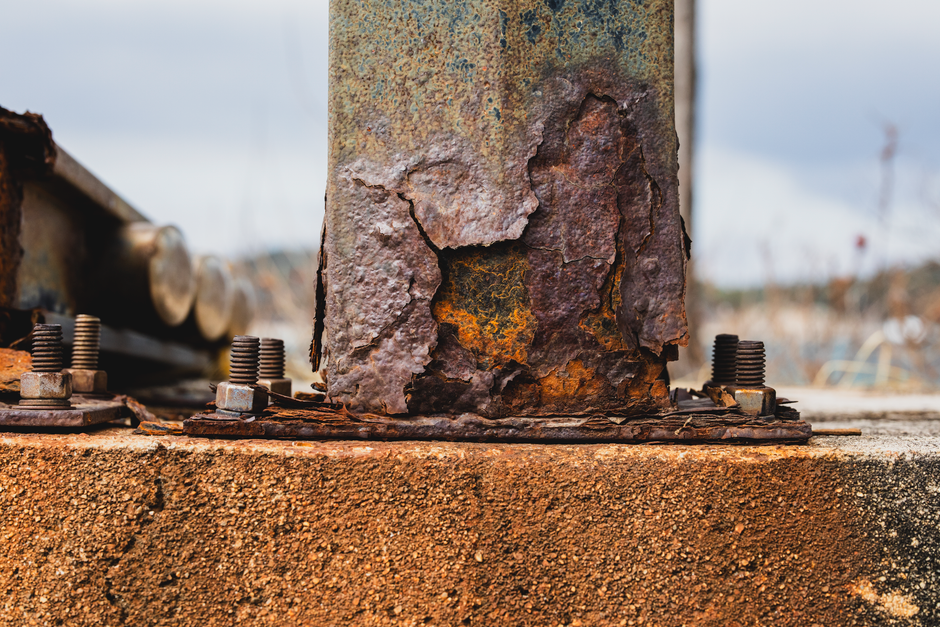
The risks of DIY well repair are significant. First, there is the electrical hazard. Submersible pumps operate on 230 volts, often in wet conditions. One wrong move with a multimeter or a loose wire can be fatal. Second, there is the risk of cross-contamination. If you pull a pump and lay it on the grass, you can introduce bacteria into the well that requires professional-grade shock chlorination to remove. Even the oil from your hands can contaminate the internal components of the system.
From a financial perspective, DIY often backfires. A full submersible pump replacement is a major repair, and mistakes during DIY work can create additional damage that requires specialized recovery and inspection. Our Indianapolis Well Pump Service uses specialized tools—like electronic “fishing” tools for lost pumps and high-resolution cameras—to see exactly what is happening hundreds of feet underground. These cameras allow us to identify cracks in the casing or root intrusions that would be impossible to see from the surface. Following Industry standards for well drilling ensures that your structural integrity remains intact and your manufacturer warranties stay valid. Most pump manufacturers will void a warranty if the unit was not installed by a licensed professional.
What to Look for in a Central Indiana Well Service Provider
When choosing a partner for your spring well services for Indiana, you want more than just a guy with a truck. You need a company that understands the specific geology of Central Indiana—from the sandy aquifers of the north to the limestone layers in the south. Each geological formation requires a different approach to maintenance and drilling to ensure the longevity of the well.
At Blair & Norris, we differentiate ourselves through our commitment to advanced technology and ethical service. We utilize the Mud Puppy system for our drilling and rehabilitation projects. The Mud Puppy is a state-of-the-art mud recycling unit that allows for clean, efficient drilling by removing sand and solids from the drilling fluid. This means a cleaner job site for you and a more productive well because the “mud” isn’t clogging the water-bearing formations. By using Mud Puppy technology, we ensure that the drilling process is environmentally responsible and that the well is developed to its maximum potential yield.
When vetting a provider, look for these hallmarks:
- 75-Year Reputation: We have been family-owned and operated for over seven decades, building trust through honest, high-quality work. We have records of wells we drilled in the 1950s that are still producing today.
- 24/7 Live Support: When your water stops at 2:00 AM on a Sunday, you don’t want a voicemail. We offer 24 7 Well Service with real people answering the phones, ready to dispatch a technician.
- Google Reviews: Look for consistent feedback on emergency response, workmanship, communication, and follow-through.
- Licensed Technicians: Ensure the crew is state-licensed and bonded, following strict emergency inspection protocols to keep your water safe. In Indiana, well drillers and pump installers must maintain specific continuing education credits to keep their licenses active.
Good, Better, Best: Choosing Your Maintenance Level
Every home has different needs and budgets. To help our neighbors in Westfield, Zionsville, and Brownsburg, we look at maintenance through a tiered lens. This allows you to choose the level of protection that fits your family’s requirements and the age of your system. A well that is 30 years old requires a much more rigorous inspection than one installed last year.
| Service Level | Features Included | Best For |
|---|---|---|
| Good (Basic) | 6-Point Inspection, Pressure Tank Check, Visual Well Head Audit | Newer systems or tight budgets where basic safety is the priority. |
| Better (Advanced) | Everything in Basic + Flow Testing, Water Quality Bacteria Test, Amp Draw Analysis | Homes with older pumps or families with infants and elderly residents. |
| Best (Premium) | Everything in Advanced + Full System Sanitization, Constant Pressure Tune-up, Lifetime Pump Warranty Upgrade | Maximum reliability and “city-like” water pressure for large households. |
Implementing Essential Well Water Maintenance For Safe Drinking Water through these tiers ensures that you aren’t just reacting to failures. Preventive maintenance reduces unexpected failures by catching issues like waterlogged tanks, failing switches, or deteriorating seals early. For those who want the ultimate in modern comfort, we often recommend “constant pressure” systems. These systems use variable speed controllers to ensure your shower pressure stays the same even if the laundry and irrigation are running simultaneously, mimicking the experience of a municipal water supply.
How Professional Spring Well Services for Indiana Protect Your Family
The most important reason to schedule your spring service is safety. While your water might look and taste fine, many of the most dangerous contaminants are invisible, odorless, and tasteless. Professional spring well services for Indiana include comprehensive water testing that goes beyond the basics.
- Nitrate Testing: Especially important in rural Indiana areas near farms, as spring fertilizer runoff can lead to high nitrate levels. High nitrates are particularly dangerous for infants, as they can interfere with the blood’s ability to carry oxygen (Blue Baby Syndrome).
- Coliform Bacteria: Heavy rains can wash bacteria into the well through a loose cap or a cracked seal. We perform professional shock chlorination to sanitize the entire system, including the plumbing inside your home.
- Lead and Copper Screening: We check to ensure that the chemistry of your well water isn’t corroding your home’s internal plumbing. If your water is too acidic, it can leach metals from your pipes into your drinking water.
- Well Cap Integrity: We ensure your cap is vermin-proof and watertight. A missing or cracked cap is an open invitation for insects, spiders, or even small rodents to enter your water supply, which can lead to sudden bacterial spikes.
By adhering to Industry standards for well drilling, we ensure that your well’s “sanitary seal” is intact, providing you with long-term reliability and true peace of mind. We also check the grading around the wellhead to ensure that surface water drains away from the casing rather than pooling around it.
Frequently Asked Questions about Indiana Well Maintenance
How often should I test my well water in Indiana?
The U.S. EPA and the Indiana Ground Water Association recommend testing for bacteria and nitrates at least once a year. Spring is the ideal time due to the increased risk of runoff from snowmelt and heavy rains. If you have a change in taste or odor, or if there is a known local contamination issue like a nearby chemical spill, you should test immediately, regardless of the season.
Can heavy spring rains contaminate my well?
Yes. If your well casing is not properly sealed or if the ground has settled around the well head (creating a “pond” effect), contaminated surface water can seep down the side of the casing and enter your aquifer. Professional spring well services for Indiana include checking the “grade” around your well to ensure water flows away from the pipe, not toward it. We also check the pitless adapter, which is a common point of entry for surface water.
How long does a typical well pump last in Indiana?
On average, a high-quality submersible pump lasts between 12 and 15 years. However, factors like water quality (acidity or mineral content) and the frequency of the pump’s cycles can shorten this lifespan. Regular spring maintenance, including checking the pressure tank’s air charge, can extend the life of your pump by reducing unnecessary wear and tear.
Conclusion
Your well is the heart of your Indiana home. It provides the water you drink, the showers your children take, and the lifeblood of your property. Don’t leave its health to chance during the volatile spring season when the environment is most likely to challenge your system’s integrity. A proactive approach today ensures that you won’t be dealing with a water crisis during the hottest days of the year.
At Blair & Norris, we are proud to be Your Local Central Indiana Provider. We bring 75 years of family-owned values and ethical, high-quality service to every job site, whether you’re in Indianapolis, Greenwood, or Greenfield. We believe in doing the job right the first time and treating our customers like family. Our use of advanced technology like the Mud Puppy recycling system reflects our commitment to providing the best possible results for our clients.
Ensure your family has access to Essential Well Water Maintenance For Safe Drinking Water by scheduling your seasonal check-up today. We offer 24/7 live phone support to answer your questions and help you navigate any water emergency, no matter the time of day.
Ready to protect your water supply? Contact Blair & Norris today to request an estimate for your spring well service and experience the peace of mind that comes with professional care. Let us help you keep your water clean, clear, and consistent for years to come.