
Why Every Central Indiana Homeowner Needs Professional Septic Care
Finding a reliable septic tank cleaning service is crucial for protecting your home, family, and property investment. Professional septic cleaning removes accumulated solids, prevents costly system failures, and ensures your wastewater system operates safely for years to come.
Quick Answer for Homeowners:
- Frequency: Every 3-5 years for most households
- Cost: Starting around $186 per 1,000 gallons
- Signs you need service: Slow drains, foul odors, pooling water in yard
- Benefits: Prevents backups, protects groundwater, extends system life
- Emergency services: Available 24/7 from qualified providers
When your septic system fails, it’s not just an inconvenience – it’s a health hazard and expensive emergency. Regular septic tank pumping removes the sludge layer that builds up over time, preventing clogs and backups that can contaminate your yard and groundwater.
The consequences of neglect are serious. As one industry expert notes, “Once a septic tank or drain field is blocked, full excavation and replacement may be needed” – repairs that can cost thousands of dollars. That’s why choosing the right septic tank cleaning service is so important for Central Indiana homeowners.
I’m Mack Blair, and over my 30+ years in the water and septic industry, I’ve seen how proper septic tank cleaning service prevents costly emergencies and protects families. Through Blair & Norris, we’ve helped thousands of homeowners maintain healthy septic systems with reliable, professional care.
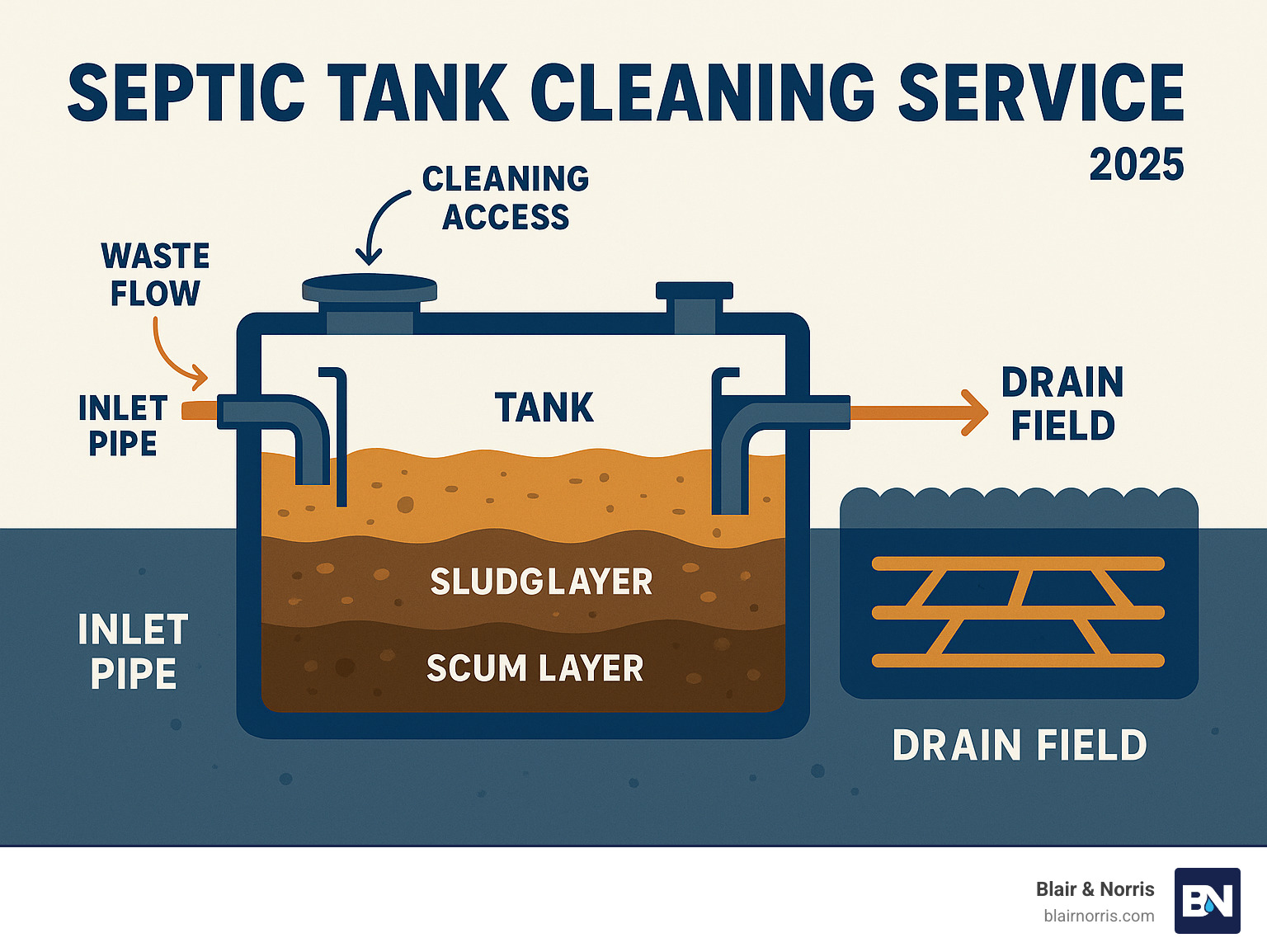
Why Regular Cleaning Matters
Think of your septic system as the quiet guardian of your home’s wastewater. Day after day, it works tirelessly to process everything that goes down your drains. But even the most reliable guardian needs backup – and that’s where professional septic tank cleaning service becomes your system’s best friend.
Here’s how your septic tank actually works: wastewater flows in and naturally separates into three distinct layers. The heaviest solids sink to the bottom, forming what we call sludge build-up. Oils and lighter materials float to the top as scum. The middle layer of liquid effluent flows out to your drain field for final treatment in the soil.
The problem? That bottom sludge layer keeps growing. Every shower, every load of laundry, every flush adds to it. Without regular pumping every 3-5 years, this accumulated waste eventually has nowhere to go but into your drain field – and that’s when expensive problems begin.
Groundwater protection is one of the most critical reasons we recommend staying on top of your pumping schedule. When your septic system backs up or fails, untreated wastewater can seep into the soil and contaminate local water sources. This isn’t just bad for the environment – it’s a serious public health risk for your family and neighbors.
Regular septic tank cleaning service also dramatically extends your system lifespan. Think of it like changing the oil in your car. Skip it too long, and you’ll face a much bigger, more expensive breakdown later. We’ve seen well-maintained septic systems last 20-30 years, while neglected ones fail in half that time.
Clog prevention is another huge benefit. Nobody wants to deal with slow drains throughout their house, or worse – sewage backing up into their basement. Regular pumping keeps everything flowing smoothly, so you can go about your daily life without worrying about unpleasant surprises.
For more detailed tips on keeping your system healthy between pumpings, check out our comprehensive guide to septic maintenance.
Silent Risks of Neglect
The scariest thing about septic problems? They often develop quietly until suddenly becoming a full-blown crisis. Here’s what happens when you put off that septic tank cleaning service:
Back-ups are usually the first sign of trouble. When your tank fills beyond capacity, wastewater has only one place to go – back into your home through toilets, floor drains, and sinks. We’ve gotten emergency calls from homeowners dealing with sewage in their basements, and it’s never a pleasant situation.
Soil contamination develops when your drain field becomes overwhelmed with solids. Raw sewage starts surfacing in your yard, creating foul odors and soggy, smelly patches of grass. Beyond being disgusting, this poses real health risks to anyone who comes into contact with the contaminated soil.
The most painful consequence is costly repairs. Once solids clog your drain field, you’re often looking at complete excavation and replacement. We’ve seen repair bills reach $10,000 or more – money that could have been saved with a simple $200-400 pumping every few years.
The good news? All of these problems are completely preventable with regular professional care. A little prevention now saves you from major headaches (and major expenses) down the road.
Signs It’s Time to Call the Pros
Your septic system is pretty good at letting you know when something’s wrong – you just need to know what to listen for. Think of these warning signs as your system’s way of asking for help before things get really messy.
Slow drains are often the first cry for attention. When your sinks, showers, or bathtubs start draining like molasses, it’s usually because your septic tank is getting full or your drain field is struggling to keep up. Don’t ignore this early warning – it’s much easier to address now than later.
Foul odors are another dead giveaway that your system needs professional attention. A healthy septic system shouldn’t announce its presence with unpleasant smells. If you’re catching whiffs of sewage-like odors indoors from your drains or outdoors around your septic area, those gases are escaping because something’s not working right.
Pooling water or soggy areas in your yard are serious red flags. When you see standing water or unusually lush, green grass near your septic tank or drain field (especially during dry weather), it means effluent is surfacing instead of being properly absorbed underground. This isn’t just unsightly – it’s a health hazard.
Gurgling toilets might sound funny, but they’re actually telling you something important. Those strange sounds when you flush or when water drains from other fixtures mean air is being pushed back through your plumbing. This usually happens when there’s a blockage or your tank is too full.
High nitrate levels in your well water are particularly concerning if you have a private well. Recent water testing that shows liftd nitrates could mean septic effluent is seeping into your groundwater. This is a serious health issue that needs immediate professional attention.
For more detailed information on what these warning signs mean for your system, check out our guide on warning signs of septic system problems.

DIY Checks vs Professional Inspection
While you can’t diagnose everything yourself, there are some simple checks you can do as a homeowner. Regular visual inspections around your septic tank and drain field area can help you spot obvious problems early. Look for those warning signs we just discussed – pooling water, unusual odors, or suspiciously green patches of grass.
Paying attention to your household’s water usage is also smart. Excessive water use can overwhelm even a healthy septic system, especially if it’s due for pumping. Spacing out laundry loads and being mindful of water consumption helps reduce stress on your system.
But here’s where professional septic tank cleaning service really shines. We have tools and expertise that go far beyond what you can see on the surface. Tank level gauges let us accurately measure exactly how much sludge and scum has built up in your tank, so we know precisely when pumping is needed.
Camera scopes are game-changers for diagnosing internal problems. We can send these high-tech cameras deep into your pipes and drain field to spot cracks, root intrusions, or blockages that are completely invisible from above ground. It’s like having X-ray vision for your septic system.
Our detailed component inspections cover everything – the tank itself, baffles, inlet and outlet pipes, and the entire drain field. We’re looking for signs of damage, corrosion, or leaks that could turn into major headaches if left unchecked. This comprehensive approach helps us catch small issues before they become expensive disasters.
For struggling drain fields, we even offer advanced solutions like Terralift technology. This innovative process uses pneumatic probes to inject air into compacted soil, creating channels that improve drainage and can extend your drain field’s life without costly excavation.
While your eyes and nose can tell you when something’s wrong, a professional inspection gives you the complete picture and the right solution to keep your system running smoothly.
Choosing a Septic Tank Cleaning Service: Local Hero Checklist
Finding the right septic tank cleaning service can feel overwhelming, especially when you’re dealing with something as important as your home’s wastewater system. The good news? You don’t have to go it alone. With a little know-how, you can spot the difference between a true professional and someone who’s just along for the ride.
Think of it this way: you wouldn’t trust just anyone to work on your car’s engine, right? Your septic system deserves the same level of respect and expertise. After all, when things go wrong down there, they go really wrong.
Licensing should be your first checkpoint. This isn’t just bureaucratic red tape – it’s your protection. Licensed companies have proven they know what they’re doing and can legally handle your wastewater. If a company can’t show you their license, keep looking.
Insurance comes next on your must-have list. Accidents happen, even to the best technicians. You want to make sure you’re covered if something goes sideways during the service call. A reputable company will gladly show you proof of insurance.
Experience tells a story that no amount of fancy marketing can fake. We’ve been serving Central Indiana families for over 75 years, and that longevity means we’ve seen every possible septic scenario. Companies with decades under their belt have the wisdom to handle whatever your system throws at them.
Transparent pricing separates the pros from the pretenders. A quality septic tank cleaning service will give you clear, upfront costs with no surprise fees lurking in the fine print. If someone won’t give you a straight answer about pricing, that’s a red flag waving in the breeze.
Eco-friendly disposal might not be the first thing on your mind, but it should be. Your pumped waste needs to go somewhere safe and legal. Professional services transport it to licensed treatment facilities, not some sketchy back lot. This attention to proper disposal, as highlighted in scientific research on holding-tank best practices, ensures your waste is handled responsibly.
Finally, reputation speaks volumes. Check what other homeowners are saying. We’ve built our reputation by treating every customer like family – a value that’s guided us through three generations of service.
Certified & Licensed Septic Tank Cleaning Service
When you see those licenses and certifications, you’re looking at more than just wall decorations. They represent state permits that prove the company operates legally and follows all local wastewater regulations. No shortcuts, no corner-cutting.
Background-checked staff might seem like overkill, but think about it – these folks are coming onto your property and into your home. We make sure our technicians have clean backgrounds because your peace of mind matters to us.
Equipment standards make all the difference between a job done right and a job done twice. Licensed professionals use specialized vacuum trucks and mechanical drain equipment with the right attachments to get your tank thoroughly clean. It’s the difference between professional-grade tools and whatever someone borrowed from their buddy.
24/7 Emergency Septic Tank Cleaning Service Expertise
Septic disasters don’t wait for business hours. Trust me, we’ve gotten calls at 2 AM on Christmas Eve from frantic homeowners dealing with backups. That’s why after-hours response isn’t just a nice-to-have – it’s essential.
At Blair & Norris, our live phone support means you’ll always reach a real person, not a voicemail system. When you’re dealing with sewage in your basement, the last thing you want is to leave a message and hope someone calls back.
Holiday availability sets true professionals apart from the rest. We’re here 365 days a year because septic emergencies don’t take holidays. Whether it’s Thanksgiving dinner or New Year’s Eve, we’ll be there to help get your system back on track.

Pricing, Process & What to Expect from a Septic Tank Cleaning Service
When you’re ready to schedule your septic tank cleaning service, understanding the process and costs helps you feel confident about what’s ahead. Think of it like preparing for any home service – the more you know, the smoother everything goes.
Typical Cost Breakdown
The investment in professional septic tank cleaning service varies based on several practical factors. Your tank size, location, and any additional services all play a role in the final cost. In Central Indiana, we’ve found that most homeowners appreciate knowing exactly what they’re paying for upfront.
The pump-out fee forms the heart of your service cost, calculated based on your tank’s capacity. A standard 1,000-gallon tank costs less to pump than a 1,500-gallon system simply because there’s more waste to remove and transport. Some companies add a travel charge if you’re outside their main service area, though many local providers include this in their base pricing.
An inspection add-on often provides excellent value. While basic visual checks usually come with pumping, more detailed diagnostics like camera scoping might cost extra. These thorough inspections can catch small problems before they become expensive disasters.
Permits occasionally factor into your total cost, depending on local regulations. Your service provider should handle this paperwork and let you know if any permits are required in your area.
Here’s how tank sizes typically break down for Central Indiana families:
| Tank Size (Gallons) | Approximate Household Size | General Cost Range (Estimate) |
|---|---|---|
| 1,000 | 1-3 people | $300 – $500 |
| 1,250 – 1,500 | 4-5 people | $450 – $650 |
| 2,000+ | 6+ people or Commercial | $600 – $900+ |
Note: These are general estimates and actual costs will vary based on your specific location and service provider.
We always provide free estimates because we believe you deserve to know exactly what you’re investing in your home’s health.
Day-Of Appointment Walk-Through
The day your septic tank cleaning service arrives should feel straightforward and professional. Our technicians show up in specialized vacuum trucks, ready to handle everything efficiently while keeping you informed every step of the way.
First, we’ll locate your access point – usually that concrete or plastic cover somewhere in your yard. If you know where it is, great! If not, don’t worry. We’re pretty good detectives when it comes to finding septic tanks, and modern home plans often give us helpful clues.
Once we remove the solids using our powerful vacuum equipment, the real magic happens. Everything gets pumped out – liquid, scum layer, and that accumulated sludge that’s been building up for years. It’s surprisingly satisfying to see your tank completely clean again.
The tank inspection that follows is where our experience really shows. With the tank empty, we can spot cracks, check baffles, and examine inlet and outlet pipes for any developing issues. Think of it as a health checkup for your septic system.
After we rinse the tank clean and secure everything properly, all that waste gets transported to licensed treatment facilities for environmentally responsible disposal. You’ll receive documentation showing proper disposal – it’s part of our commitment to protecting Central Indiana’s groundwater.
Before we leave, we share post-service tips custom to your household. Maybe your family could benefit from spreading out laundry days, or perhaps it’s time to switch to septic-safe toilet paper. These little adjustments can significantly extend the time between pumpings.
The whole process typically takes 2-3 hours, and you’re welcome to ask questions throughout. After 75 years in this business, we’ve learned that informed homeowners make the best partners in septic system care.
For more detailed guidance on timing your next service, check out our comprehensive resource: More info about pumping frequency.
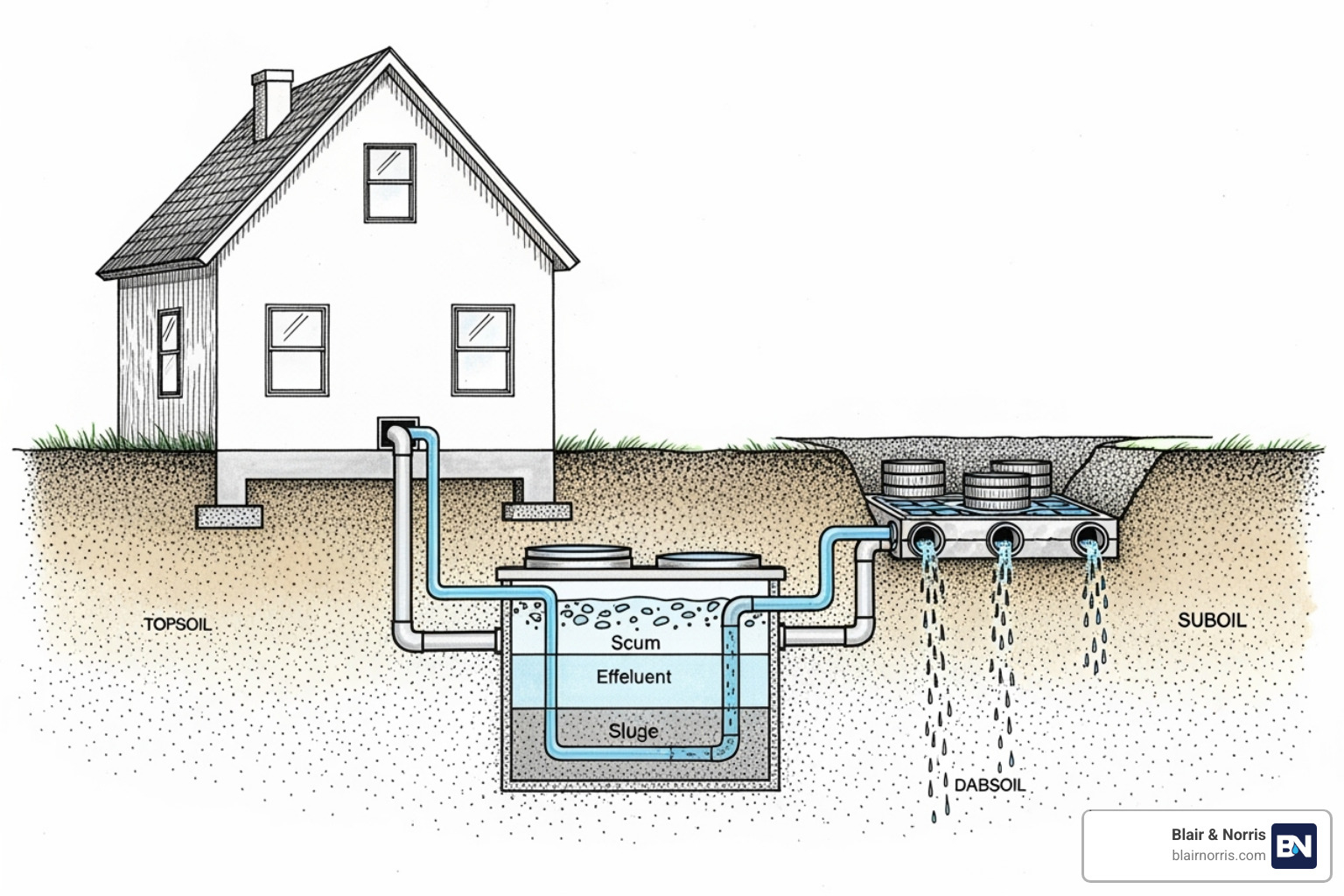
Frequently Asked Questions about Septic Tank Cleaning Services
Over the years, we’ve noticed that homeowners often have the same burning questions about their septic systems. It makes perfect sense – your septic system is one of those “out of sight, out of mind” parts of homeownership until something goes wrong! Let me share the answers to the questions we hear most often from families across Central Indiana.
How often should my tank be pumped?
The classic answer is every 3-5 years, but honestly, it’s not quite that simple. Your septic tank is as unique as your family, and several factors influence how often you’ll need a septic tank cleaning service.
Household size plays a huge role. A busy family of six generates a lot more wastewater and solids than a retired couple. We typically recommend that larger families lean toward the 3-year mark, while smaller households might stretch it to 4-5 years comfortably.
Your tank capacity matters too. A 1,500-gallon tank naturally holds more waste than a 1,000-gallon system, potentially extending the time between cleanings. But here’s where it gets interesting – your daily habits can completely change this timeline.
Do you use a garbage disposal frequently? Love those long, hot showers? These habits add more solids and water to your system, meaning you’ll likely need more frequent pumping. We’ve seen families who thought they were doing everything right, only to find their garbage disposal habits meant they needed annual service instead of the typical 3-year schedule.
The best approach? Keep a simple log of when your tank was last pumped and watch for those warning signs we discussed earlier. Your septic system will usually give you hints before it reaches a crisis point.
What happens to the waste after pumping?
This is such an important question, and I’m glad you asked! The waste we remove from your septic tank – all that sludge and scum – is considered a biohazard and requires very careful handling.
When our team pumps your tank, we transport everything in our specialized vacuum trucks directly to licensed wastewater treatment facilities. These aren’t just any facilities – they’re specifically equipped and certified to safely process septic waste. Think of them as the final stop in your wastewater’s journey, where it gets properly treated before being safely returned to the environment.
This process is heavily regulated, and for good reason. Improper disposal can contaminate groundwater, harm local ecosystems, and create serious public health risks. That’s why choosing a reputable septic tank cleaning service matters so much – we’re not just cleaning your tank, we’re protecting your entire community.
At Blair & Norris, we take this responsibility seriously. After 75 years in business, we’ve built strong relationships with certified disposal facilities throughout Central Indiana. You can rest assured that your waste is handled with the same care and professionalism we bring to every aspect of our service.
Can additives replace a professional cleaning?
I wish I had better news here, but the short answer is absolutely not. I know those septic additives at the hardware store can be tempting – who wouldn’t want a magic powder that eliminates the need for pumping? Unfortunately, that’s just not how septic systems work.
Your septic tank is already a perfectly balanced ecosystem. It contains all the natural bacteria needed to break down organic waste. Adding more bacteria is like adding more cooks to a kitchen that’s already running smoothly – it doesn’t help, and it might actually cause problems.
Here’s the real issue: additives simply cannot handle the heavy lifting your system needs. They can’t break down inorganic materials like plastics or feminine hygiene products that accidentally get flushed. More importantly, they can’t remove the dense sludge layer that accumulates at the bottom of your tank over time. That sludge is too heavy and compacted for any additive to dissolve.
Some chemical additives can actually harm your system by killing the beneficial bacteria or contaminating your groundwater. We’ve seen systems damaged by well-meaning homeowners who thought they were helping with store-bought chemicals.
The truth is, the best “additive” for your septic system is regular professional maintenance combined with smart household habits. Use natural cleaners like white vinegar when possible, avoid flushing non-biodegradable items, and stick to your pumping schedule. Your septic system will thank you with years of reliable, trouble-free service.
Conclusion
Your septic system is one of your home’s most important investments, and taking care of it doesn’t have to be complicated. Throughout this guide, we’ve walked through everything you need to know about professional septic tank cleaning service – from recognizing the warning signs to choosing the right provider for your family.
The truth is, regular septic maintenance is like getting regular checkups at the doctor. It might not seem urgent today, but it prevents much bigger problems down the road. When you invest in professional septic tank cleaning service every 3-5 years, you’re protecting your family’s health, safeguarding your property value, and doing your part to keep Central Indiana’s groundwater clean.
At Blair & Norris, we’ve been helping families just like yours for over 75 years. We’ve seen how proper preventative care keeps systems running smoothly for decades, and we’ve also seen the heartbreak (and expense) that comes from neglect. That’s why we’re committed to being more than just a service provider – we’re your partners in home maintenance.
What sets us apart is simple: we treat every customer like family. When you call our 24/7 live phone support, you’ll reach a real person who understands that septic emergencies can’t wait until Monday morning. We’ve built our reputation on being there when you need us most, whether it’s a routine cleaning or an urgent backup situation.
The best time to think about your septic system is before you have problems. If it’s been more than three years since your last pumping, or if you’re noticing any of those warning signs we discussed, don’t wait. A small investment in professional septic tank cleaning service today can save you thousands in repairs tomorrow.
Ready to give your septic system the professional care it deserves? Our experienced team is standing by to help with expert service that’s built on decades of trust and reliability. For more information on expert septic pumping and how we can serve you, please visit: More info about expert septic pumping.