
Find Trusted Septic System Services Near Me in Central Indiana
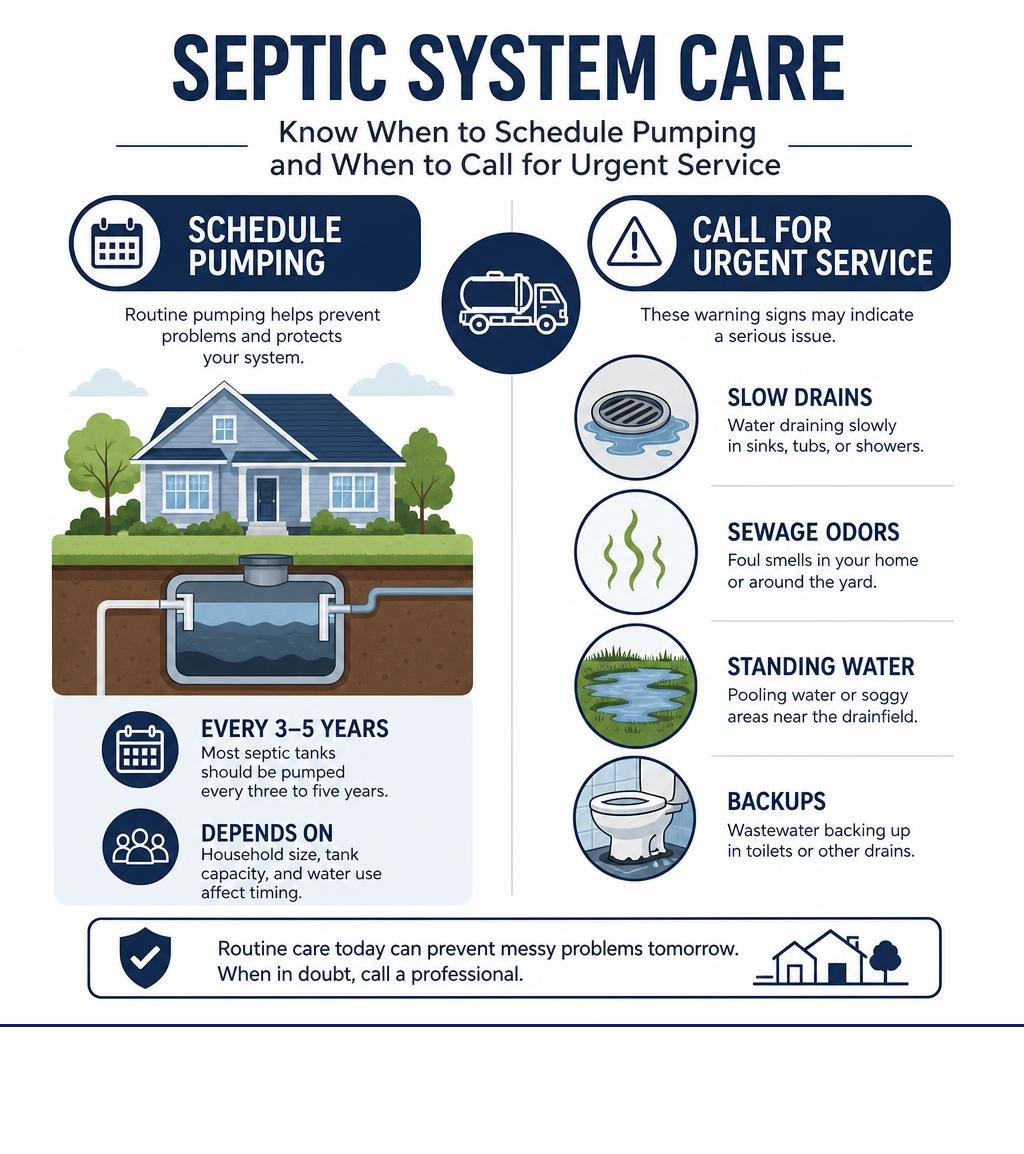
To book septic system services near me, contact a local Central Indiana provider for prompt pumping if you notice slow drains, sewage odors, standing water near the drainfield, or backups. For routine care, most septic tanks should be pumped every three to five years, with timing adjusted for household size, tank capacity, and overall water use.
Blair & Norris provides dependable septic tank pumping, cleaning, and preventative septic system service to help homeowners prevent messy failures, protect their property, and reduce risks to local groundwater. Our services focus entirely on professional septic tank pumping and maintenance rather than system or riser installation, ensuring your existing wastewater infrastructure operates at peak performance throughout its lifespan. Regular maintenance also creates a clear service record that supports responsible wastewater management and preserves your property value.
I am Mack Blair, with more than 30 years of hands-on experience serving Central Indiana homes with well, pump, and septic service needs, including customers looking for dependable septic system services near me. Understanding why your septic system needs more than just a pump-out ensures your tank walls, baffles, and filter systems are thoroughly checked alongside regular pumping. This comprehensive guide explains what warning signs to watch for, why DIY pumping creates severe safety risks, how professional pumping operates, and when to call for immediate assistance.
Understanding Wastewater Problems: Signs Your Septic Tank Needs Immediate Attention
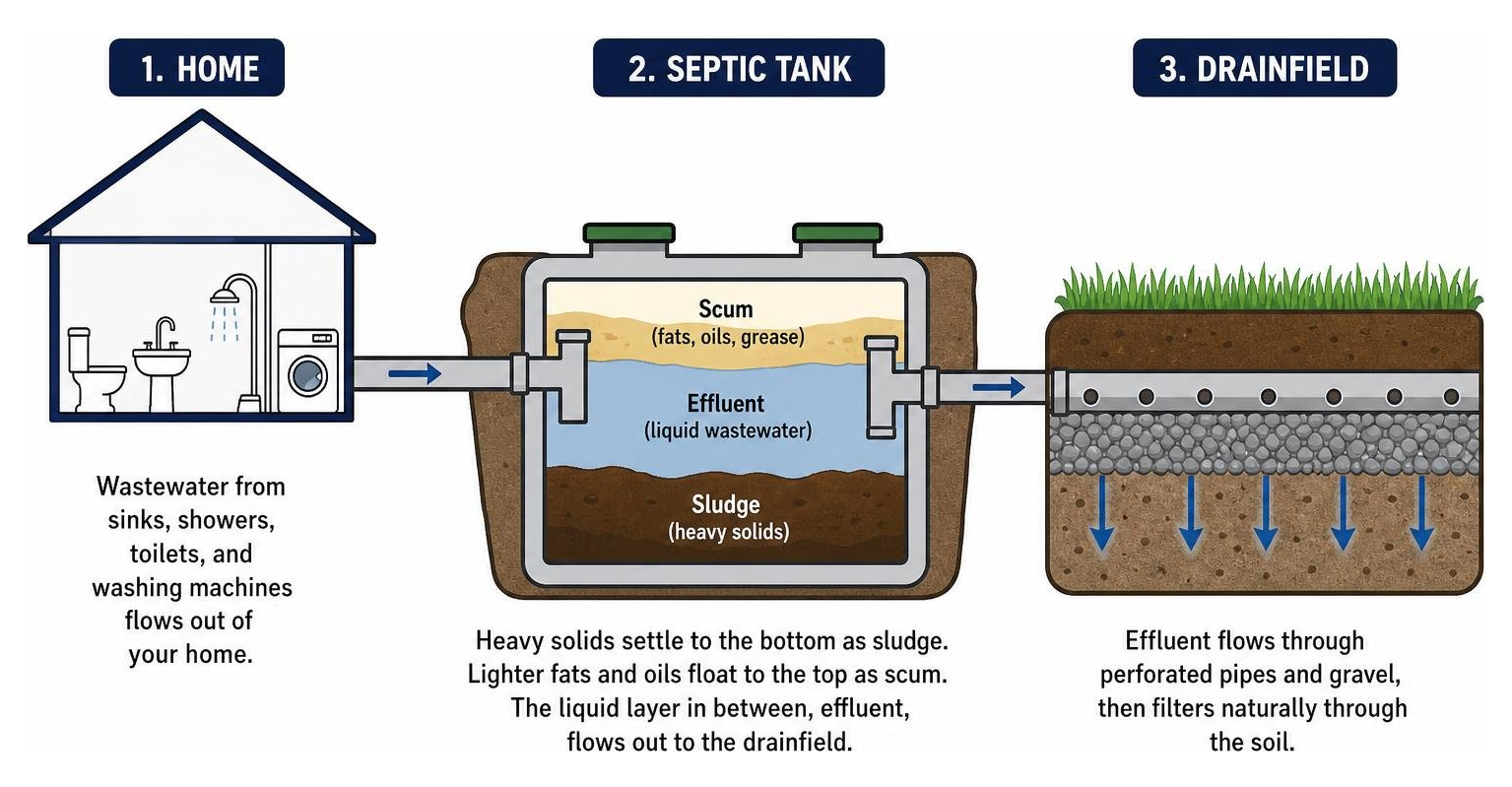
A residential septic system operates silently underground, which makes it easy to overlook until a severe backup or drainage issue occurs. Daily wastewater from your kitchen sinks, bathroom showers, toilets, and laundry appliances drains through your home’s main waste pipe into your subterranean septic tank. Once inside, the wastewater separates naturally into three distinct physical layers.
Heavy solid waste sinks to the floor of the tank, where anaerobic bacteria begin slowly breaking it down into a dense sludge layer. Lighter materials, such as cooking oils, residual grease, and soap scum, float to the liquid surface to form a floating scum cap. The clarified liquid layer suspended in the middle, known as effluent, travels through an outlet baffle into your underground absorption trenches to filter through natural soil and gravel.
When your septic tank fills with excessive solids over years of use, this separation process breaks down. Solid particles fail to settle and begin flowing directly toward your absorption field. Recognizing the early symptoms of system overload allows you to schedule prompt pumping before contaminated wastewater damages your home or property.
Common early warning indicators include:
- Sluggish Fixture Drainage: Sinks, bathtubs, and utility drains that empty noticeably slower than normal across multiple rooms simultaneously.
- Gurgling Plumbing Lines: Distinct bubbling, burping, or gurgling sounds echoing from toilet bowls and drain traps after running water or running a laundry cycle.
- Persistent Sewage Odors: Foul sulfur, methane, or raw wastewater smells lingering indoors or spreading across the yard near the tank and absorption area.
- Soggy Ground and Spongy Grass: Patches of standing water, mushy soil, or unnaturally lush, bright green grass thriving directly above the soil absorption field.
- Plumbing Fixture Backups: Raw, dark wastewater surfacing in basement floor drains, ground-floor showers, or low-lying utility basins.
When you notice these unmistakable signs you need septic repair or scheduled pumping, taking prompt action keeps hazardous effluent from inundating your home. Failing septic systems present severe contamination risks to the surrounding soil and nearby private drinking wells. Local communities follow strict health department guidelines to protect water tables and public health from untreated residential sewage.
| Healthy Septic Tank Indicators | Critical System Failure Signs |
|---|---|
| Drains flow quickly and quietly | Multiple drains run slow and gurgle |
| No sewer odors indoors or in the yard | Persistent sulfur or sewage odors near the tank |
| Normal lawn growth over the absorption area | Spongy, bright green grass or standing water |
| Waste layers sit within normal operating depths | Sludge and scum fill the tank beyond capacity |
| Effluent discharges cleanly into soil lines | Black bio-slime backs up into plumbing fixtures |
Why Delaying Pumping Threatens Your Property and Local Water Quality
Postponing routine septic tank pumping allows solid waste to accumulate until it escapes the main tank chamber. When thick sludge and floating scum exit through the outlet pipe, they enter your underground absorption trenches. These solid particles clog the perforated pipes and choke the surrounding gravel bed.
As organic matter builds up, it creates an impermeable slime barrier called a biomat. While a thin biomat is normal for biological filtration, an overly dense biomat prevents wastewater from percolating into the soil. As a result, wastewater is forced upward to the surface of your yard or pushed backward into your home plumbing, causing severe property contamination and expensive cleanup requirements.
Soil contamination spreads harmful pathogens, nitrates, and coliform bacteria directly into shallow groundwater aquifers. In Indiana, private onsite wastewater systems are governed by the Indiana Department of Health onsite sewage standards to prevent widespread groundwater pollution. Regular pumping by a trusted service provider keeps solids confined to the tank where they belong, safeguarding drinking water and preserving the soil absorption field.
What Never to Flush to Prevent Severe Clogs
Your septic tank relies on natural beneficial bacteria to break down organic waste. Flushing improper household items kills these helpful microbes and creates physical blockages that lead to sudden backups.
To keep your system running smoothly, never flush the following items:
- Cooking grease, fats, butter, and food oils
- Coffee grounds (your septic tank is not a coffee filter!)
- “Flushable” wipes, baby wipes, and wet cleaning towelettes
- Paper towels, facial tissues, and napkins
- Feminine hygiene products, tampons, and applicators
- Dental floss, cotton swabs, and cotton balls
- Cigarette butts and ash
- Cat litter and animal waste
- Harsh chemical cleaners, bleach, paint thinners, and pesticides
- Prescription medications and antibacterial soaps
Grease is one of the most destructive substances for a residential septic system. It enters the tank hot and liquid, but quickly cools, hardens, and forms stubborn blockages in inlet and outlet pipes.
The Hidden Hazards and Legal Risks of DIY Septic Pumping
Attempting to pump, clean, or service your own septic tank is exceptionally dangerous, unhealthy, and illegal without commercial disposal permits and certified equipment. Septic tanks are classified as hazardous confined spaces where toxic gases accumulate in lethal concentrations. As organic matter decomposes anaerobically, it generates high volumes of methane, hydrogen sulfide, ammonia, and carbon monoxide. Inhaling these concentrated fumes can cause sudden asphyxiation, respiratory paralysis, and unconsciousness within seconds. Homeowners who lean over open tank access ports without specialized respiratory protection face immediate life-threatening risks.
The biological hazards associated with raw sewage are equally severe. Septic sludge contains billions of active biological pathogens per gallon, including hepatitis, E. coli, salmonella, rotavirus, and harmful parasites. Direct contact with skin, accidental ingestion of microscopic droplets, or tracking contaminated matter into living spaces can spread debilitating illnesses to family members and pets. Furthermore, standard consumer utility pumps and portable suction tools lack the industrial vacuum power needed to pull heavy, compacted sludge off the bottom of a concrete tank. Attempting to use makeshift suction lines frequently damages delicate inlet tees, outlet baffles, and internal partition walls, resulting in costly structural damage.
From a regulatory standpoint, improper septic disposal carries severe consequences. Discharging untreated septage onto lawns, into roadside ditches, down municipal storm drains, or into surface water channels violates federal, state, and municipal environmental safety regulations. Violators face steep fines, environmental remediation orders, and legal liabilities. The Purdue Extension residential septic management guidelines emphasize that only licensed waste haulers with specialized vacuum trucks should handle septic pumping, waste transport, and legal disposal at certified municipal treatment facilities.
Essential Solutions Offered by Professional Septic System Services Near Me
Professional septic service providers deliver specialized maintenance designed to protect residential and light commercial wastewater setups. Rather than offering one-size-fits-all options, reputable technicians evaluate your system and provide tiered maintenance plans based on tank condition, household demand, and visible warning signs. That structured approach helps homeowners prioritize the right level of care without paying for unnecessary services.
- Good: Routine septic tank pumping every three to five years to remove accumulated solids, clear tank baffles, and restore operating liquid capacity.
- Better: Routine pumping paired with a comprehensive visual inspection of the tank structure, baffles, and liquid operating levels, along with cleaning the effluent filter.
- Best: A complete maintenance service including pumping, high-pressure tank wall cleaning, filter washing, and drainfield line condition assessments.
For homeowners managing complex water infrastructure, we also utilize specialized clean drilling and mud recycling equipment like the Mud Puppy (https://www.mudpuppyinc.com/) when servicing and expanding residential well water setups alongside wastewater maintenance.
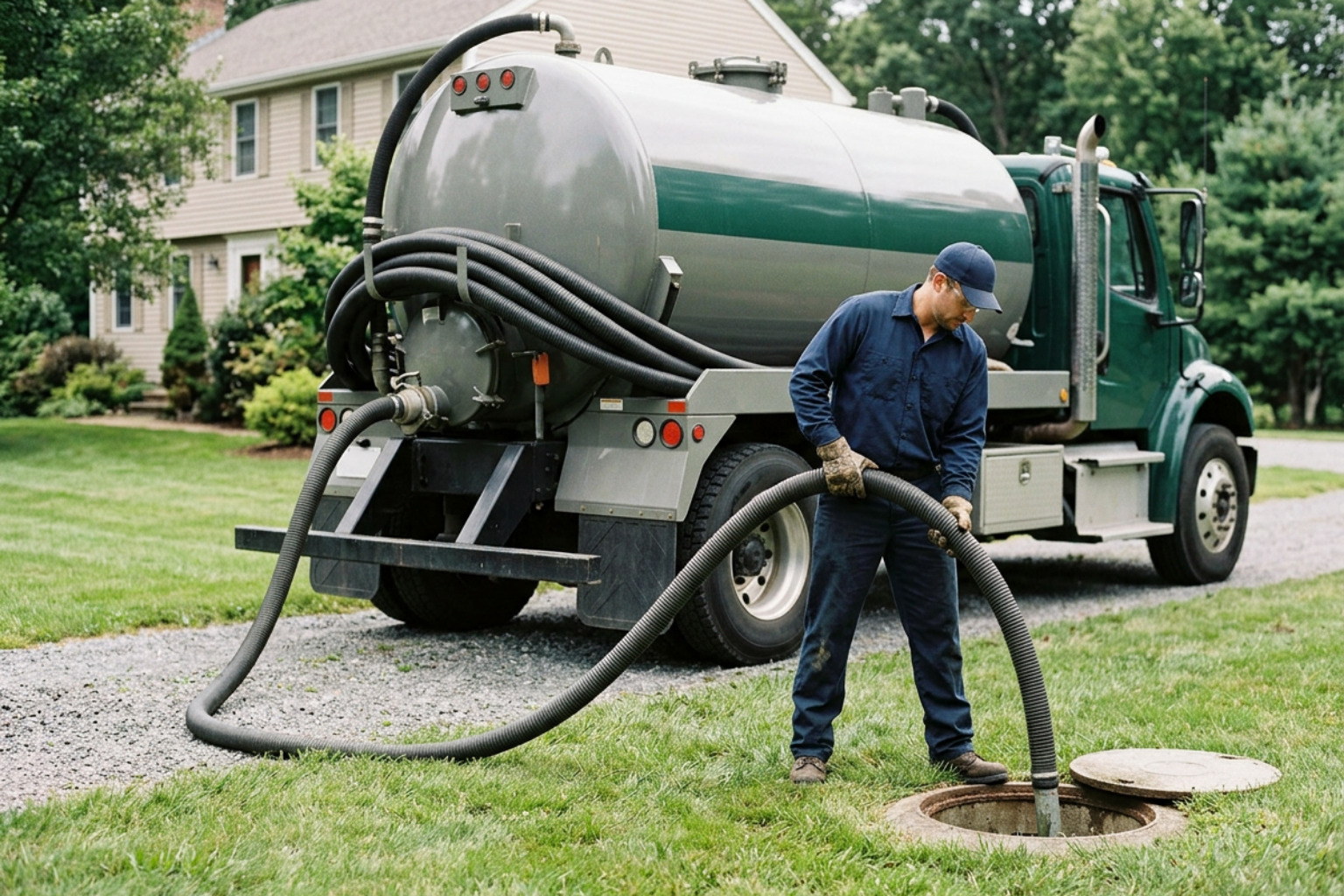
Understanding your maintenance needs starts with a clear septic tank pumping frequency guide. Keeping up with regular pumping prevents sudden emergencies and extends the operating lifespan of your absorption field.
Finding Reliable Septic System Services Near Me for Routine Pumping
Finding the right service provider requires looking for established local experience and dependable customer care. Routine septic tank pumping should be scheduled every three to five years, though your exact schedule depends on household size, daily water usage, and tank capacity.
A family of five using a 1,000-gallon tank will need service much sooner than a two-person household with a 1,500-gallon tank. When evaluating your property, our technicians measure the scum and sludge layers to give you an accurate idea of how your household usage impacts your system. Understanding the factors involved in determining how often a septic tank should be pumped gives you complete control over your home maintenance schedule.
If your tank has not been pumped in several years, call our team today to schedule an inspection and pumping service before hidden issues turn into messy property damage.
When to Call for Emergency Septic System Services Near Me
Some wastewater problems cannot wait for normal business hours. When plumbing fixtures back up into your home or wastewater pools over your yard during heavy rains, you need prompt support.
Emergency situations requiring immediate dispatch include:
- Raw sewage backing up into bathtubs, showers, or floor drains.
- Sudden, complete plumbing failure where no toilets will flush.
- Heavy storm runoff overwhelming the septic tank and reversing wastewater flow toward the foundation.
- Pungent sewage odors spreading through interior living areas.
When unexpected failures strike, our team provides fast emergency septic repair and rapid pumping dispatch to contain wastewater and protect your home.
What to Look for in a Trusted Local Septic Partner
Selecting a reputable septic service provider ensures your wastewater system receives thorough, code-compliant care. Because septic maintenance directly impacts your plumbing functionality, yard hygiene, and surrounding groundwater, working with an experienced and ethical contractor is essential. When searching for local service, look for these key qualifications:
- Proper Licensing and Insurance: Ensure the business holds active permits with local health departments and carries full commercial liability and worker’s compensation coverage.
- Decades of Proven Experience: Choose a company with deep roots in your community and an established track record of transparent, ethical work.
- Modern Service Equipment: Look for well-maintained, high-capacity vacuum trucks and commercial agitation tools capable of lifting dense bottom sludge efficiently.
- Transparent Communication: Reliable technicians explain their diagnostic findings clearly, review operating liquid depths with you, and never pressure you into unnecessary services.
- Verified Customer Feedback: Check authentic customer ratings, such as our verified Google reviews, to see how local homeowners rate our reliability, prompt response times, and workmanship.
Frequently Asked Questions About Local Septic Maintenance
How often should a residential septic tank be pumped?
Most residential septic tanks should be professionally pumped every three to five years. If your home has high daily water usage, uses an in-sink garbage disposal frequently, or accommodates a large household relative to tank capacity, you may need pumping every two to three years. Practicing daily water conservation and keeping cooking grease and non-biodegradable solids out of your plumbing fixtures helps maximize the operating time between pumping visits.
What happens during a standard professional septic pumping visit?
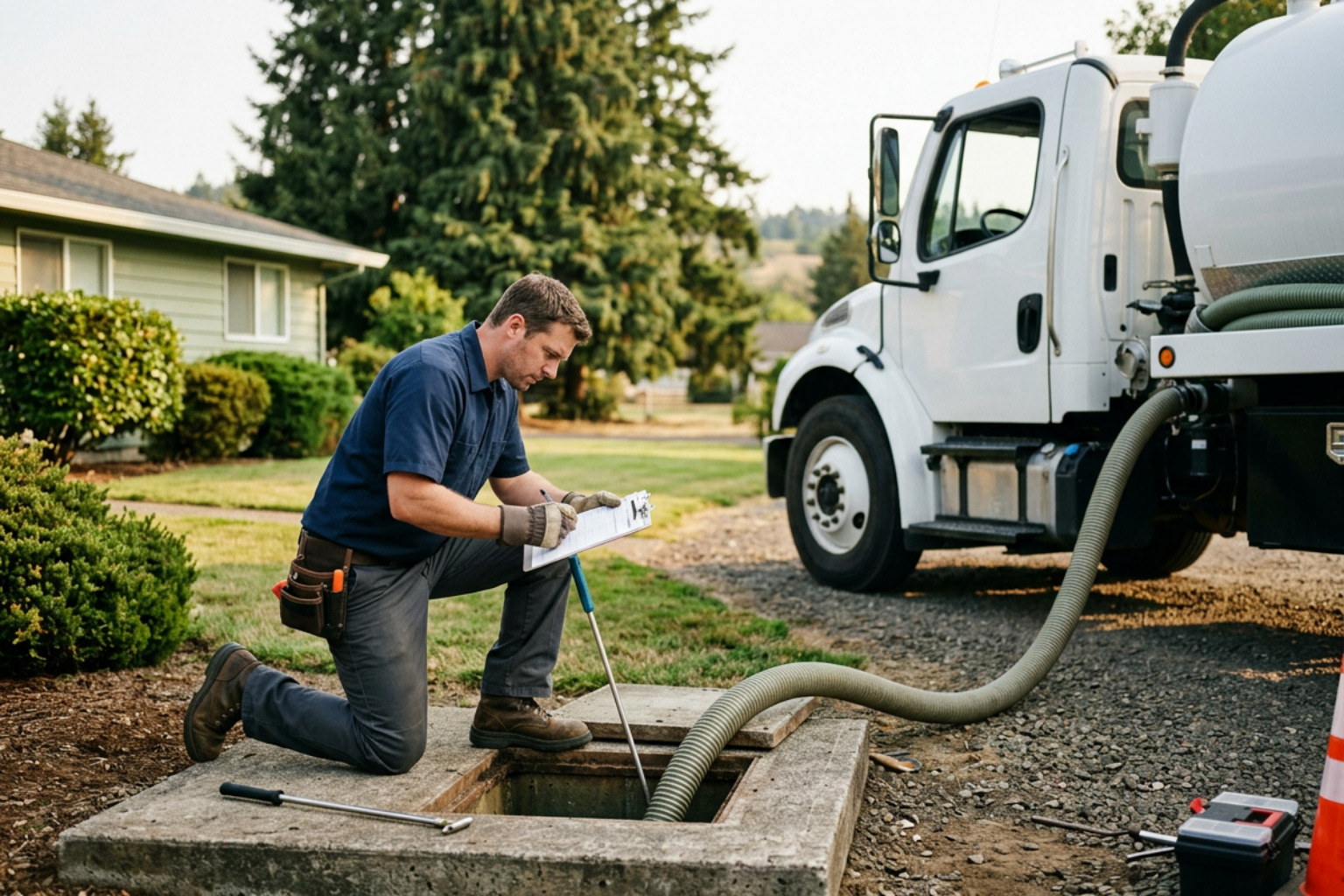
During a standard appointment, the technician locates the tank access port, carefully removes the lid, and inspects the static liquid operating level to check for backups or drainage restrictions. A heavy-duty commercial vacuum hose is lowered into the tank to draw out the floating scum layer, liquid effluent, and dense bottom sludge. The technician rinses the tank walls, backflushes the slurry to break up stubborn compacted solids, cleans the effluent filter, and inspects the inlet and outlet baffles for structural integrity before securely resealing the access covers.
Can I pump my own septic tank to save money?
No. Pumping a septic tank requires commercial vacuum trucks, specialized safety equipment, and state-issued disposal permits. Septic tanks generate lethal concentrations of methane and hydrogen sulfide gases that can overcome an individual in seconds. Furthermore, raw septage must be transported and treated at licensed municipal wastewater facilities to prevent groundwater contamination, severe health hazards, and heavy regulatory fines.
Conclusion
Proactive septic tank maintenance is the single most effective way to prevent costly drainfield failures, protect your property value, and keep your home plumbing running smoothly. By having your tank pumped every three to five years and keeping prohibited items out of your drains, you protect your local groundwater and avoid messy household emergencies.
As Your Local Central Indiana Provider, Blair & Norris brings more than 75 years of trusted family ownership to every job. We provide dependable, ethical septic tank pumping, cleaning, and maintenance alongside our complete well pump solutions, focusing our septic work strictly on professional pumping and tank service rather than installation. We proudly serve homeowners across Indianapolis, Carmel, Fishers, Noblesville, Westfield, Zionsville, Greenwood, and surrounding communities.
Don’t wait for a slow drain to become an emergency. Contact Blair & Norris today to request an estimate and schedule your next professional septic pumping service.