
The Hidden Dangers and Costs of Neglecting Your Water Heater
Most homeowners view their water heater as a “set it and forget it” appliance. Tucked away in a basement or utility closet, it quietly hums along until the day you’re met with an icy blast in the shower. By then, the damage is often done. Neglecting a water heater maintenance service doesn’t just lead to cold water; it can create hidden safety risks and preventable damage throughout the home.
When sediment—minerals like calcium and magnesium found in our Indiana groundwater—settles at the bottom of a tank, it creates an insulating layer between the burner and the water. This process can be especially aggressive in Central Indiana, where many communities report hard-to-very-hard water. This layer of “scale” acts as a thermal barrier. In a gas unit, the burner has to stay on longer and burn hotter to penetrate the sediment, leading to a phenomenon called “kettling,” where water trapped under the sediment boils and creates popping sounds. This extra strain leads to internal overheating, which can cause the protective glass lining of the tank to crack. Once that lining fails, the steel tank begins to rust from the inside out, a process that is irreversible.
The practical impact is just as serious. A neglected unit can see a significant spike in utility bills as efficiency plummets. When your heater has to work twice as hard to produce the same amount of hot water, your system may run longer than necessary, increasing wear and reducing efficiency. Furthermore, a tank failure often results in a catastrophic leak. We’ve seen countless basements in Indianapolis and Carmel flooded because a small, maintainable issue was ignored for too long. A single tank failure can release 40 to 80 gallons of water in minutes, leading to thousands of dollars in property damage, mold growth, and structural issues. If you are worried about potential moisture issues, our guide on Water Leak Detection Indianapolis can help you spot trouble before it ruins your flooring.
According to industry data, a well-maintained water heater can last 12 to 15 years, while a neglected one may fail in as little as 6 to 8 years. This means neglecting maintenance could effectively double your long-term appliance costs by forcing premature replacements.
Signs You Need Immediate Water Heater Maintenance Service
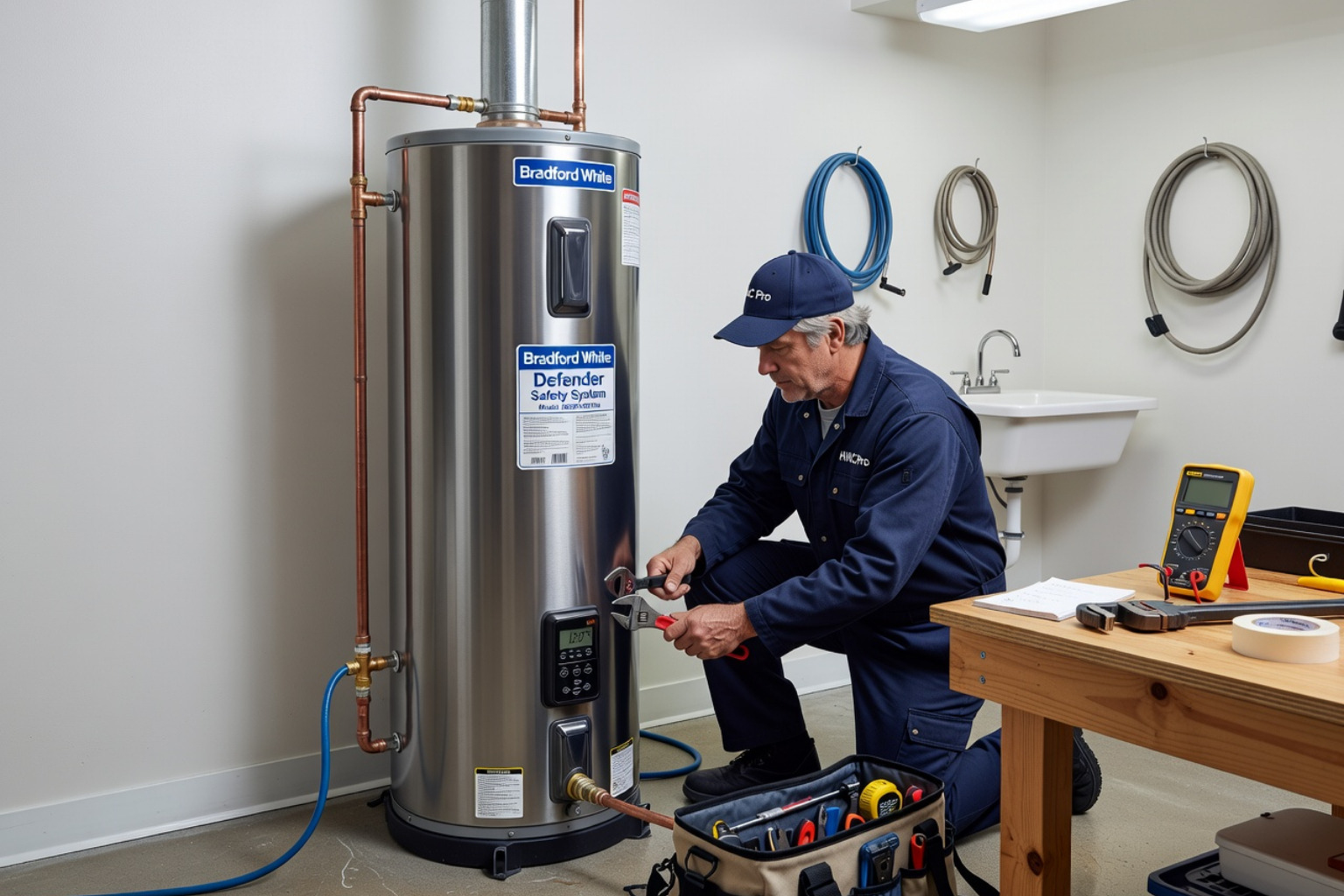
Your water heater is actually quite “vocal” when it’s struggling. You just need to know what to listen and look for. Ignoring these early warning signs is the most common reason for emergency plumbing calls. If you notice any of the following, it’s time to call in the pros:
- Popping or Rumbling Noises: This is the sound of steam bubbles rising through a thick layer of sediment at the bottom of the tank. It’s often compared to the sound of popcorn popping or a low-frequency rumbling. This indicates that your tank is overheating and the metal is under significant stress.
- Discolored or Rusty Water: If your hot water looks “cloudy” or has a reddish-brown tint, your tank or your anode rod is likely corroding. If the rust only appears when the hot water is running, the problem is almost certainly inside the heater rather than the main water lines.
- Inconsistent Temperatures: If your morning shower starts hot but turns lukewarm within minutes, your heating elements (in electric models) or the dip tube (which directs cold water to the bottom) may be failing. A broken dip tube allows cold water to mix with the hot water at the top of the tank.
- Water Pooling at the Base: Even a small damp spot around the heater can indicate a failing Temperature and Pressure Relief (TPR) valve or a hairline crack in the tank. Moisture can also lead to corrosion of the outer shell and the burner assembly.
- Metallic Taste or Smell: High mineral content or internal corrosion can change the quality of your water, making it unappealing for cooking or bathing. This is often a sign that the sacrificial anode rod has been completely depleted.
The Impact of Indiana Hard Water
In Central Indiana—from Noblesville down to Greenwood—we deal with some of the hardest water in the country. Central Indiana water often contains elevated calcium and magnesium, which can accelerate scale inside tank-style heaters, one reason a water heater maintenance service matters. While great for bone health, it’s a nightmare for plumbing systems and appliances.
As water is heated, these minerals solidify into “limescale.” This scale coats the heating elements in electric heaters, causing them to burn out prematurely. In gas heaters, it creates a thick “crust” at the bottom of the tank that acts as an insulator. This buildup doesn’t just waste energy; it creates hot spots that weaken the metal of the tank through a process called thermal expansion and contraction. Over time, this stress leads to metal fatigue and eventual tank failure.
Why DIY Water Heater Maintenance Service Can Be Risky
In the age of YouTube tutorials, many homeowners are tempted to tackle water heater maintenance service themselves. While we admire the “can-do” spirit, water heaters are complex machines that combine three potentially dangerous elements: high-pressure water, high-voltage electricity (or flammable gas), and scalding temperatures. The margin for error is incredibly slim, and a mistake can lead to property damage or personal injury.
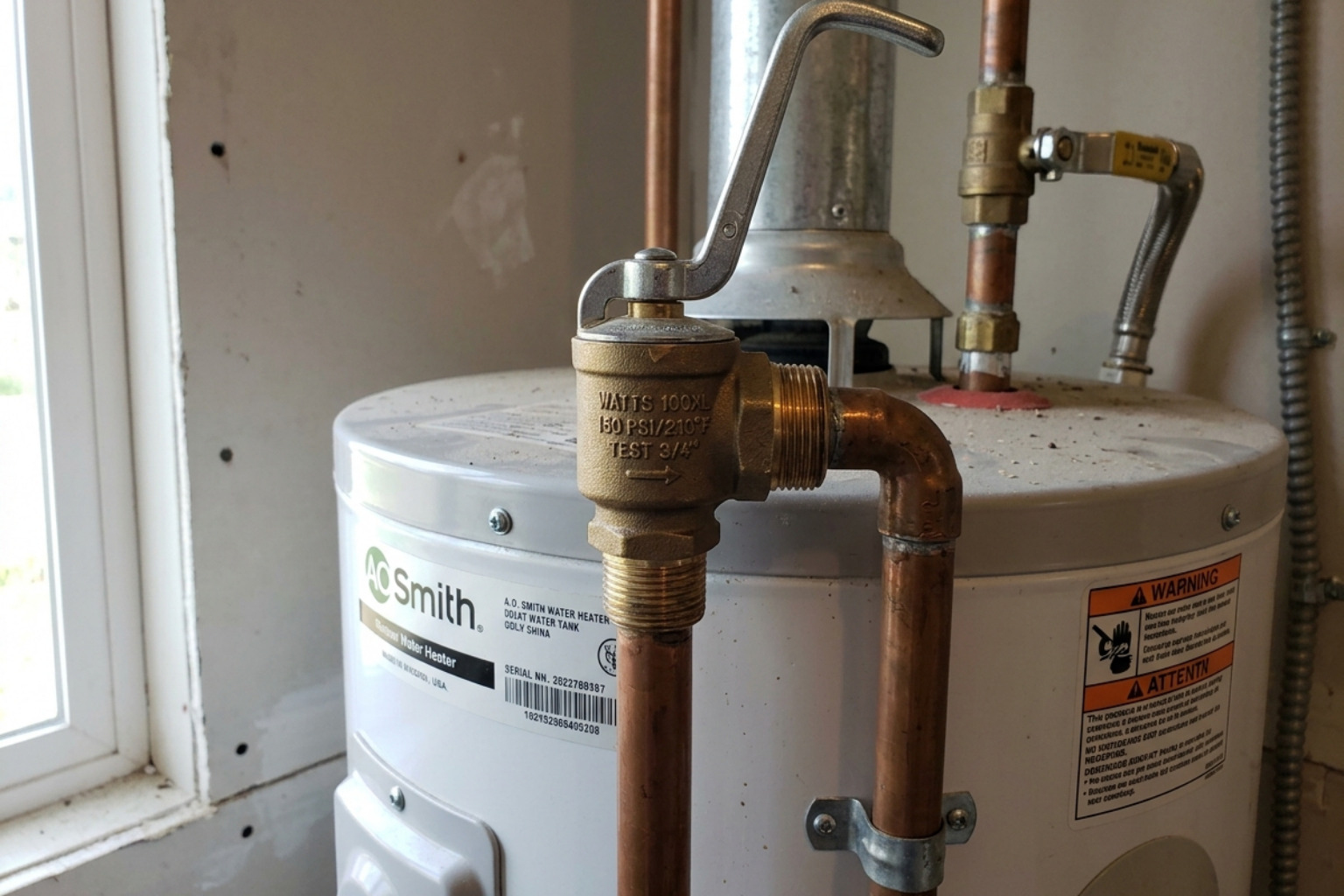
One of the most critical safety components is the Temperature and Pressure Relief (TPR) valve. This valve is designed to open if the internal pressure or temperature exceeds safe limits, preventing the tank from literally exploding. If a DIYer accidentally damages this valve, installs it incorrectly, or replaces it with the wrong part, the safety of the entire home is at risk. A malfunctioning TPR valve can turn a water heater into a pressurized rocket that can blast through multiple floors of a home.
Furthermore, working on gas lines requires specialized tools and leak-detection solutions. A small mistake during a DIY flush could lead to a gas leak or improper venting of carbon monoxide, an odorless, colorless gas that can be fatal. On the electric side, 240 volts is nothing to play with; improper wiring after a heating element check can lead to fire or electrocution. If a DIY project goes south and leads to a burst pipe, you’ll need to act fast—check out our resources on Emergency Flooding or Broken Pipes? Indianapolis Water Disaster Recovery is On the Way! for immediate steps to take.
Professional service also ensures your manufacturer’s warranty stays intact. Many brands require proof of professional maintenance to honor claims for tank failures. If you cannot provide a service receipt from a licensed plumber, the manufacturer may deny your claim for a replacement unit. For a deeper look at why professional oversight is the safer bet, see Water Heater Maintenance San Diego | Extend Lifespan | ASI.
Common DIY Mistakes
We’ve been called out to many homes in Fishers and Zionsville to correct DIY attempts that created bigger problems than expected. Here are the most common blunders we encounter:
- Improper Flushing: Homeowners often forget to turn off the power or gas before draining. If an electric heating element is “fired” while the tank is empty, it will burn out in seconds. This is known as “dry firing” and requires a full element replacement.
- Valve Damage: The TPR valve is sensitive. Testing it without knowing how to properly reseat it can lead to a permanent, annoying drip. Furthermore, if the valve is old and brittle, it may snap off during testing, leading to an immediate flood.
- Thermostat Errors: Setting the temperature too high (above 120°F) in an attempt to get “more” hot water actually accelerates mineral buildup and increases the risk of scalding. It also puts unnecessary pressure on the tank’s internal lining.
- Cross-Threading the Anode Rod: Replacing the sacrificial anode rod is great, but if you cross-thread the new one, you’ve just created a permanent leak at the top of your tank. These rods are often located in tight spaces and require significant torque to remove, making them difficult for the average homeowner to handle.
- Incomplete Draining: Simply opening the drain valve doesn’t always remove the heavy, solidified sediment at the bottom. Professionals use specialized techniques to agitate and remove this “sludge” that a standard garden hose flush often leaves behind.
Comparing Maintenance Options: Good, Better, and Best Solutions
When it comes to keeping your hot water flowing in Indiana, you have options. We like to categorize these into a “Good, Better, Best” framework to help you decide what fits your home’s needs and your budget. Understanding these levels helps you make an informed decision about the level of protection you want for your home.
| Feature | Good (Basic Flush) | Better (Component Care) | Best (System Optimization) |
|---|---|---|---|
| Sediment Removal | Yes | Yes | Yes |
| Safety Valve Test | No | Yes | Yes |
| Anode Rod Inspection | No | Yes | Yes |
| Efficiency Tuning | No | No | Yes |
| Leak Prevention Check | Basic | Detailed | Comprehensive |
| Warranty Protection | Minimal | Moderate | Full |
| Burner/Element Cleaning | No | No | Yes |
Maintenance isn’t just for the summer months; it’s a year-round necessity. For more tips on protecting your home’s entire plumbing system during our harsh Indiana winters, read our guide on how to Prevent Frozen Pipes in Indiana: Essential Winter Tips.
The “Good” Standard: Annual Tank Flushing
The “Good” level is the bare minimum for any tank-style heater. This involves a basic flush to remove the loose sediment that has settled at the bottom. While it doesn’t address all potential issues, it is significantly better than no maintenance at all.
- Turn off Power/Gas: Ensuring the unit doesn’t heat an empty tank, which prevents element burnout or tank cracking.
- Connect a Hose: Draining the water to a safe location, such as a floor drain or outside.
- Cold Water “Blast”: Opening the cold water inlet briefly to stir up and flush out heavy sediment that has settled at the base.
- Refill and Restart: Ensuring the tank is completely full and all air is bled from the lines before turning the heat back on.
This level of service is better than doing nothing, but it doesn’t address the internal health of the components or the safety valves.
The “Better” Approach: Component Testing and Replacement
The “Better” approach includes the flush but adds a critical inspection of the parts that actually do the work. This is where we test the TPR valve to ensure it opens and closes correctly without leaking. We also inspect the anode rod.
The anode rod is a “sacrificial” piece of magnesium or aluminum that hangs inside your tank. Its only job is to rust so your tank doesn’t have to. Through a process called electrolysis, the rod attracts the corrosive elements in the water. If the rod is more than 50% depleted, we replace it. This one step alone can add five years to your water heater’s life by preventing the steel tank from becoming the target of corrosion.
The “Best” Solution: Comprehensive System Optimization
This is the Blair & Norris gold standard. We don’t just flush and check; we optimize the entire system for peak performance and safety. This includes cleaning the burner assembly on gas units (which can get dusty and inefficient) or checking the electrical draw on heating elements for electric units to ensure they aren’t nearing failure.
We also inspect all connections for “dielectric” issues—where different metals meet and cause rapid galvanic corrosion. We check the expansion tank (if present) to ensure it is properly pressurized to handle thermal expansion. If we find a failing line or a corroded fitting, we can perform a Fast Water Line Repair on the spot to prevent a future disaster. This level of service provides the ultimate peace of mind, knowing your system is running at peak efficiency and maximum safety.
Professional Water Heater Maintenance Service: The Blair & Norris Advantage
In Central Indiana, you have plenty of choices for plumbing help, but Blair & Norris offers something different. We are Your Local Central Indiana Provider, serving families from Avon to Greenfield and everywhere in between. With a 75-year legacy, we aren’t a “here today, gone tomorrow” franchise. We are family-owned and operated, built on a foundation of ethical service, community trust, and high-quality workmanship that has spanned generations.
One thing that sets us apart is specialized equipment and clean work practices across home water systems, so your water heater maintenance service is handled with the same rigor we apply to the rest of your plumbing. For our customers who rely on well systems (common in areas like Danville or Bargersville), we utilize Mud Puppy equipment. This advanced technology allows for clean mud recycling and drilling, ensuring that when we work on your water system, we are protecting your property and the environment. The Mud Puppy system is essential for maintaining the integrity of your well and ensuring that the drilling process is as non-invasive and efficient as possible, minimizing the footprint on your landscape while maximizing the quality of your water source.
We believe in transparency and accessibility. That’s why we offer 24/7 live phone support. When you call us at 2 AM because your water heater is making a sound like a freight train or you’ve discovered a leak, you’ll talk to a real person, not an automated machine. Our reputation is backed by hundreds of 5-star Google Reviews from your neighbors who trust us to keep their homes running smoothly. If your system is beyond repair, we also provide a Fast Water Line Replacement Guide to help you navigate the upgrade process with ease.
What to Expect from a Water Heater Maintenance Service
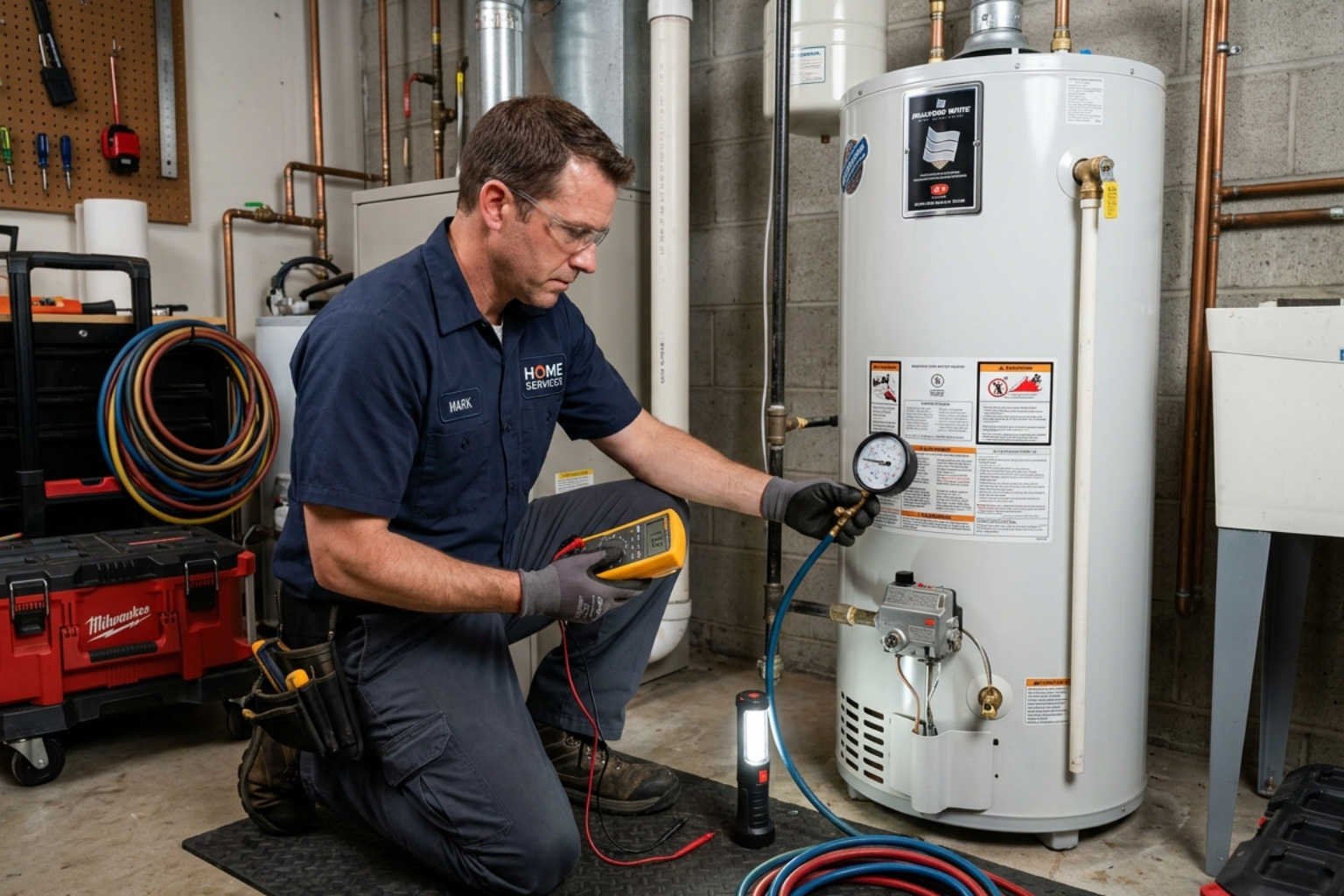
When a Blair & Norris technician arrives at your home, they follow a rigorous, multi-point checklist to ensure no detail is missed. We don’t believe in shortcuts. Here is what our comprehensive water heater maintenance service entails:
- Initial Safety Inspection: We check for gas leaks using electronic detectors, ensure proper venting of exhaust gases, and look for any signs of electrical scorching or melted wire insulation.
- Full Tank Flush: We remove every bit of sediment possible using professional-grade hoses and agitation techniques that go far beyond a simple DIY drain.
- TPR Valve Testing: We ensure the safety valve is operational and not “seized” by mineral deposits, which is a common cause of tank failure.
- Anode Rod Inspection: We pull the rod to check its remaining life and provide a recommendation based on its current state of decay.
- Thermostat Calibration: We verify the water temperature at the tap using digital thermometers to ensure it matches the setting, preventing energy waste and scalding risks.
- Connection Tightening: We check all water, gas, and electric connections for integrity, ensuring there are no slow drips or loose wires that could cause future issues.
- Expansion Tank Check: If your home has a closed-loop system, we check the air pressure in your expansion tank to ensure it is protecting your pipes from pressure spikes.
- Clean-up and Briefing: We leave your utility room cleaner than we found it and walk you through exactly what we did, providing a written report for your records.
Frequently Asked Questions
How often should a water heater be maintained?
For most homes in Central Indiana, we recommend a professional water heater maintenance service once a year. However, if you live in an area with particularly high mineral content (very hard water) and do not have a whole-home water softener, every six months is a safer bet. This prevents sediment from “cooking” onto the bottom of the tank and becoming a solid mass that is impossible to flush out.
What is an anode rod and when should it be replaced?
Think of the anode rod as your water heater’s bodyguard. It is a sacrificial rod made of magnesium or aluminum that attracts corrosive elements in the water. These elements eat the rod instead of the steel walls of your tank. You should have it inspected every 2-3 years and replaced once it looks like a chewed-up piece of wire (usually every 3-5 years). Replacing a $50 rod can save you from a $1,500 tank replacement.
How long do water heaters typically last with proper care?
With consistent annual maintenance, a traditional tank water heater can easily last 12 to 15 years. Tankless models, which also require annual descaling to remove mineral buildup from the heat exchanger, can last 20 years or more. Without any maintenance, many units fail around the 7-year mark, often just after the manufacturer’s warranty expires!
Why is my water heater making a popping noise?
That popping or “kettling” noise is caused by sediment buildup. Water gets trapped underneath the layer of limescale at the bottom of the tank. As the burner heats the bottom of the tank, that trapped water turns to steam and “pops” through the sediment layer. It is a clear sign that your heater is struggling and needs a professional flush immediately.
Can a water softener help my water heater?
Absolutely. A water softener removes the calcium and magnesium ions before they enter your water heater. This significantly reduces the amount of sediment that can build up. However, even with a softener, annual maintenance is recommended to check the anode rod and safety valves, as softeners can sometimes cause anode rods to deplete faster.
Conclusion
Your home’s water heater is the unsung hero of your daily routine. From that first cup of coffee to the last load of laundry and the relaxing hot shower at the end of a long day, it’s working tirelessly behind the scenes to keep your life comfortable. Investing in a regular water heater maintenance service isn’t just about avoiding a cold shower—it’s about protecting your home from devastating water damage, lowering your monthly utility bills, and ensuring your family’s safety from potential hazards like gas leaks or tank explosions.
At Blair & Norris, we’ve spent 75 years perfecting the art of water system care in Central Indiana. We treat your home like our own, providing ethical, high-quality service that you can rely on. Whether you are in Indianapolis, Westfield, or Shelbyville, we are your local experts committed to excellence. We understand the unique challenges posed by Indiana’s hard water and have the specialized tools, like our Mud Puppy equipment for well systems, to handle any situation.
Don’t wait for a leak, a strange noise, or a cold morning to think about your water heater. Proactive care is the most reliable way to prevent urgent failures and protect your home. For more information on how we can help keep your system in top shape and extend the life of your appliances, visit our maintenance services page.
Ready to ensure your hot water never runs out and your home stays protected? Contact Blair & Norris today for a comprehensive water heater estimate and experience the peace of mind that comes with 75 years of Indiana expertise!