
Why Finding Local Well Pressure Tank Replacement Matters
Well pressure tank replacement near me is one of the most searched terms by homeowners facing water system issues – and for good reason. When your pressure tank fails, you need fast, reliable service to restore your water supply.
Quick Answer for Well Pressure Tank Replacement Near Me:
- Average cost: $425-$1,915 for tank and installation
- Typical lifespan: 10-25 years (average 15 years)
- Common signs: Pump short cycling, fluctuating pressure, visible rust
- Professional vs DIY: Professional installation recommended for safety and warranty
- Timeline: Most replacements completed same day
Does your water sound like a DJ scratching a record when you turn on the tap? Or perhaps you’re experiencing constant low water pressure throughout your home? These are classic signs your well pressure tank may be failing.
Your pressure tank is the unsung hero of your well system. It stores pressurized water and prevents your pump from cycling on and off constantly. When it fails, you’ll know it – and you’ll want it fixed fast.
The stakes are high with pressure tank problems. A failing tank doesn’t just hurt your water pressure. It forces your well pump to work overtime, which can lead to expensive pump replacement. Research shows that larger pressure tanks can actually extend your pump’s life by reducing cycling.
I’m Mack Blair, and over my 30+ years in the water system business, I’ve seen countless Central Indiana homeowners struggle with pressure tank failures that could have been prevented with proper maintenance and timely replacement. When you’re searching for well pressure tank replacement near me, you need someone who understands both the urgency and the technical details to get your water flowing properly again.
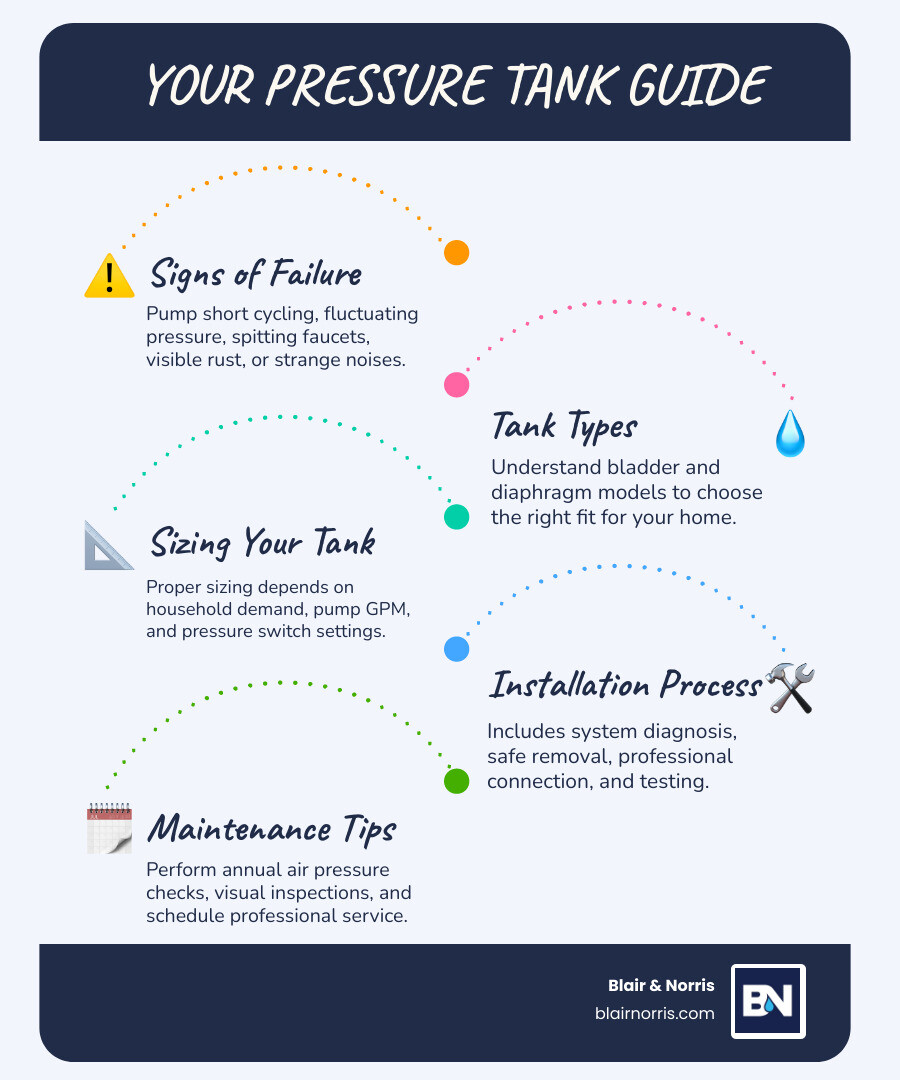
Well pressure tank replacement near me helpful reading:
Understanding Your Well Pressure Tank
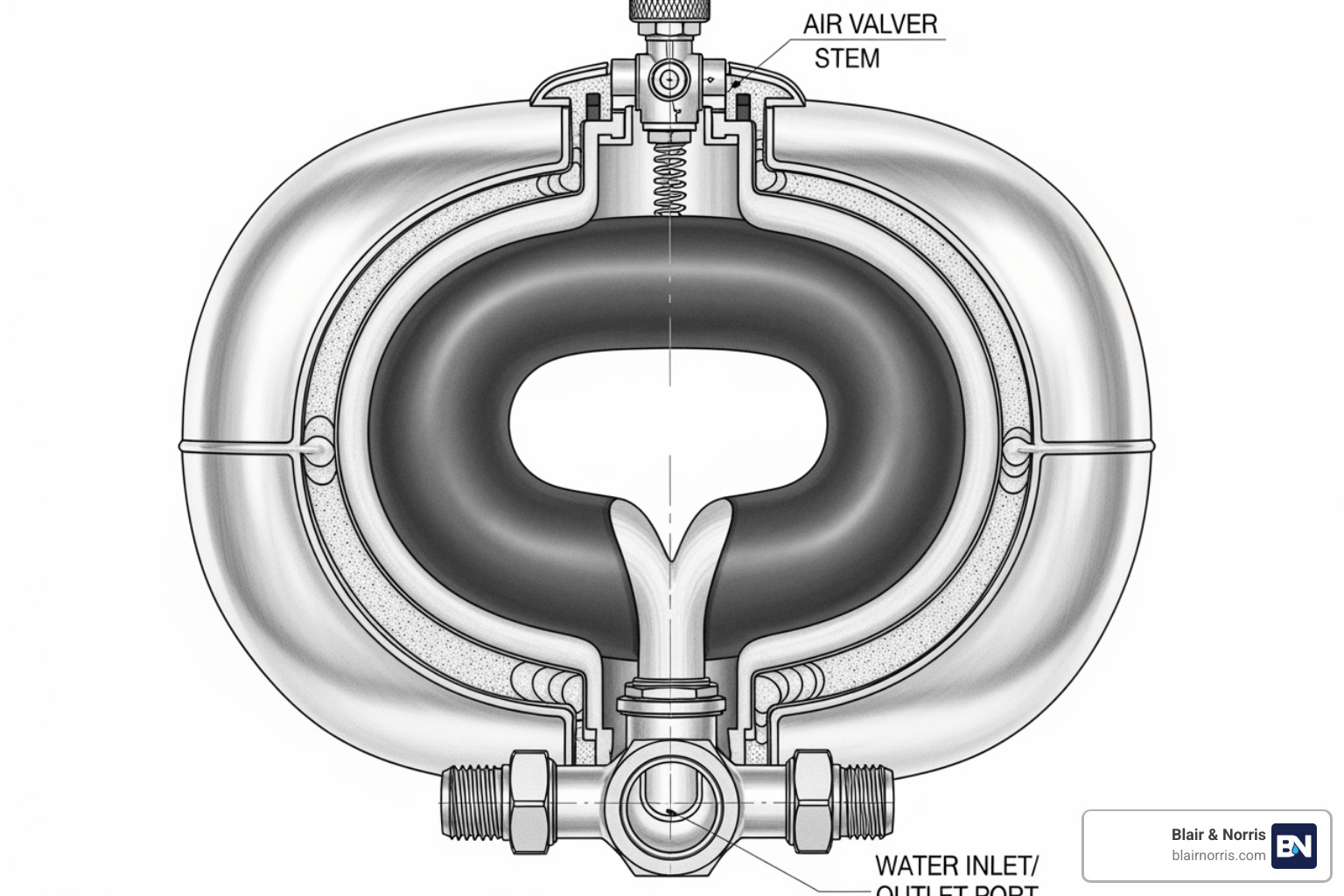
Think of your pressure tank as the silent guardian of your water system. While you might not give it much thought tucked away in your basement, this hardworking component is what keeps your water flowing smoothly every day.
Your pressure tank is essentially a smart storage system that holds pressurized water from your well pump. But it’s not just sitting there taking up space – it’s actively working to maintain consistent water pressure throughout your home and protect your expensive well pump from burning out.
This crucial piece fits into the bigger picture of Components of a Water Well System like a perfectly placed puzzle piece. The main job of your pressure tank is storing pressurized water, which means your pump doesn’t have to kick on every single time you turn on a faucet. It also works hard at reducing pump cycling – those constant on-off cycles that wear out pumps faster than anything else.
Beyond that, your tank is maintaining consistent water pressure so you’re not dealing with those annoying pressure drops mid-shower. Most importantly, it’s protecting your well pump from the electrical and mechanical stress of constantly starting and stopping, which directly impacts your system’s overall efficiency.
What a Pressure Tank Does for Your Well System
Your pressure tank acts as a water reservoir, keeping a ready supply of pressurized water on standby. This means when you need just a glass of water or want to rinse your hands, the tank can handle it without waking up your well pump from its rest.
This setup prevents pump damage in a big way. Every time your pump starts up, it experiences a jolt of stress – kind of like how your car engine works harder when you’re constantly stop-and-go driving versus cruising on the highway. By reducing these start-stop cycles, your tank is literally extending your pump’s life.
The energy savings are real too. Your system saves energy because the pump runs for longer, more efficient periods instead of short, frequent bursts. Plus, you get steady water flow throughout your home, which makes everything from your morning shower to your dishwasher work better.
How It Works with Your Well Pump
The partnership between your pressure tank and well pump is like a well-choreographed dance. Here’s how they work together to keep your water flowing:
The pump fills the tank when water pressure drops to a preset level – usually around 30-40 psi. As water enters the tank, air compression happens inside thanks to a rubber bladder that separates the water from compressed air. This compressed air is what creates the pressure that pushes water through your pipes.
Pressure switch control is the brain of the operation. When the tank reaches its high-pressure setting (typically 50-60 psi), the pressure switch tells the pump to take a break. Then comes water delivery on demand – when you turn on a tap, that compressed air pushes water out of the tank and through your pipes.
This cycle repeats as needed, but here’s the beauty: you can use quite a bit of water before the pressure drops enough to wake up the pump again. To understand more about this process, check out How Does a Well Pump Work? for the complete picture.
When your pressure tank starts failing, this smooth operation breaks down – and that’s when you’ll start searching for well pressure tank replacement near me to get your system back on track.
Telltale Signs Your Pressure Tank is Failing
Picture this: you’re getting ready for work, and your well pump sounds like it’s having a nervous breakdown – clicking on and off every few seconds. Or maybe you’re in the shower and the water pressure feels like you’re being gently misted by a confused garden sprinkler. These aren’t just minor annoyances; they’re your pressure tank’s way of waving a white flag.
Even the toughest pressure tanks don’t last forever, and recognizing the warning signs early can save you from a complete water system meltdown. More importantly, catching these issues before they escalate can protect your well pump from expensive damage. When homeowners start searching for well pressure tank replacement near me, it’s usually because one or more of these telltale signs has made their daily routine unbearable.
Common Symptoms of a Bad Pressure Tank
The most obvious sign something’s wrong is well pump short cycling – when your pump turns on and off like a hyperactive light switch. This happens when your tank loses its ability to store pressurized water properly. Instead of your pump running for a healthy cycle and then resting, it frantically tries to keep up with demand by constantly starting and stopping. This puts tremendous stress on your pump and can lead to the scenarios described in 5 Telltale Signs You Might Need a New Well Pump.
Fluctuating water pressure is another dead giveaway. If your shower feels like you’re standing under a faucet that can’t make up its mind, your pressure tank isn’t doing its job of maintaining steady pressure. One moment you’re enjoying a decent rinse, the next you’re wondering if someone turned off the main valve.
Here’s a simple test you can do right now: walk over to your pressure tank and give it a few taps with your knuckles, starting from the top and working down. A healthy tank should sound hollow at the top (where the air is) and gradually sound more solid as you tap lower (where the water sits). If your tank sounds like a solid thud all the way down or feels unusually heavy, it’s likely waterlogged – meaning the internal bladder has failed and water has taken over the space meant for compressed air.
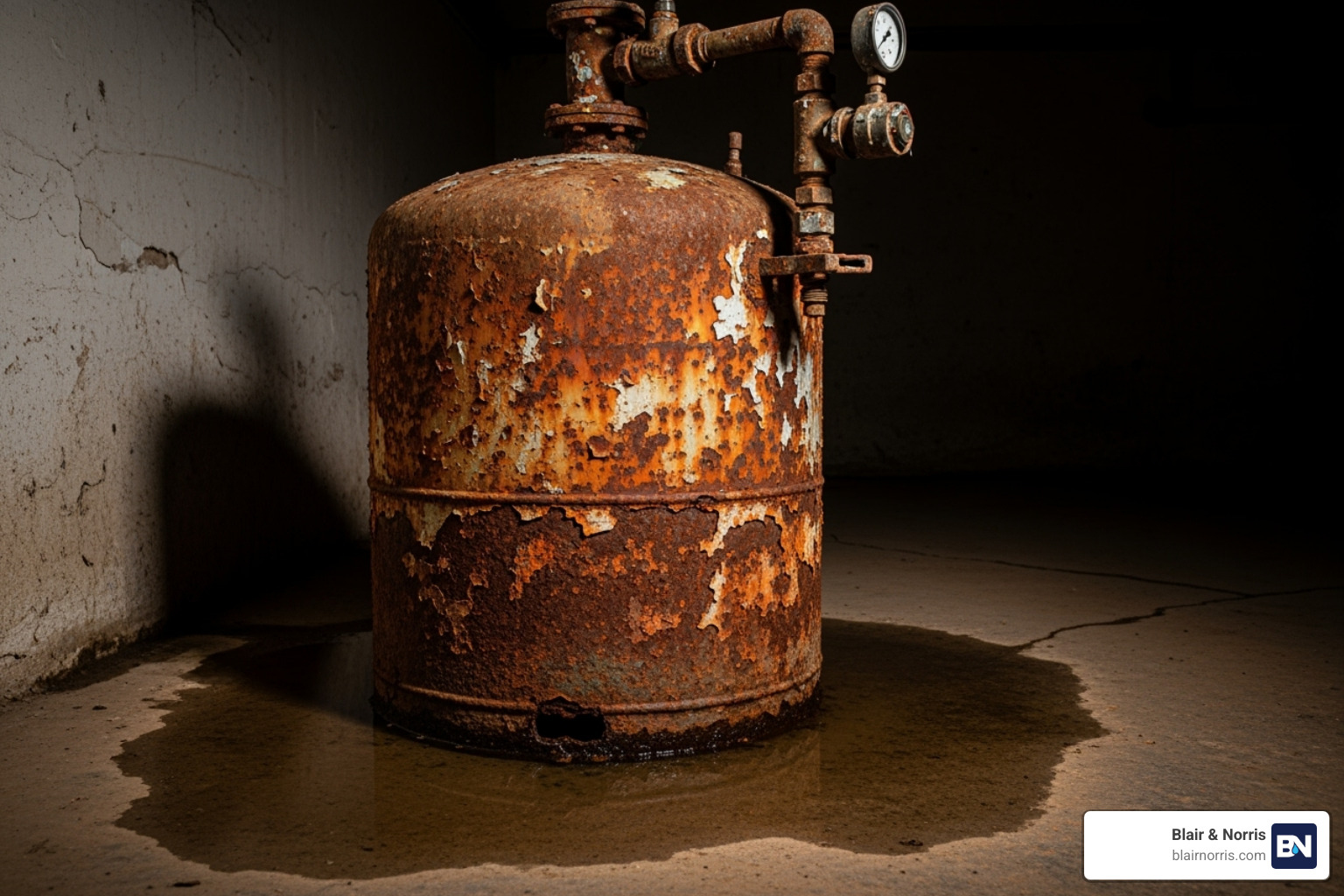
Spitting faucets are another telltale sign. When air bubbles come shooting out with your water, or your faucets make that distinctive spitting sound, it usually means the air-water separation inside your tank has broken down. You might also notice visible rust or corrosion on the tank exterior, particularly around the base where water tends to pool if there’s a leak.
How Long Do Well Pressure Tanks Last?
Most pressure tanks live a respectable 15-year life, though I’ve seen them range anywhere from 10 to 25 years depending on how they’re treated. The variation comes down to several key factors that either pamper your tank or put it through the wringer.
Water quality is the biggest game-changer. If your water is acidic or loaded with minerals, it’s basically giving your tank a daily acid bath. According to the U.S. Environmental Protection Agency, contaminants in well water can affect not only your health but also your plumbing system. Even modern bladder tanks can suffer when sediment builds up and creates extra stress on the system. On the flip side, homeowners with naturally clean, neutral water often get decades of reliable service.
Usage patterns matter too. A tank that’s constantly cycling because of high water demand or improper sizing will burn out faster than one serving a modest household with reasonable water habits. Think of it like a car – city driving with constant stop-and-go wears things out faster than steady highway cruising.
The tank material and construction quality also play starring roles. Higher-end tanks with robust internal components and quality steel construction naturally outlast their budget counterparts. Finally, maintenance frequency can make or break your tank’s lifespan. A little annual attention can stretch a good tank well beyond its expected years, while neglect can cut even a premium tank’s life short.
For a deeper dive into tank longevity, check out How Long Does A Well Pressure Tank Last? to better understand what affects your specific situation.
Choosing the Right Replacement Tank for Your Home
When it comes to well pressure tank replacement near me, picking the right tank can feel overwhelming with all the options available. But here’s the truth: it’s not just about grabbing any tank off the shelf. The right choice will serve your family reliably for years, while the wrong one could leave you dealing with the same problems all over again.
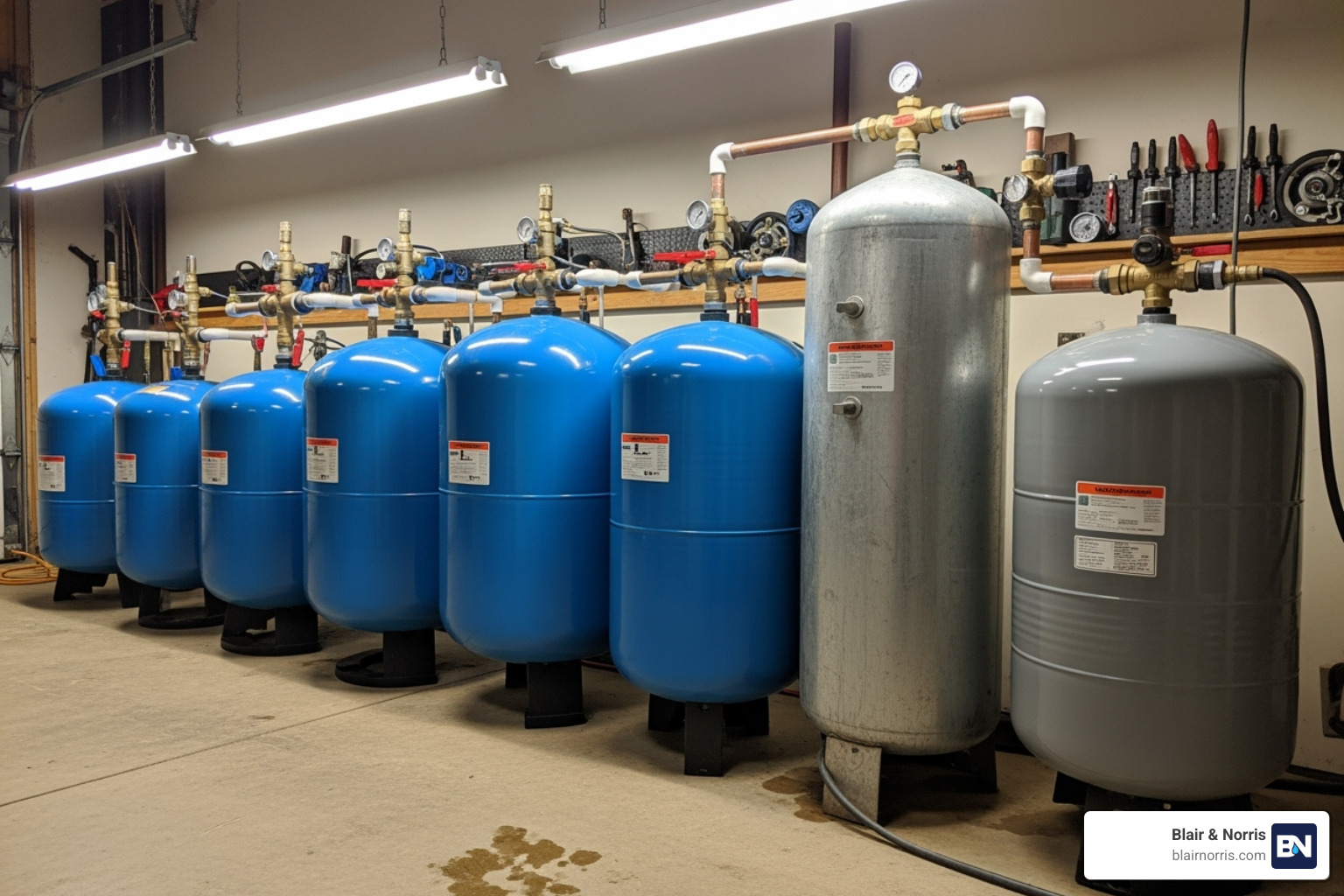
Think of it like buying shoes – you wouldn’t just grab any size, right? Your pressure tank needs to fit your home’s water usage just as precisely. Bladder tanks and diaphragm tanks are the two main types you’ll encounter today, and both offer excellent reliability compared to older steel tanks that could rust from the inside out.
The drawdown capacity is what really matters – that’s how much water the tank can deliver before your pump kicks back on. A tank with better drawdown capacity means your pump flow rate (GPM) works more efficiently, and you get consistent water pressure whether you’re washing dishes or taking a shower.
How to select the right size for your well pressure tank replacement near me
Here’s where many homeowners get tripped up – they assume bigger is always better, or they go too small to save money upfront. Neither approach works well in the long run.
Your pump’s GPM rating is the starting point. If you have a 10 GPM pump, for example, you want it to run for at least one minute each cycle to avoid overheating. This minimum runtime requirement directly affects what size tank you need.
Pressure switch settings play a huge role too. Most homes use 40/60 psi settings, meaning your pump turns on at 40 psi and off at 60 psi. The bigger that pressure difference, the more water you can draw from the tank before the pump starts up again. Your tank’s air pressure should sit about 2 psi below the cut-in pressure – so 38 psi for a 40/60 system.
Household water demand is where you get honest about your family’s habits. Do you have teenagers taking long showers? Multiple bathrooms being used simultaneously? A large garden that needs watering? These real-world factors matter more than any sizing chart.
Most Indianapolis homes do well with tanks between 44 and 80 gallons, though I’ve seen situations where smaller or larger tanks made more sense. Horizontal vs. vertical tanks is usually just a matter of space – they perform the same, so choose based on where you can fit it in your basement or well house.
Benefits of Upgrading to a Larger Tank
I’ll be straight with you – spending a bit more on a larger tank is one of the smartest investments you can make for your well system. The math just works in your favor.
Fewer pump cycles is the big winner here. Instead of your pump turning on every time someone flushes a toilet, a larger tank gives you a nice buffer of stored water. I’ve seen pumps last 5-10 years longer when paired with properly sized larger tanks.
Extended pump life translates directly to money in your pocket. Well pumps aren’t cheap to replace, and the labor to pull them from deep wells adds up quickly. When your pump only runs when it really needs to, all those expensive electrical and mechanical components experience less stress.
Reduced energy costs might surprise you with how much they add up. Your well pump is probably one of the biggest electricity users in your home. Cut its runtime in half, and you’ll see the difference on your electric bill.
Larger water reserve becomes really valuable during peak usage times. Ever notice how water pressure drops when someone starts the dishwasher while you’re in the shower? A bigger tank smooths out those demand spikes.
Improved water pressure consistency makes daily life more pleasant. No more temperature fluctuations in the shower when the pump kicks on, and your appliances work more efficiently with steady pressure.
The upfront cost difference between a 44-gallon and 80-gallon tank might be $200-300, but the long-term savings in pump life and energy costs typically pay for that difference within a few years. For more detailed guidance on setting up your entire system efficiently, check out Your Guide to Installing a Well Pump: Types, Costs, and Maintenance.
The Replacement Process: DIY vs. Professional Well Pressure Tank Replacement Near Me
When your pressure tank starts acting up, you might be tempted to roll up your sleeves and tackle the replacement yourself. After all, how hard could it be? Well, let me tell you from three decades of experience – well pressure tank replacement near me searches often start with good DIY intentions but end with emergency service calls.
Replacing a pressure tank involves both plumbing and electrical work. You’ll need to shut off power to your well pump, drain the system, disconnect electrical connections, and handle pressurized water lines. One wrong move can flood your basement or damage your electrical system.
The DIY approach requires intermediate plumbing skills and a solid understanding of electrical systems. You’ll need pipe wrenches, Teflon tape, electrical connectors, and potentially a crane or heavy-duty dolly – these tanks can weigh 200+ pounds when full. The process typically takes 4-6 hours for someone with experience, but could stretch much longer for a first-timer.
Professional installation, on the other hand, brings expertise and peace of mind. A qualified technician can diagnose your entire system, not just replace the tank. They’ll ensure proper sizing, check your pressure switch settings, and verify that everything works correctly before leaving your home.
The cost difference might seem significant at first glance. DIY replacement costs around $300-800 for the tank alone, while professional service ranges from $425-1,915 including the tank and installation. However, factor in the warranty protection, safety assurance, and the risk of costly mistakes, and professional installation often proves more economical in the long run.
Can I Replace a Well Pressure Tank Myself?
Technically, yes – if you have intermediate plumbing and electrical skills. But here’s what most homeowners don’t realize: well pressure tank replacement involves more than just swapping out equipment. You’re working with pressurized water systems and 220-volt electrical connections.
The biggest risks include water damage from improper connections, electrical shock from wet conditions, and choosing the wrong tank size. I’ve seen DIY attempts result in flooded basements, damaged well pumps, and even electrical fires. These mistakes can cost thousands more than professional installation.
If you’re determined to go the DIY route, at minimum you should have experience with both plumbing and electrical work. You’ll also need to understand How to Replace a Well Pressure Tank safely and completely.
What to expect when you hire a professional for well pressure tank replacement near me
When you call a professional for well pressure tank replacement near me, you’re getting much more than just installation. The process starts with a complete system diagnosis to identify the root cause of your tank failure and check for any related issues.
Your technician will recommend the proper tank size based on your pump’s flow rate, your household’s water usage, and your pressure switch settings. They’ll safely remove the old tank, properly dispose of it, and install the new one with all correct fittings and connections.
Professional installation includes system testing to ensure proper pressure settings, leak checks at all connections, and verification that your pump cycles correctly. Most reputable companies also provide warranties on both parts and labor, giving you protection if anything goes wrong.
The entire process typically takes 2-4 hours, and you’ll have your water system back up and running the same day. For emergency situations, many companies offer same-day service – something you definitely can’t get with DIY. If you need immediate help, consider Emergency Well Pump Service Near Me for urgent situations.
Conclusion: Get Your Water Pressure Back—Fast
If you’re dealing with short cycling, sputtering faucets, or pressure swings, don’t wait—protect your pump and restore steady water now. For expert, same-day well pressure tank replacement in Central Indiana, call Blair & Norris or request a fast estimate today. Call us or visit our contact page: https://blairnorris.com/contact/.