
Diagnosing Pressure Loss: Repair vs. Replacement Indicators
Low water pressure can disrupt your daily household routine, making simple tasks like showering, running the dishwasher, or watering the lawn frustrating. In Boone County, private groundwater systems rely on a precise balance between the mechanical pump suspended deep inside the well casing and the pressurized delivery infrastructure within your home. When water pressure drops suddenly or steadily degrades over weeks, you must determine whether an isolated surface component has malfunctioned or the down-hole pump assembly has reached the end of its operational lifespan.
Surface-level plumbing and electrical accessories frequently cause abrupt pressure drops. A mechanical pressure switch with oxidized contact points, a clogged whole-house sediment filter, a faulty check valve, or a waterlogged pressure tank bladder can produce symptoms that closely mirror motor failure. When a well pump is not working, systematic testing of the electrical control box, checking line voltage, and inspecting the air pre-charge inside the pressure tank often isolate the issue without the need to pull hundreds of feet of drop pipe from the well casing.
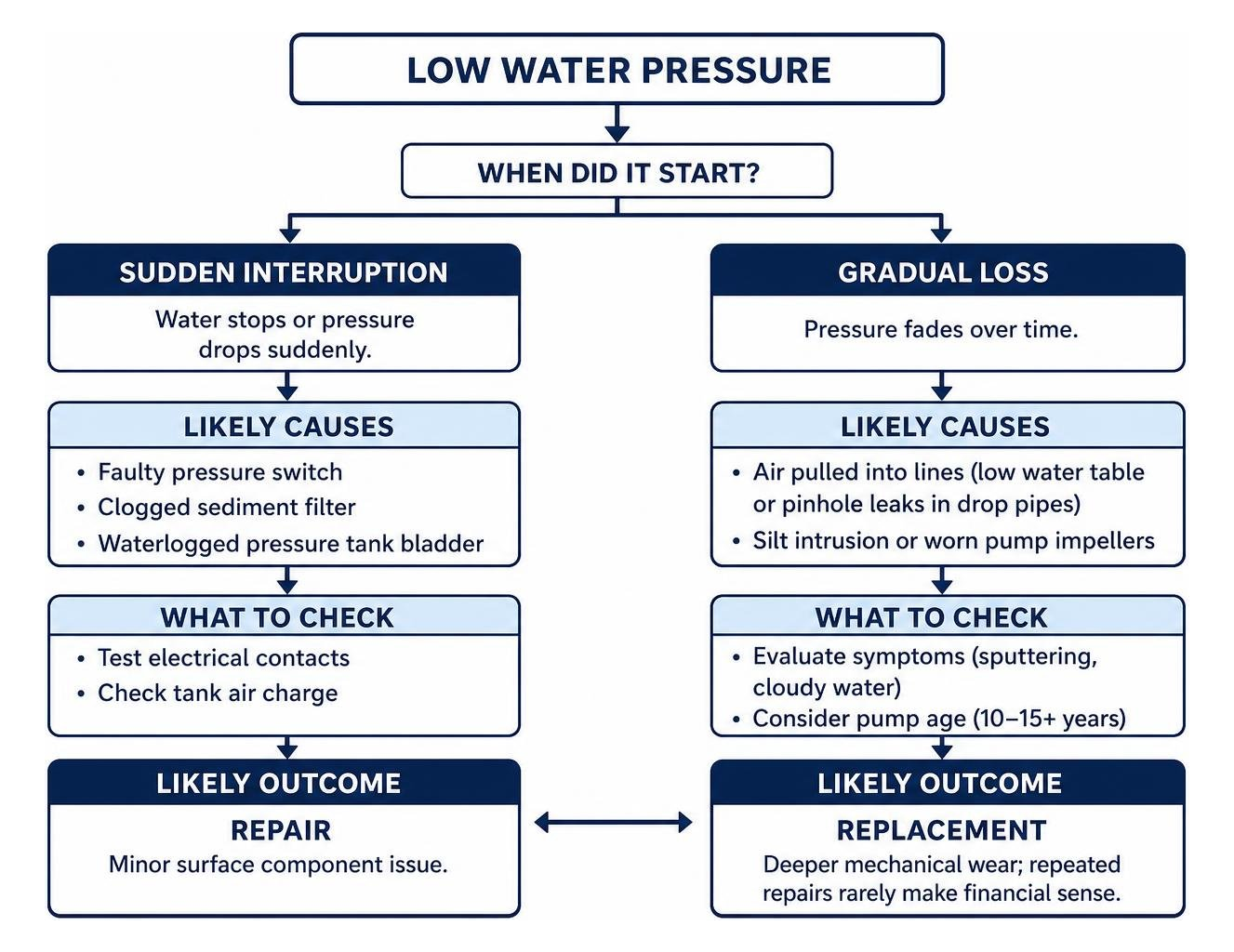
When faucets begin sputtering air or your water turns cloudy with fine grit, mechanical wear deep below ground is typically to blame. Sputtering indicates that air is entering the distribution lines. This occurs when local water tables decline below the pump intake level or when the down-hole drop pipe develops pinhole corrosion. Cloudy water and fine sand indicate silt intrusion in the aquifer or physical degradation of the pump diffusers and impellers. Homeowners can review our complete well pump troubleshooting guide to evaluate these symptoms accurately. When a pump exceeds ten to fifteen years in service, repeated minor repairs rarely provide a lasting solution compared to a modern, efficient replacement.
Critical Signs Requiring a Full Well Pump Installation Zionsville Homeowners Must Know
Certain system failures indicate irreversible mechanical damage that demands a full pump replacement:
- Motor Burnout: High electrical surges, lightning strikes, age-related insulation breakdown, or prolonged thermal overload can permanently short the submersible motor windings.
- Rapid Pressure Cycling: When the pump short-cycles on and off every few seconds during active water use, the pressure tank has lost its air cushion and the motor risks rapid thermal failure.
- Dry Running Damage: If seasonal drought or heavy usage drops the water level below the intake screens, operating the pump without water cooling melts internal diffusers and seizes the drive shaft.
- Drop Pipe and Casing Corrosion: Severe mineral scale and rust on older galvanized drop pipes cause pipe wall thinning, structural collapse, and loss of prime down the well bore.
- Excessive Electrical Draw: A motor drawing amperage significantly above its rated running load points to failing internal bearings or a bound impeller stack.
Sizing and Flow Rate Calculations for Boone County Aquifers
Correct pump sizing is vital for ensuring steady household pressure and maximizing equipment longevity. Installing an oversized pump causes rapid cycling that burns out start capacitors and control contacts, whereas an undersized pump runs continuously under heavy load, failing to maintain water delivery across multiple open fixtures.
Accurate sizing requires calculating your home peak water demand alongside Total Dynamic Head (TDH). Peak demand measures gallons per minute (GPM) based on total fixture units operating simultaneously. A modern home with three bathrooms, high-efficiency laundry appliances, outdoor hose bibbs, and an automated lawn irrigation system generally requires a continuous delivery rate of 10 to 15 GPM.
Total Dynamic Head accounts for three core variables: the vertical lift distance from the lowest pumping water level to the indoor pressure tank, the friction head loss generated as water flows through the drop pipe, pitless adapter, and lateral lines, and the target household operating pressure (typically 40 to 60 PSI). Boone County aquifers feature varied glacial drift and bedrock formations with distinct recharge characteristics. Calculating exact TDH ensures your new submersible pump operates precisely within its optimal manufacturer efficiency curve.
Selecting the Proper System for Well Pump Installation Zionsville Properties
Matching the appropriate pump design to your specific well depth and household demand guarantees dependable water volume, quiet operation, and lower monthly utility costs. We evaluate three primary equipment options to give homeowners a clear good, better, and best range tailored to well construction, water depth, and performance requirements.
- Good (Shallow or Deep-Well Jet Pumps): These units utilize surface-mounted suction motors paired with down-hole ejector assemblies. They are best suited for shallow aquifers with water levels under 50 feet. While jet pumps offer an affordable upfront price point, they deliver lower energy efficiency, generate noticeable mechanical noise inside the home, and struggle with deep water tables.
- Better (Standard Submersible Well Pumps): These multi-stage centrifugal units are submerged completely beneath the dynamic water level inside the well casing. By pushing water upward rather than pulling it via suction, submersible pumps achieve superior mechanical efficiency, silent indoor operation, and exceptional durability across well depths ranging from 50 to more than 400 feet.
- Best (Constant Pressure / Variable Frequency Drive Systems): An advanced submersible system equipped with an intelligent variable frequency drive (VFD) controller. The VFD monitors household water demand in real time and adjusts motor RPM smoothly. Whether you are running a single sink faucet or three showers and a washing machine at once, delivery pressure remains flat and consistent.
| System Type | Best Depth Range | Average Efficiency | Operating Noise Level | Pressure Consistency |
|---|---|---|---|---|
| Jet Pump | 0 to 50 ft (Shallow) / up to 100 ft (Deep) | Moderate | Moderate to Loud | Standard (cycles 40/60 PSI) |
| Standard Submersible | 50 to 400+ ft | High | Silent in home | Standard (cycles 40/60 PSI) |
| Constant Pressure (VFD) | 50 to 500+ ft | Maximum | Silent in home | Constant (flat PSI at all times) |
Proper hardware setup protects your long-term investment. When drilling a new water well or expanding an existing water source, clean practices are essential. Using specialized equipment like Mud Puppy solids control systems ensures clean mud recycling and drilling, protecting the surrounding residential landscape and keeping drilling fluids contained throughout aquifer development.

Step-by-Step Breakdown of Well Pump Installation Zionsville Regulations and Steps
A professional well pump installation follows stringent mechanical, electrical, and sanitary procedures to deliver safe water and code compliance:
- Site Safety and Power Isolation: Technicians test and isolate all high-voltage electrical circuits at the main panel, locking out power before opening the wellhead or control boxes.
- Pulling the Old Assembly: Using a specialized mobile pump-hoist truck, the worn drop pipe, submersible motor, torque arrestors, and underwater electrical wiring are extracted vertically without scraping or damaging the structural casing walls.
- Borehole Depth Sounding and Static Inspection: Ultrasonic or weighted line sounding verifies total well depth, static water level, and recovery flow rate to confirm optimal placement depth for the new intake assembly.
- Assembling the New Pump String: The new stainless-steel submersible pump connects to heavy-duty schedule-rated drop pipe, brass check valves, stainless safety cables, and heat-shrink waterproof electrical splices.
- Torque Arrestor and Centralizer Placement: Rubber torque arrestors are secured along the drop pipe to absorb rotational motor starting torque, preventing the pump body from striking the interior well casing.
- Sanitary Well Cap Installation: The entire assembly is lowered into position and secured with a certified sanitary well cap and pitless adapter, forming a hermetic barrier against surface runoff, insects, and debris.
- Pressure Tank and Switch Calibration: The indoor diaphragm pressure tank is checked and pressurized to exactly 2 PSI below the mechanical cut-in setting of the pressure switch.
- Sanitization and Flow Testing: The system undergoes chlorination in accordance with state guidelines, followed by comprehensive flow capacity, amp draw, and line pressure testing.
Well Systems vs. Standard Plumbing: Why DIY Poses Major Risks
Replacing a residential well pump differs significantly from fixing standard indoor plumbing fixtures. Municipal water plumbing operates on pre-pressurized distribution mains, while private well systems integrate heavy down-hole mechanical equipment, structural hydrologic physics, and dedicated 240-volt electrical controls.
Attempting a do-it-yourself pump extraction or installation creates substantial financial and physical hazards. Dropping hundreds of pounds of pipe down a 150-foot casing can crush the well screen, ruin the borehole, and necessitate drilling an entirely new well. Incorrect wiring can burn out a new motor instantly or cause dangerous ground faults. Furthermore, failing to seal the wellhead correctly allows bacteria and surface contaminants to enter your potable drinking water. When sudden equipment failure disrupts your water supply, contacting an emergency water well service ensures your water system is restored safely and promptly.
Cost Variables and Maintenance Essentials for Long-Term Reliability
The overall financial investment required for a professional well pump replacement depends on several technical specifications unique to your property:
- Well Depth and Water Column Height: Deep wells require high-horsepower multi-stage motors, heavier gauge copper wiring, and structural drop pipes rated for elevated hydrostatic pressure.
- Pump Horsepower and Build Quality: Residential motors range from 1/2 horsepower for smaller ranch homes to 3 or 5 horsepower for expansive multi-story estates with heavy outdoor irrigation demands.
- Drop Pipe Material: Upgrading degraded poly line or corroded galvanized pipe to thick-walled schedule 80 PVC or high-density flexible polyethylene prevents catastrophic down-hole pipe failure.
- Pressure Tank and Control Infrastructure: Pairing the pump with a modern composite pressure tank, digital pressure switch, or variable frequency drive controller increases initial equipment costs but significantly reduces long-term motor wear.
To explore realistic pricing estimates and equipment tiers for your specific property, review our comprehensive local well pump replacement cost guide.
Preventive Maintenance and Water Resource Protection
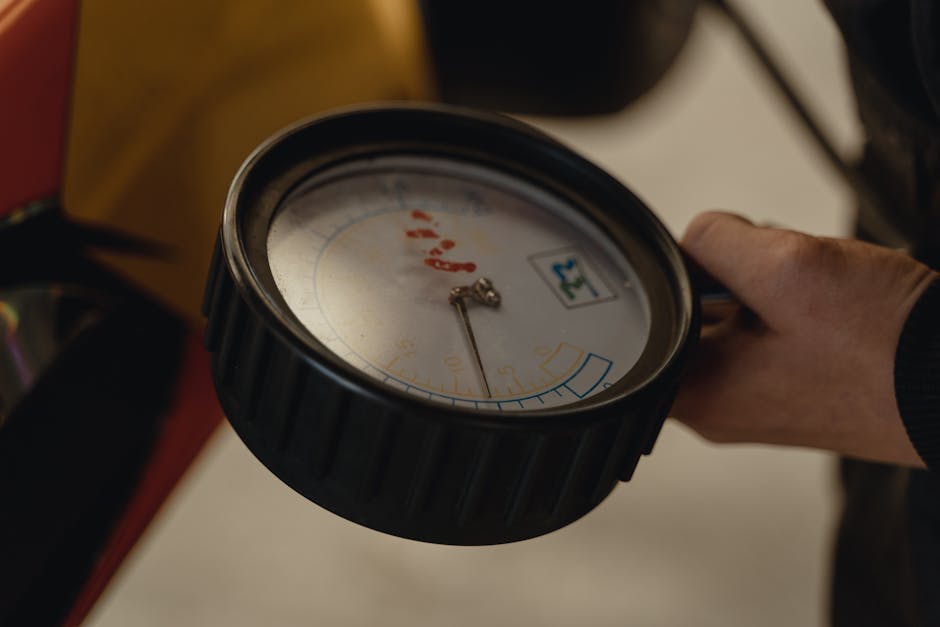
Routine maintenance protects your pump equipment and preserves household water quality. Inspect your mechanical pressure gauge every month to verify that cut-in and cut-out cycles remain consistent with switch settings. Check the pressure tank air valve quarterly for signs of internal diaphragm failure or water accumulation. In addition, schedule professional drinking water testing annually to screen for coliform bacteria, nitrates, and mineral hardness.
Preserving clean groundwater extends beyond the wellhead itself. Private water wells share regional aquifers with surrounding residential and commercial wastewater systems. Proper property care includes routine septic tank pumping to keep drain fields clear and prevent nitrates from leaching into the water table. Blair & Norris focuses on comprehensive septic system service, cleaning, and pumping to maintain healthy residential waste lines.
Commercial property managers must also maintain rigorous wastewater standards to safeguard local groundwater. Facilities operating commercial grease traps must perform regular pumping to prevent fats, oils, and grease from overloading local municipal infrastructure or private drainage basins. Similarly, businesses managing car wash drainage pits require regular sediment and hydrocarbon removal to stop runoff from infiltrating shallow subsurface soils. Keeping commercial and residential wastewater systems thoroughly serviced protects the shared aquifer that supplies your drinking water.
Frequently Asked Questions About Zionsville Well Systems
How long does a standard well pump replacement take to complete?
A standard residential well pump replacement generally takes between three and six hours. This timeframe encompasses pulling the existing pump and drop pipe, performing down-hole depth sounding, assembling the new pump string with check valves and torque arrestors, setting the unit at the calculated depth, wiring control boxes, calibrating indoor pressure tanks, and running flow tests to ensure clean, consistent water pressure throughout your home.
What permits and code standards apply in Indiana?
Well pump installations, water system retrofits, and borehole work across Indiana must strictly adhere to regulations established by the Indiana Department of Natural Resources Division of Water alongside local county health department sanitary codes. Indiana requires certified water well drillers and pump installers to perform down-hole mechanical operations. This ensures that wellhead sanitary seals, setback distances, and aquifer protection protocols comply with state law.
How many years should a residential well pump last?
A quality submersible pump operating in favorable water conditions delivers an average service life of 10 to 15 years. Longevity depends heavily on water quality, sand content, and proper tank sizing. Homes with correctly sized pressure tanks that prevent rapid motor cycling achieve the longest equipment lifespans.
How can I protect my wellhead during freezing Indiana winters?
Ensure your well casing extends at least 12 inches above the final ground grade and that your pitless adapter is installed below the local frost line (typically 36 to 42 inches in Central Indiana). Insulate exposed piping in unheated crawl spaces or outbuildings, and make sure your sanitary well cap is tightly sealed against freezing drafts and moisture intrusion.
What should I do during an unexpected water outage?
First, check your home electrical breaker panel to see if the well pump circuit has tripped. If resetting the breaker causes an immediate trip, do not force it, as this indicates a dead short or seized motor. Check for water around your pressure tank and confirm the pressure switch contacts are closed. If troubleshooting does not restore water, contact a licensed professional immediately to diagnose down-hole components.
Conclusion
Dependable water pressure is essential for your home comfort, daily sanitation, and peace of mind. Selecting the right pump system, properly calculating flow rates for your household, and ensuring sanitary installation practices protects your plumbing investment and preserves the health of the local aquifer.
As your local Central Indiana provider, Blair & Norris brings over 75 years of family-owned experience to every residential and commercial project. We deliver prompt, professional well pump installations and provide 24/7 live phone support to keep your water running smoothly in every season. You can read firsthand feedback from local homeowners by exploring our verified Google Reviews.
Contact Blair & Norris today for an accurate estimate on our complete well and pump services and restore steady, dependable water pressure to your Zionsville home.