
Why Quick Well Pump Diagnosis Saves Time and Money
Well pump problems can leave you without water when you need it most. Whether you’re dealing with no water, low pressure, or strange noises, quickly identifying the issue helps you decide if it’s a simple fix or time to call a professional.
Common well pump problems and their quick indicators:
- No water – Check the power supply and circuit breaker first.
- Low water pressure – Inspect the pressure gauge (should read 40-60 PSI).
- Pump runs constantly – Look for leaks or a faulty pressure switch.
- Quick cycling on/off – Usually indicates a waterlogged pressure tank.
- Sputtering faucets – Air in the system from pipe leaks or a low water level.
- Dirty/bad tasting water – The pump may be drawing sediment or there could be bacterial growth.
- High electric bills – An overworking pump due to system problems.
Most homeowners can perform basic troubleshooting by checking electrical connections and inspecting visible components. However, issues involving the pump motor, electrical wiring, or pulling equipment from the well require professional expertise.
The key to fast diagnosis is working systematically. Start with the simplest checks before assuming the pump itself has failed. Many apparent pump problems are caused by other components like pressure switches or electrical issues.
I’m Mack Blair, and with over 30 years in the water system industry, I’ve diagnosed thousands of well pump problems across Central Indiana. Most issues can be identified quickly with the right approach, saving homeowners time and money.
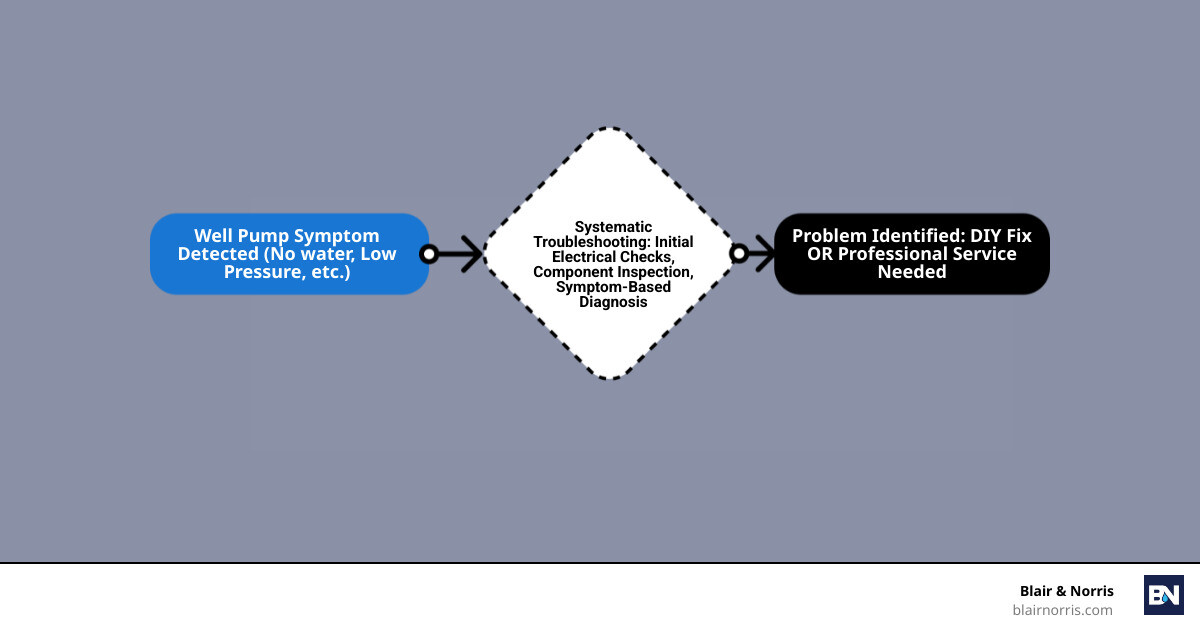
Explore more about well pump problems:
Step 1: Perform These Initial Checks Before Blaming the Pump
When your water stops flowing, it’s easy to assume your well pump has died. But after three decades of diagnosing well pump problems, I’ve learned the pump itself is often innocent. Many water issues have simple causes you can check yourself in minutes.
Before assuming an expensive pump repair is needed, let’s ensure your pump is getting power and rule out other culprits in your water system.
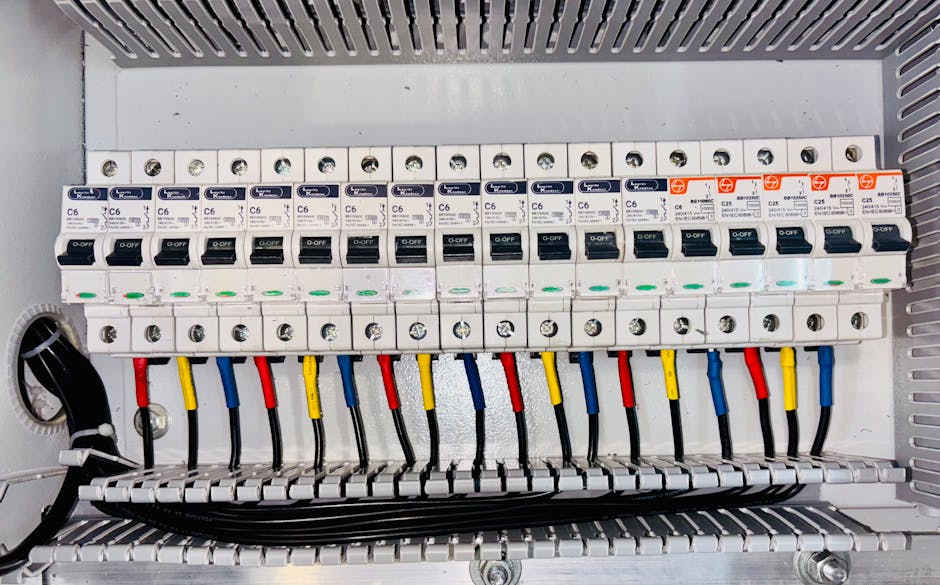
Troubleshooting Electrical Well Pump Problems
No power is a common reason a well pump stops working, but it’s often a simple electrical hiccup.
Start with your circuit breaker panel. Find the well pump breaker, which is usually a double-pole breaker (two connected switches) for 240-volt pumps. Has it tripped? A tripped breaker sits in the middle position. To reset it, push it firmly to OFF, then flip it back to ON.
Older homes may have fuses. Check for any blown fuses, which will look blackened or have a broken metal strip. Replace them with fuses of the exact same amperage rating.
Also, check your well switch. Many systems have a separate switch near the pressure tank that can be accidentally turned off.
If you have a submersible pump, look for obvious issues like burnt wires or loose connections at the control box. Warning: Well pumps use up to 240 volts, which can be deadly. If you’re not comfortable with electrical work, call a professional.
The well pump control box is the brain for submersible pumps. A failed box can prevent a perfectly good pump from starting. You might hear clicking or see burnt components inside. Control box issues require professional attention. Learn more about Well Pump Control Box Replacement.
Ruling Out Other Water System Issues
What looks like a pump problem is often something simpler and cheaper to fix.
First, check individual faucets. If only one faucet has low pressure, it’s a localized plumbing issue, not a well pump problem, which would affect the entire house.
Clogged sediment filters are common culprits. They trap debris but can get clogged, reducing water flow. Try bypassing your filters temporarily. If pressure returns, you’ve found the problem. Most filters need replacement every 3-6 months.
Water softeners can cause similar issues if they malfunction. Bypass the softener to see if pressure improves.
This systematic approach saves time and money. If these initial checks don’t solve the problem, you can then focus on the pump and pressure system components.
Want to understand how these parts work together? Our guide on How Does a Well Pump Work? provides a full picture of your water system.
Step 2: Diagnosing Common Well Pump Problems by Symptom
After ruling out simple electrical and plumbing issues, it’s time to interpret what your well system is telling you. Well pump problems often have distinct symptoms, each pointing to specific causes.
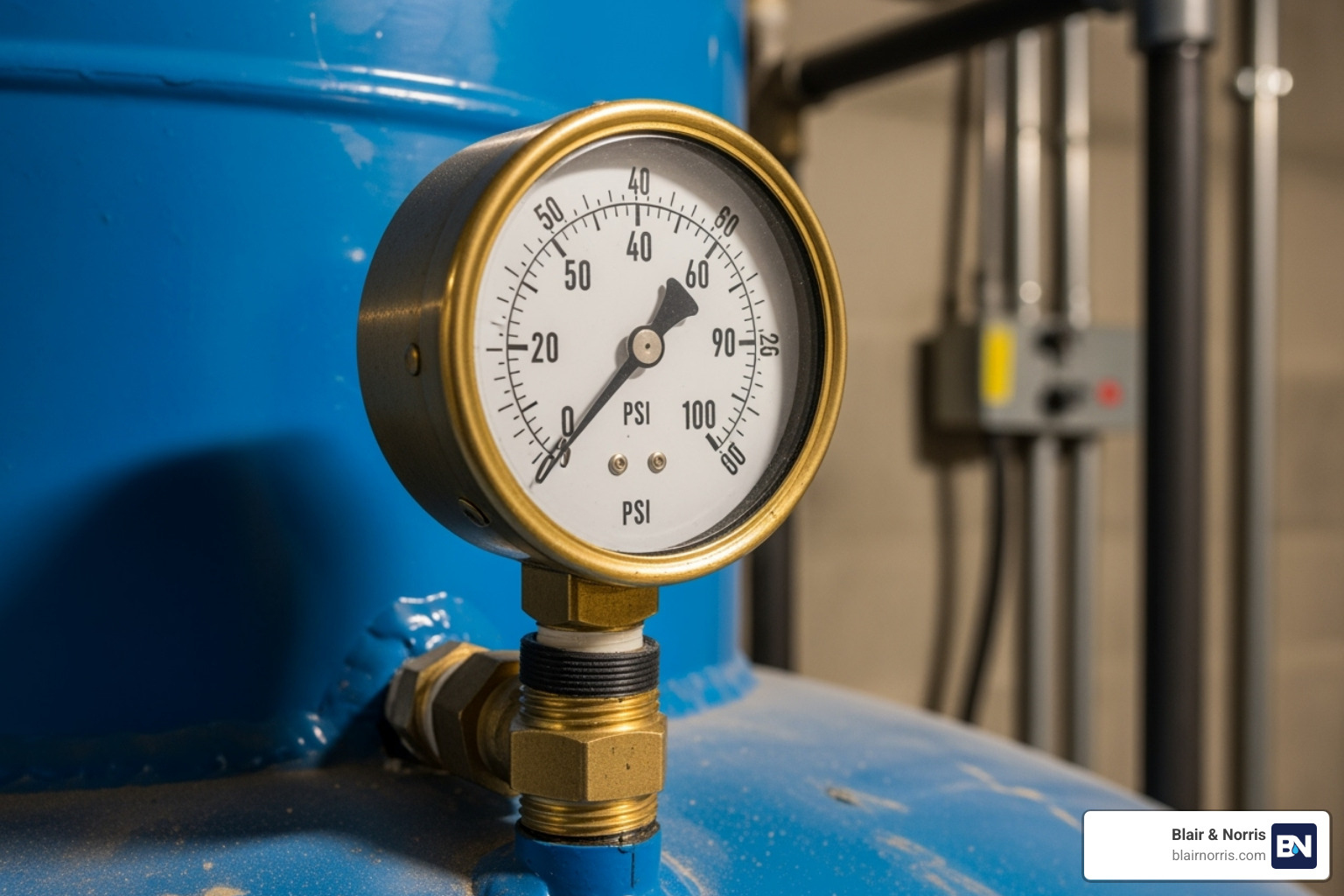
Recognizing these signs is crucial for an accurate diagnosis. For a broader overview, see our guide on 8 Well Pump Problems and How to Avoid Them.
Low or No Water Pressure
This is a frustrating symptom. Your pump age is a key factor; most pumps last 8-15 years and lose efficiency over time. Clogged pipes or a clogged well screen can also restrict flow as minerals and sediment build up. The pressure tank or pressure switch could also be the culprit. If the switch is faulty or its settings are wrong, the pump won’t build enough pressure. A healthy system’s pressure should be between 40-60 PSI. A zero reading on the gauge confirms a system failure.
Pump is Constantly Running
A pump that won’t shut off leads to high energy bills and premature wear. The most common cause is a water leak somewhere in your system, from the main line to a running toilet. The pump keeps running because it can’t reach its shut-off pressure. A faulty pressure switch can also get stuck in the “on” position. Lastly, a worn-out pump may simply lack the power to build enough pressure. Drop pipe leaks or a failed foot valve can also cause the pump to lose its prime and struggle.
Don’t let a continuously running pump go unchecked. Find solutions in our guide to Stop a Continuously Running Pump.
Pump is Quick Cycling (Turning On and Off)
This symptom, known as “short cycling,” is when the pump turns on and off every few seconds. A waterlogged pressure tank is almost always the cause. The tank’s internal air bladder separates air and water. When it ruptures, the tank fills with water, removing the air cushion. This causes the pump to turn on with any water use and shut off immediately as pressure spikes. This rapid cycling, often accompanied by a continuous clicking sound, will quickly wear out the pump motor. A faulty pressure switch or a low water level in the well can also cause this issue.
Don’t ignore short cycling. Learn more warning signs in our article on 5 Telltale Signs You Might Need a New Well Pump.
Sputtering Faucets, Dirty Water, or Bad Odors
These symptoms are red flags that need immediate attention. Sputtering faucets mean air is getting into your pipes, likely from a crack in the drop pipe or a bad pump seal. A low well water level can also cause the pump to suck in air.
Dirty or cloudy water indicates the pump is pulling up sediment. This can happen if the pump is too powerful, installed too low, or if the well screen has deteriorated. Bad odors or tastes are serious warnings. A rotten egg smell often points to sulfur bacteria, as noted by the Minnesota Department of Health. A metallic taste can mean iron is dissolving from a corroded well casing or pump. Do not drink the water until a professional has inspected the system.
Step 3: Inspecting Key Well System Components
Now let’s examine the heart of your well system. Often, what seems like a major well pump problem is actually an issue with a supporting component like the pressure tank or pressure switch. When one of these fails, it can make the whole system appear broken.
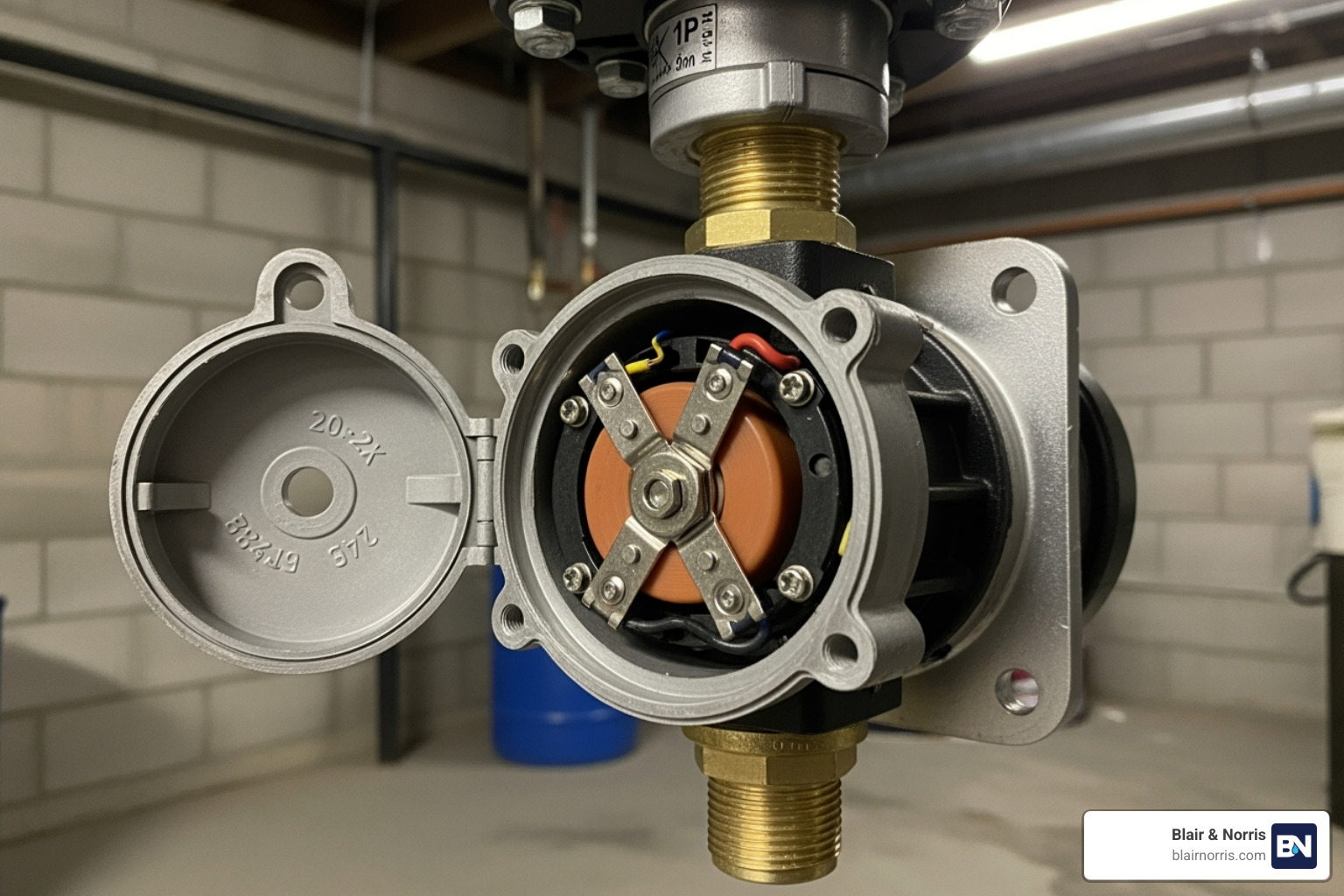
Understanding these parts can save you from replacing a good pump. Our Well Pump Setup guide provides a helpful visual overview.
The Role of the Pressure Tank
Your pressure tank stores water under pressure, so your pump doesn’t have to run every time you open a faucet. This prevents constant cycling that wears out the pump motor. Most modern tanks contain a synthetic rubber bladder that separates compressed air from water, creating a pressure cushion.
Testing for a waterlogged tank is straightforward. First, turn off power to the pump at the circuit breaker. Find the Schrader valve on the tank (it looks like a tire valve). With the tank empty of water, use a tire gauge to check the air pressure. It should be 2 PSI below your pump’s cut-on pressure (e.g., 38 PSI for a 40 PSI cut-on). Now, press the pin on the valve. If water sprays out instead of air, the bladder has failed and the tank is waterlogged. A tank that feels extremely heavy and won’t rock is also likely waterlogged.
Most pressure tanks have an average lifespan of about 15 years. If yours is old and failing, replacement is often the best option.
How to Check the Pressure Switch
The pressure switch is a small box, usually near the pressure tank, that tells the pump when to start and stop based on water pressure.
Before touching this component, turn off power to the well pump at the circuit breaker. This is a high-voltage device, and safety is paramount.
With the power off, you can remove the switch cover. Inside, look at the electrical contact points. Over time, they can corrode or get pitted, preventing a good connection. If they look burnt or damaged, you’ve likely found the problem. The switch connects to the water line via a small tube or nipple that is prone to clogging with rust and sediment. A clog can prevent the switch from reading pressure accurately, causing it to run the pump too long or not at all.
Listen for clicking noises. A healthy switch makes a distinct “click” when the pump turns on and off. Constant chattering or no click at all indicates a problem. While the switch has adjustment screws, incorrect adjustments can damage your pump. It’s best to leave adjustments to a professional.
A faulty pressure switch replacement is an affordable fix, with the part costing around $25-$30. This simple repair can solve many complex-seeming well pump problems.
Step 4: Deciding Between Repair and Replacement
You’ve troubleshooted your well pump problems and identified the likely cause. Now you must decide: repair or replace? The choice typically depends on the pump’s age, the nature of the problem, and the cost.
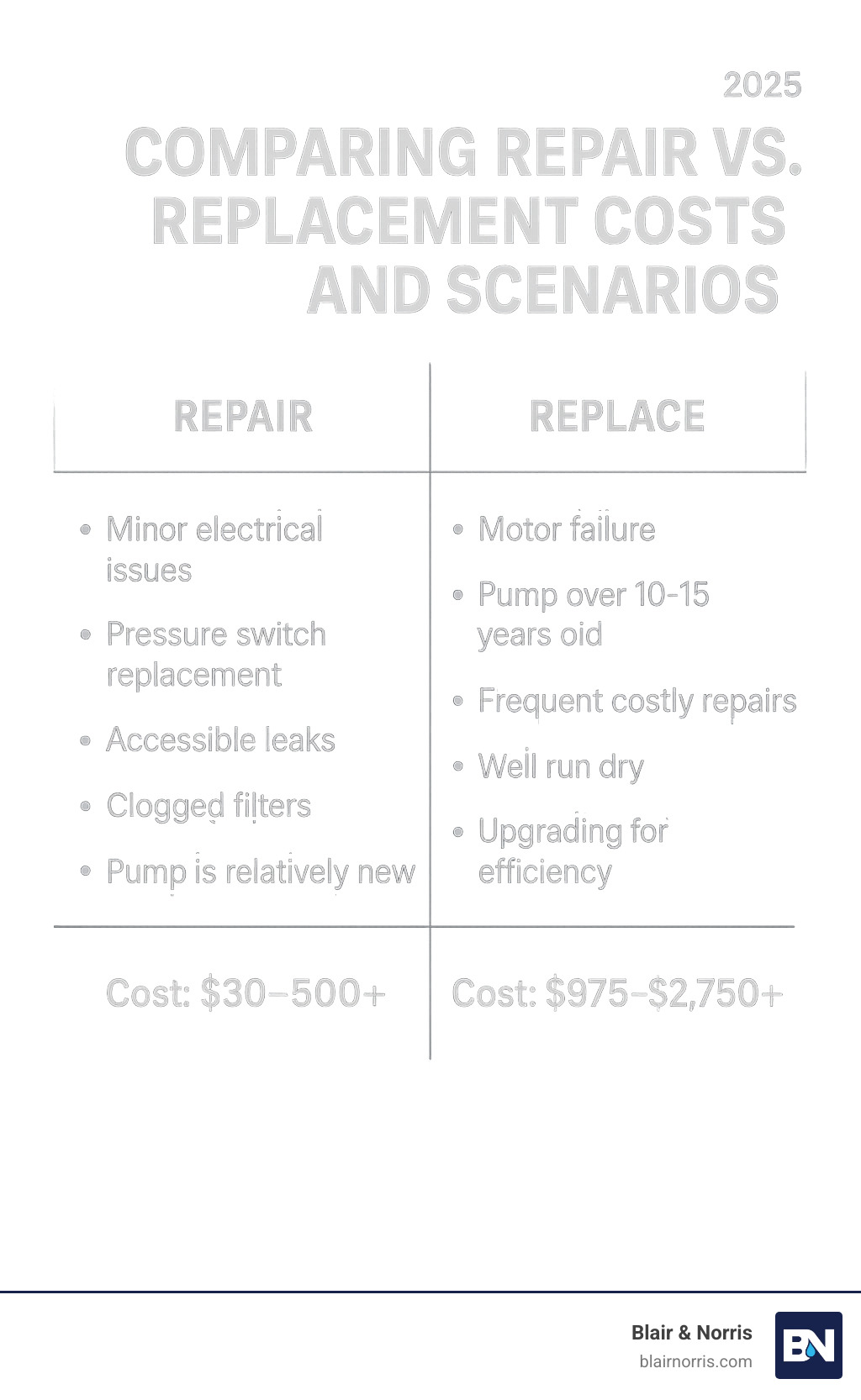
Simple fixes like a pressure switch replacement might cost $30-$500, while a full pump replacement can range from $975 to $2,750 or more. Understanding which category your issue falls into is key.
For a deeper dive, our guide on Well Pump Repair or Replacement: The Important Considerations walks through all the factors.
When to Repair Your Well Pump
Repair makes the most sense for minor electrical issues that haven’t damaged the pump motor. A pressure switch replacement is a common, cost-effective repair. Similarly, accessible leaks in above-ground piping or clogged filters are affordable fixes that can get your system running quickly.
The pump’s age is a major factor. If your pump is relatively new (less than 8-10 years old), the motor is likely still in good shape. Submersible pumps can last 8 to 15 years, with some reaching 20 years. When a newer pump acts up, it often indicates a problem with a supporting component, not the pump itself.
When to Replace Your Well Pump
Sometimes, investing more money in an old pump doesn’t make sense. Motor failure is often the final straw. If the pump hums but doesn’t move water, repeatedly trips the breaker, or makes grinding noises, the internal damage is likely too severe to fix.
Age is critical here. Once a pump is 10-15 years old, even small problems can be a warning of bigger failures to come. Frequent, costly repairs are another clear sign that it’s time for a replacement. If a repair estimate is approaching $1,000, that money is better invested in a new pump with a warranty.
Consider efficiency as well. Older, struggling pumps use more energy, leading to higher electric bills. Upgrading for efficiency can pay for itself over time. If your well has run dry, the resulting overheating often causes irreversible damage to the pump, making replacement the only reliable solution.
A new pump isn’t just a fix for today; it’s an investment in reliable water for the next decade. For help choosing the right model, see our guide on How to Select the Best Water Well Pump.
Frequently Asked Questions about Well Pump Issues
Over my three decades in the business, I’ve noticed the same well pump problems questions come up repeatedly. Here are the answers that have helped countless Indianapolis homeowners.
How can I tell if my well pump motor is bad?
A failing motor has several telltale signs. The most obvious is humming with no water flow, which means the motor is energized but can’t pump water. Repeatedly tripped breakers are another dead giveaway, as a struggling motor draws excessive electricity. For example, a pump that should draw 5 amps might pull 17 amps when it’s failing.
Overheating is also common. Some pumps have thermal protection that shuts them down when they get too hot. If your pump runs for a short time and then stops, overheating is a likely cause. Finally, strange noises like grinding or rattling point to worn internal bearings.
What is the most common cause of well pump failure?
Surprisingly, the pump itself is rarely the first component to fail. Most well pump problems begin with other parts that stress the pump to death.
Pressure switch failure is a top cause. A faulty switch can cause the pump to run continuously or cycle rapidly, wearing out the motor. Waterlogged pressure tanks are silent pump killers. When the internal bladder fails, the pump short cycles, starting and stopping constantly. This frequent starting burns out the motor.
Of course, age and normal wear eventually affect every pump. Submersible pumps last 8 to 15 years, while jet pumps last 8 to 10. Running dry is also devastating, as it causes the motor to overheat almost instantly.
The key takeaway is that many pump failures are preventable. Proper diagnosis of related components is crucial.
How much does it cost to fix a well pump?
The cost depends entirely on what’s broken. Catching small problems early can save you from the biggest bills.
- Pressure switch repairs are inexpensive. The part costs $25-$30, and labor is minimal if it’s accessible.
- Control box replacement for submersible pumps typically runs $200-$500, including parts and labor.
- Pressure tank replacement costs around $400 for an average tank, plus $125-$200 for installation.
- Full pump replacement is the major expense, usually between $975 and $2,750, depending on pump type and well depth.
Addressing small issues promptly is the smartest financial decision. A $30 switch replacement today can prevent a $2,000 pump replacement next month. To plan for these expenses, read our guide on What is the Average Life Expectancy of a Well Pump?
When to Call a Professional for Your Well Pump Problems
While it’s great to understand your system, some well pump problems require a professional. Knowing when to call for help is the smartest move a homeowner can make. I’ve seen well-meaning DIY attempts turn a simple repair into a major headache due to the unique challenges of well systems.
Safety comes first. Well pumps operate on high voltage electricity (up to 220 volts), creating a serious risk of electrocution, especially in wet conditions. There’s also the risk of contaminating your water supply if the well is opened improperly.
Diagnosing and repairing well systems often requires specialized equipment. Professionals use amp meters and other diagnostic tools for complex electrical issues. Pulling a submersible pump from a deep well requires specific winches and expertise to do safely.
Some well pump problems are too complex for DIY diagnosis, such as persistent dirty water or excessive current draw with no obvious cause. These often point to issues deep within the well that require professional assessment.
Here at Blair & Norris, we’ve served Central Indiana for over 75 years. As a family-owned business, we know water problems don’t keep business hours, which is why we offer 24/7 live phone support. We also emphasize The Importance of Water Well Maintenance to help prevent problems before they start.
For complex diagnostics or any repair involving pulling the pump, trust the experts. Whether you’re in Indianapolis, Carmel, Fishers, or Bloomington, Contact us for professional residential well pump repair when your well pump problems are beyond basic troubleshooting. We’re here to keep your water flowing.