
Why Winter Pressure Tank Problems Demand Your Immediate Attention
Winter pressure tank problems are one of the most common cold-weather well system disruptions for Central Indiana homeowners. As temperatures plummet, your well system’s pressure tank becomes vulnerable to failures that can leave you without water. Common issues include frozen pipes, loss of air pressure, pressure switch malfunctions, and ruptured internal bladders, all of which can lead to a complete loss of water.
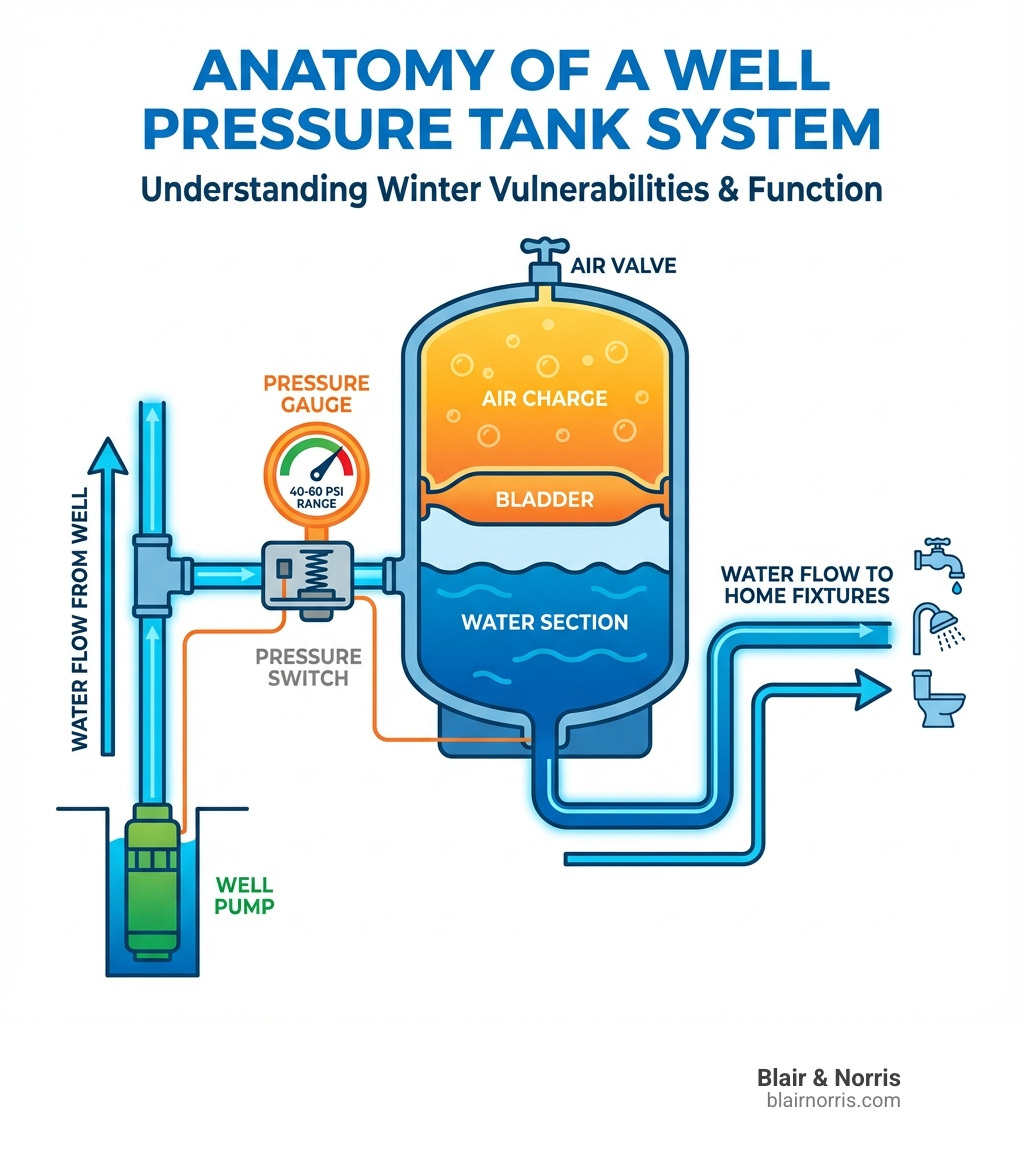
Your pressure tank is vital for a healthy well system, storing pressurized water to ensure consistent flow and prevent your pump from overworking. Cold weather stresses every component tied to your pressure tank, pipes, fittings, the pressure switch, and the tank’s internal bladder. In freezing conditions, exposed pipes can freeze faster than most homeowners expect, especially in drafty basements, crawl spaces, and well houses.
I’m Mack Blair, and for over 30 years, I’ve helped Central Indiana homeowners steer these challenges. Through decades of harsh Midwest winters, I’ve seen how a minor pressure tank issue can quickly become a major emergency if ignored. This guide will help you identify and address problems before they escalate.
Before You Troubleshoot: Key Preventative Maintenance Steps
Prevention is the best defense against winter pressure tank problems, especially before the first hard freeze. Taking proactive steps before Indiana’s cold weather arrives can save you from costly and inconvenient emergencies. Our approach focuses on proper insulation and inspection to get your system winter-ready.
To reduce winter pressure tank problems, start by insulating exposed pipes and protecting the pressure tank in any unheated space. Frozen water can impede or completely block your home’s water supply. At 32°F, pipes can freeze in under 12 hours; at 0°F, it can happen in just three. This expansion can crack the tank, leading to expensive repairs. For detailed guidance, see this article on How to Prevent a Water Tank from Freezing in Winter. Additionally, the Indiana Department of Health provides valuable Well Maintenance Tips for Indiana Homeowners that we encourage clients to review.
Protecting Your Tank from Freezing Temperatures
If your pressure tank is in an unheated basement, crawl space, or well house, keep that area consistently above freezing whenever possible.
Here’s how to protect your equipment:
- Insulate the Tank: An insulating blanket provides an extra layer of protection, slowing heat loss.
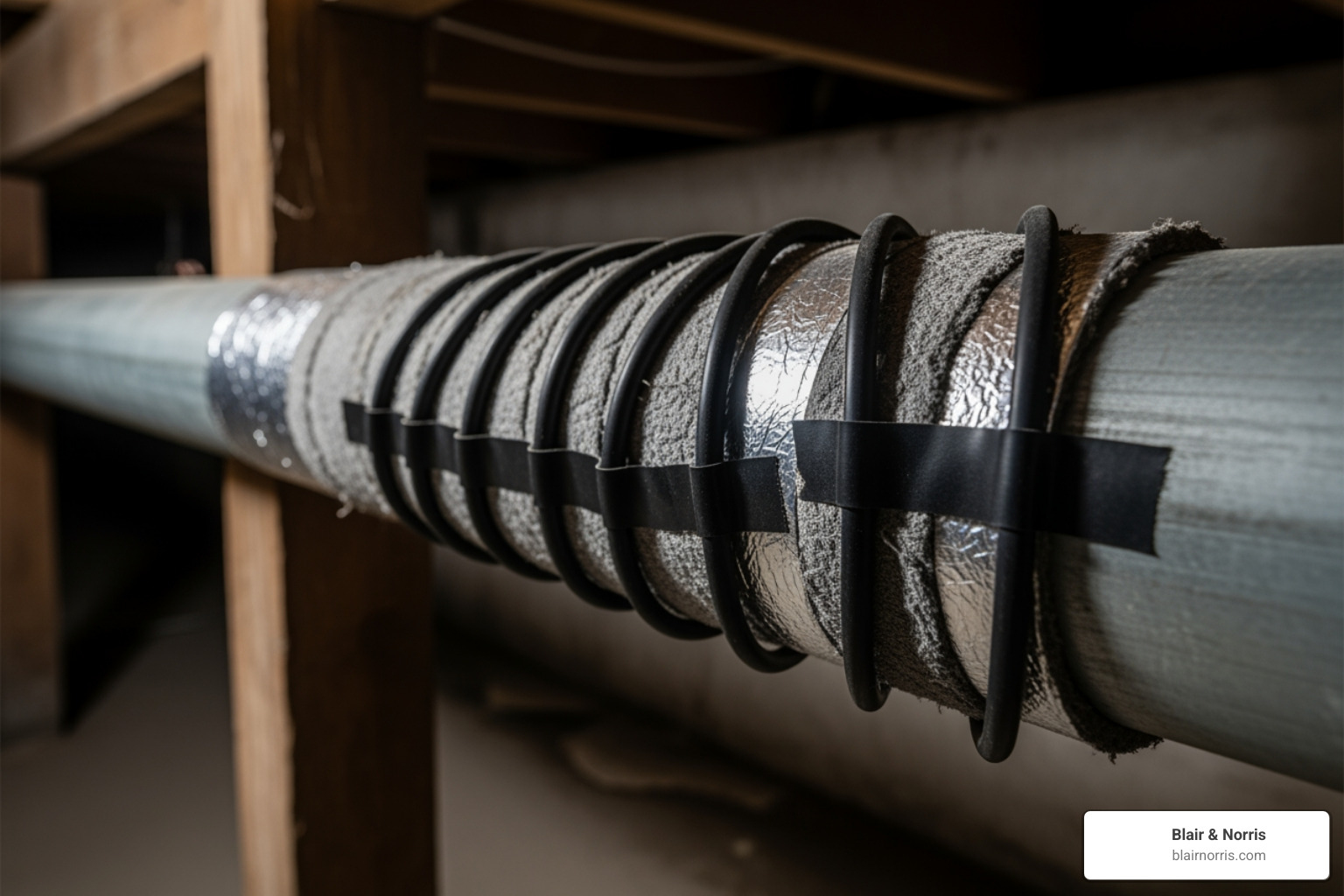
- Wrap Pipes: Use pipe insulation or heat tape on all pipes leading to and from the tank, especially those exposed to cold.
- Use Small Heaters: In unheated spaces, a small, thermostat-controlled heater set to 40°F can prevent freezing without high energy use.
- Build Insulated Enclosures: A simple insulated box made of rigid foam board can create a protective barrier around your equipment.
- Seal Drafts: Seal any gaps in basements or utility rooms that let cold air in.
For more tips, the Indiana Department of Homeland Security: Winter Weather Preparedness is an excellent resource.
The Importance of an Annual Well System Check-up
Before winter, we recommend a professional well system inspection. This ensures the overall health of your system and helps prevent winter pressure tank problems.
During a check-up, our technicians will:
- Assess Pump Performance: We check for wear, unusual noises, or inefficiency that could worsen in cold weather.
- Inspect Electrical Components: We examine the pressure switch and wiring for corrosion or malfunction.
- Evaluate Pressure Tank Health: This includes checking the air charge, inspecting for corrosion, and assessing the bladder. An old tank should be replaced before winter.
- Clear Debris: We clear leaves and dirt that can clog the well pump.
Proactive care is always better than reactive repairs. Schedule your annual well and pump maintenance with us today to ensure your system is ready for winter.
Step 1: Recognize the Telltale Signs of a Failing Tank
When your pressure tank develops winter pressure tank problems, it usually provides clear warning signs. Recognizing these indicators early can help you avoid a complete system failure. Here are the common signs we see across Indianapolis, Carmel, and Fishers.
- Fluctuating Water Pressure: Sudden drops and surges in water pressure during a shower are a classic symptom.
- Air Spurting from Faucets: If faucets sputter with air, it points to a problem with the tank’s air charge or bladder.
- Rapid Pump Cycling (Short Cycling): If your well pump turns on and off very frequently, even for small water uses, the tank is likely failing.
- Strange Noises: Clicking, banging, or hissing sounds from your well system are not normal.
- No Water Supply: The most severe symptom, often indicating a frozen system or failed pump.
Understanding Rapid Pump Cycling
Short cycling is a critical sign of winter pressure tank problems and means your pump is turning on and off too often. This is usually caused by a waterlogged pressure tank, which has lost its air charge or has a failed internal bladder. The tank’s job is to hold a reserve of pressurized water so the pump doesn’t run constantly. Without the air cushion, the pump kicks on for even the smallest water use.
This frequent cycling drastically shortens the pump’s lifespan, increases energy bills, and can cause the tank’s bladder to fail prematurely.
Interpreting Strange Noises and Pressure Fluctuations
Auditory clues can help diagnose winter pressure tank problems:
- Clicking Sounds: A rapid clicking near the tank is the pressure switch, indicating short cycling.
- Banging Noises (Water Hammer): Loud bangs in pipes when water is turned off mean the pressure tank is no longer absorbing pressure surges, likely due to a lost air charge.
- Hissing: A hissing sound near the tank’s air valve suggests an air leak.
- Gurgling: Gurgling from faucets can mean air is entering the water lines, a symptom of a waterlogged tank.
These signs are your system’s way of asking for help. Addressing them promptly can prevent a winter emergency.
Step 2: How to Safely Check Your Tank’s Air Pressure
An incorrect air charge is a leading cause of winter pressure tank problems, as cold air contracts and reduces pressure. Checking and adjusting the air pressure is a manageable DIY task if you follow safety protocols. You’ll need a tire pressure gauge, an air compressor, and a garden hose.
Here’s how to safely check your tank’s air pressure:
- Turn Off Power: Go to your circuit breaker and turn off the power to the well pump. This is a critical safety step.
- Close Main Water Valve: Close the main shut-off valve to the house to isolate the tank.
- Drain the Tank: Connect a hose to the drain valve at the tank’s bottom and run it to a floor drain. Open the valve and a nearby faucet to let the tank drain completely. If water squirts from the air valve when you test it, the internal bladder has ruptured.
- Locate Air Valve: Find the air valve, usually on top of the tank under a plastic cap.
- Measure Pressure: With the tank empty, press your tire gauge onto the valve to get the pre-charge pressure reading.
For more details, you can review guides on Troubleshooting a bladder pressure tank.
What is the Correct Air Pressure?
The correct air pressure depends on your pressure switch settings, typically 30-50 PSI or 40-60 PSI. The rule is that the tank’s pre-charge pressure (when empty) should be 2 PSI below the pump’s cut-in pressure (the lower number).
- For a 30-50 PSI system, the tank pressure should be 28 PSI.
- For a 40-60 PSI system, the tank pressure should be 38 PSI.
Too little air causes rapid pump cycling, wearing out the pump. Too much air reduces the amount of water the tank can hold, resulting in poor pressure.
How to Recharge Your Pressure Tank
If the pressure is low, you can recharge it with an air compressor.
- Connect Compressor: Attach the air compressor hose to the tank’s air valve.
- Add Air Slowly: Add air in short bursts, checking the pressure frequently with your gauge to avoid over-inflation.
- Reach Correct PSI: Stop when you reach the target pressure (e.g., 28 or 38 PSI).
- Replace Cap: Remove the compressor and securely replace the valve cap.
- Restart System: Close the tank’s drain valve, slowly open the main water valve, and turn the power back on at the breaker. The pump will run to fill the tank and will shut off when it reaches the cut-off pressure.
- Purge Air: Open the highest faucet in your home and let it run until the water flows smoothly to purge any air from the pipes.
Step 3: Inspect for Leaks, Corrosion, and Freeze Damage
Once you’ve checked the air pressure, the next crucial step in troubleshooting winter pressure tank problems is a thorough visual inspection. Cold weather can be unforgiving, and physical damage to your tank or pipes can lead to significant issues.
Here’s what to look for:
- Leaks: Carefully examine the tank, fittings, and pipes for any drips or moisture. Pay close attention to the base of the tank and where pipes connect.
- Rust and Corrosion: Orange or brown stains on the tank’s exterior indicate a moisture problem that can weaken the metal shell over time.
- Puddles: Any standing water on the floor around the tank signals an active leak that needs immediate attention.
- Pipe Damage: Look for hairline cracks or bulges in exposed pipes, which are signs of freezing.
- Tank Expansion: A tank that appears swollen or has visible cracks has likely frozen. This damage is severe, as expanding ice can cause the tank to rupture.
Step 4: Basic Fixes for Common Winter Pressure Tank Problems
Once you’ve identified the source of your winter pressure tank problems, there are some basic fixes you can attempt. However, it’s crucial to always prioritize safety and know when to call in the experts.
- Recharging a Waterlogged Tank: As discussed in Step 2, if your tank is waterlogged due to a loss of air charge (but the bladder is still intact), simply re-inflating it to the correct PSI can often resolve rapid pump cycling and fluctuating pressure.
- Tightening Loose Fittings: Sometimes, a minor leak or pressure drop can be caused by a loose connection. With the power off and pressure relieved, carefully use a wrench to gently tighten any visible fittings around the tank and pipes. Do not overtighten, as this can cause more damage.
- Thawing Frozen Pipes Safely: If you suspect a pipe is frozen, thaw it carefully. Apply gentle, indirect heat (heating pad, hair dryer, or warm towels) and avoid any open flame. Never use an open flame (like a propane torch) to thaw pipes. This is extremely dangerous and can lead to severe damage or fire.
Addressing a Waterlogged Bladder Tank
A waterlogged bladder tank is a common issue and a frequent cause of winter pressure tank problems. This occurs when the flexible rubber bladder inside the tank, which separates the air from the water, ruptures. When the bladder fails, water fills the air chamber, rendering the tank ineffective at maintaining pressure.
- Key Symptom: The clearest sign of a ruptured bladder is if, when you depress the air valve (after the power is off and the tank is drained as per Step 2), water comes out instead of air. This confirms the bladder has failed.
- Quick Check by Shaking the Tank: If you suspect a blown bladder, turn off the pump, open a nearby faucet, then try to gently rock the bladder tank. If it feels heavy and full of water, the bladder is likely blown. A healthy, empty tank should feel relatively light.
- Why Replacement is Necessary: A ruptured bladder typically means the pressure tank needs replacement, because the internal bladder isn’t designed for field repair in most residential units.
If you suspect a ruptured bladder or are experiencing rapid pump cycling despite correcting the air pressure, it’s time to call the professionals. We offer emergency well pump services to handle these critical situations promptly.
Step 5: When to Call a Professional for Well System Repairs
While we encourage homeowners to understand and perform basic troubleshooting for winter pressure tank problems, there are clear instances when professional assistance is not just recommended, but essential. Knowing your limits can prevent further damage, ensure your safety, and often save you money in the long run.
Here’s when we strongly advise you to call our experienced team at Blair & Norris:
- No Water After Troubleshooting: If you’ve gone through all the steps and still have no water, the problem is likely beyond a simple fix, indicating an issue with your well pump or a major pipe failure.
- Signs of Major Leaks: If you find significant water leakage, shut off your main water supply and call us immediately to prevent extensive water damage.
- Electrical Issues: If you notice burnt wires, a smoking pressure switch, or if you’re uncomfortable working with electrical components, do not attempt a DIY fix. This work is dangerous and should only be handled by qualified technicians.
- Suspected Ruptured Bladder: As discussed, if water comes out of the air valve, your bladder has likely failed, and the tank will need professional replacement.
- If You Are Unsure or Uncomfortable: Your safety is paramount. If you feel uncertain about any step, it’s always better to err on the side of caution and contact a professional.
The Consequences of Ignoring Winter Pressure Tank Problems
Ignoring winter pressure tank problems can lead to a cascade of expensive and inconvenient issues, especially in the freezing temperatures common in Central Indiana.
The potential consequences include:
- Catastrophic Tank Failure: A frozen tank can crack or rupture completely, leading to a massive flood.
- Major Water Damage: A burst tank or pipe can cause extensive damage to floors, walls, and personal belongings.
- Complete Loss of Water Supply: A severely compromised system will cut off your access to water for drinking, bathing, and sanitation.
- Expensive Well Pump Replacement: A malfunctioning pressure tank causes your well pump to cycle excessively, leading to premature failure and an expensive replacement.
- Contamination Risks: A damaged system can introduce contaminants into your well water supply.
Frequently Asked Questions about Winter Well Issues
We often hear similar questions from homeowners in Noblesville, Westfield, and across Central Indiana about their well systems, especially during the winter. Here are some of the most common ones we address regarding winter pressure tank problems:
How long does a pressure tank last?
The average lifespan of a well pressure tank is typically 5-7 years. However, this can vary based on factors like water quality, system usage, and maintenance. Regular checks of the air charge and overall system health can help extend the tank’s lifespan.
Can a pressure tank explode from freezing?
While “explode” might be a strong word, the risk of a pressure tank rupturing or cracking from freezing is very real and serious. Water expands significantly as it freezes. If water inside the tank freezes, the immense pressure can cause the tank’s metal shell to crack or burst open. This leads to loss of pressure, major water damage, and system failure. This is why protecting your tank from freezing is one of the most critical preventative measures.
Why is my water pressure low only in the winter?
If you experience low water pressure specifically in the colder months, it’s a strong indicator of winter pressure tank problems or other cold-related issues. Here are a few reasons why this might happen:
- Cold Weather Slows the Pressure Tank: Cold temperatures can cause the air inside the tank to contract, reducing its effective pressure and leading to perceived low pressure.
- Partially Frozen Lines: Even if pipes don’t completely burst, partially frozen sections can significantly restrict water flow, leading to a noticeable drop in pressure.
- Well Pump Strain: Frozen ground can place additional strain on underground well pumps, potentially affecting their ability to deliver water efficiently.
Conclusion
Navigating winter pressure tank problems is manageable when you know the signs, preventative measures, and basic troubleshooting steps. From recognizing fluctuating pressure to safely checking the air charge, you are better equipped to protect your home’s water supply.
Prevention is always the best strategy. Proper insulation and annual inspections can save you from the stress and expense of a winter emergency. However, some jobs are best left to professionals. For electrical issues, major leaks, or a ruptured bladder, calling an expert is the safest and most effective solution.
For over 75 years, Blair & Norris has been the trusted name for well and septic services in Central Indiana, including Indianapolis, Carmel, and Fishers. As a family-owned business with 24/7 live phone support, we are committed to providing ethical, high-quality service. We’re here to ensure your well system runs smoothly, even through the harshest winters.
If winter pressure tank problems are disrupting your water supply, contact Blair & Norris for a professional evaluation and fast next steps.