
Your Guide to Septic Pumping Prices
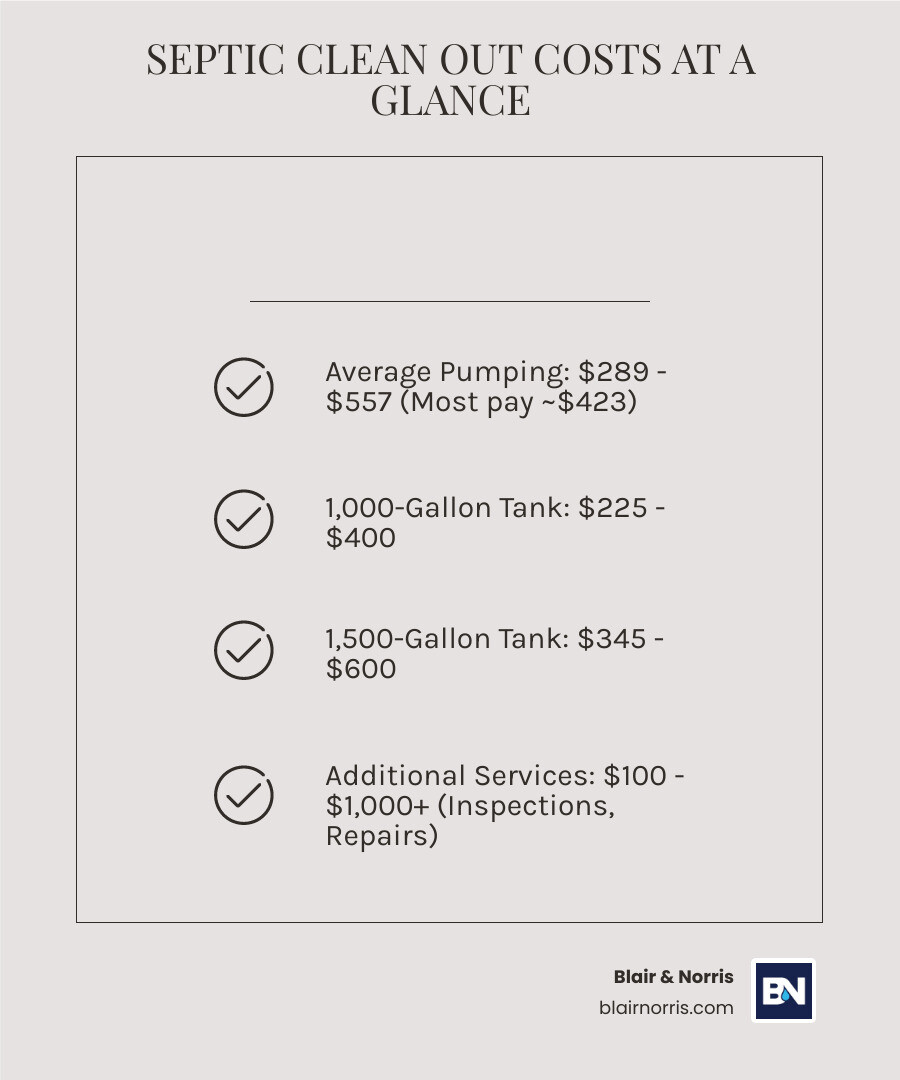
Septic clean out cost ranges from $289 to $557, with most homeowners paying around $423 for a standard pumping service. Your actual cost will depend on several key factors.
Quick Cost Breakdown:
- 1,000-gallon tank: $225 – $400
- 1,250-gallon tank: $275 – $500
- 1,500-gallon tank: $345 – $600
- Additional services: $100 – $1,000+ (inspections, repairs, emergency calls)
- Pumping frequency: Every 3-5 years for most homes
The size of your tank, its accessibility, and the last service date all affect your final bill. In Central Indiana, prices are competitive, but emergency services can double your costs.
Skipping regular pumping to save money often backfires. System repairs average $1,830, while a full drain field replacement can cost $15,000 or more, making routine maintenance look very affordable.
I’m Mack Blair from Blair & Norris. With over 30 years of experience helping Indianapolis homeowners, I know that understanding the septic clean out cost upfront helps families budget for this essential maintenance and avoid expensive emergency calls.
Understanding the Average Septic Clean Out Cost
Let’s get straight to what you’re probably wondering: How much will this actually cost me? The good news is that septic clean out cost is predictable once you know what goes into it.
When we talk about septic clean out, we’re talking about pumping your tank. Over time, your tank accumulates scum (grease floating on top), liquid wastewater, and sludge (solids at the bottom). Our job is to remove all three layers so your system can work properly again.
Most homeowners pay between $289 and $557 for a typical clean out, with the average being $423. A helpful rule of thumb is you’ll pay roughly $0.30 per gallon of tank capacity. While “pumping” and “cleaning” are often used interchangeably, pumping is the essential service of removing waste. Cleaning might include extra steps like hydro-jetting, but standard pumping is usually what’s needed.
| Tank Size (Gallons) | Typical Cost Range |
|---|---|
| 750 (Smaller) | $175 – $300 |
| 1,000 (Common) | $225 – $400 |
| 1,250 | $275 – $500 |
| 1,500 (Common) | $345 – $600 |
| 1,750 | $400 – $700 |
| 2,000+ (Larger) | $550 – $800+ |
Breaking Down the Septic Clean Out Cost by Tank Size
Tank size is the biggest factor in your septic clean out cost. A bigger tank holds more waste and takes more time to pump.
- 1,000-gallon tanks: Common for families of four, these typically cost $225 to $400 to pump.
- 1,500-gallon tanks: Found in larger homes, the septic clean out cost is usually $345 to $600. These tanks may go longer between pumpings.
- Larger tanks (2,000+ gallons): For large homes or multi-family properties, expect to pay $650 to $800 or more.
Interestingly, household size matters more than tank size for pumping frequency. A single person with a 1,000-gallon tank might go 9-12 years between services, while a family of five may need it every 2-4 years. Wondering Is a Residential Septic Tank Right for You in Indianapolis? We can help you figure out what size makes sense for your family.
Additional Costs Beyond Pumping
While pumping is your main septic clean out cost, other expenses can arise. Think of it like a car service—sometimes you need more than just an oil change.
- Septic system inspections ($150 – $450): Annual inspections catch small problems before they become expensive ones.
- Sewer line camera inspections ($250 – $1,400): Pinpoints the exact location of clogs or damage in your pipes.
- Clog removal ($350 – $1,000): This is separate from pumping and is needed for stubborn blockages, often from tree roots.
- Septic tank repairs (average $1,830): Common fixes include baffle repairs ($300-$500) or installing risers ($190-$1,000) for easier tank access.
- Drain field issues: These are the most expensive problems. Aeration can cost $10,000 to $20,000, while a full replacement is often $8,000 to $15,000 or more.
- Emergency service fees: Expect to pay 50% to 100% more for after-hours or holiday service.
- Accessibility challenges: If we have to dig to find your tank lids, it can add about $75 per hour to the job.
- Thick sludge removal: If a tank hasn’t been pumped in years, the dense waste is harder to remove and can add $100 to $300 to your bill.
Regular maintenance prevents most of these extra costs. For more details, learn about these 7 Common Septic Tank Issues we see regularly.
Key Factors That Influence Pumping Prices
Understanding what drives the septic clean out cost is key to managing your budget. It’s not just about tank size; several other elements play a significant role.
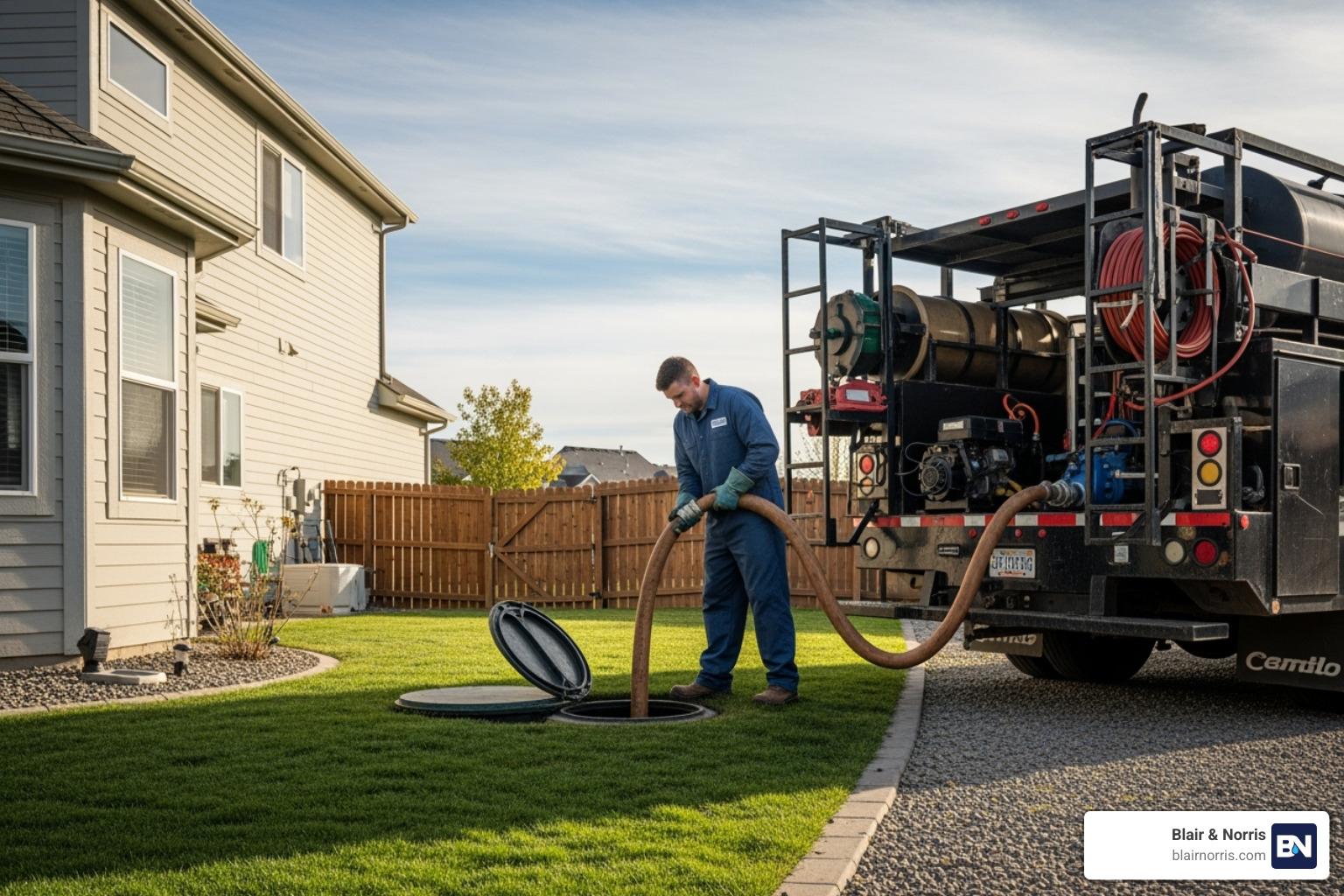
- Tank accessibility: This is the biggest factor after size. If your tank lids are buried or blocked by landscaping or a deck, the extra time and effort to access them can add $50 to $200 or more to your bill.
- Geographic location: Pumping costs vary by region. A service that costs $275 in one city might be $750 in another. Here in Indianapolis and Central Indiana, we work hard to keep our pricing fair and competitive for our service area, from Carmel to Bloomington.
- Time between services: The longer you wait between clean outs, the more solids accumulate and compact. This makes pumping tougher and can lead to extra charges for difficult removal.
- System complexity: Most residential systems are straightforward, but properties with secondary tanks or pump stations require more time and expertise, influencing the overall septic clean out cost.
Following proper maintenance guidelines, like those from the EPA on how to care for your septic system, can help you avoid many of these extra costs.
How Often Should You Pump Your Tank?
This is the most common question we get. The standard answer is every three to five years, which is a solid guideline for most homes. However, the ideal frequency depends on your specific household.
- Household size: A 1,000-gallon tank serving a family of four fits the 3-5 year rule. But a family of five may need service every 2-4 years, while a single person might go 9-12 years.
- Water usage: High water usage from long showers or frequent laundry fills your tank faster. Water conservation is a simple way to extend the time between pumpings.
- Garbage disposal use: Sending food scraps down the drain with a garbage disposal significantly increases the solid waste in your tank, requiring more frequent clean outs.
Finding the right balance is key. Pumping too often is unnecessary, but waiting too long leads to messy and expensive disasters. Understanding when to pump your septic tank, including the signs, frequency, and benefits, is essential for keeping your system healthy and your costs manageable.
Warning Signs and Consequences of Neglect
Your septic system works quietly in the background, but when something goes wrong, it sends clear warning signs. Recognizing them early can save you from turning a manageable septic clean out cost into a financial nightmare.

- Slow drains: If your sinks and showers drain slowly, your tank may be full.
- Gurgling pipes: Strange noises from drains or toilets can mean air is trapped due to a blockage or full tank.
- Foul odors: An unmistakable raw sewage smell around your yard or from your drains is a major red flag.
- Sewage backup: This is a true emergency. When wastewater comes back up through toilets or drains, your system has failed and poses a health risk.
- Pooling water: Soggy spots or an unusually green patch of grass over your drain field indicates that liquid waste can no longer be absorbed by the soil.
Homeowners who act on these signs quickly save thousands compared to those who wait. For a deeper dive, review these 5 Warning Signs of a Septic System Backup Emergency.
What Happens If You Don’t Pump Your Septic Tank?
Skipping regular pumping will eventually cause your system to fail. The consequences grow from minor issues to expensive disasters.
- System blockages: Solids can clog the pipes leading to your drain field, causing backups.
- Irreversible drain field damage: This is the costliest failure. When solids clog the soil in the drain field, it can no longer filter wastewater. A replacement can cost $8,000 to $15,000 or more, making the regular septic clean out cost seem trivial.
- Expensive repairs vs. maintenance: The math is simple. A decade of regular pumping might cost $1,200-$2,100. A single major repair can easily cost more, with tank repairs averaging $1,830 and drain field replacements costing many times that.
- Health hazards: Raw sewage contains dangerous bacteria and pathogens like E. coli and salmonella. A failed system can contaminate your yard and groundwater, putting your family’s health at risk.
An unpumped septic tank will fail—it’s not a matter of if, but when. If you’re dealing with a full tank now, here’s What to Do If You Have a Full Septic Tank.
Managing Your Septic Clean Out Cost: DIY vs. Pro & Savings Tips
When facing a septic clean out cost of several hundred dollars, the DIY route might seem tempting. However, after 75 years in this business, we’ve seen enough DIY septic disasters to know it’s a job best left to professionals.
DIY vs. Professional: Managing Your Septic Clean Out Cost
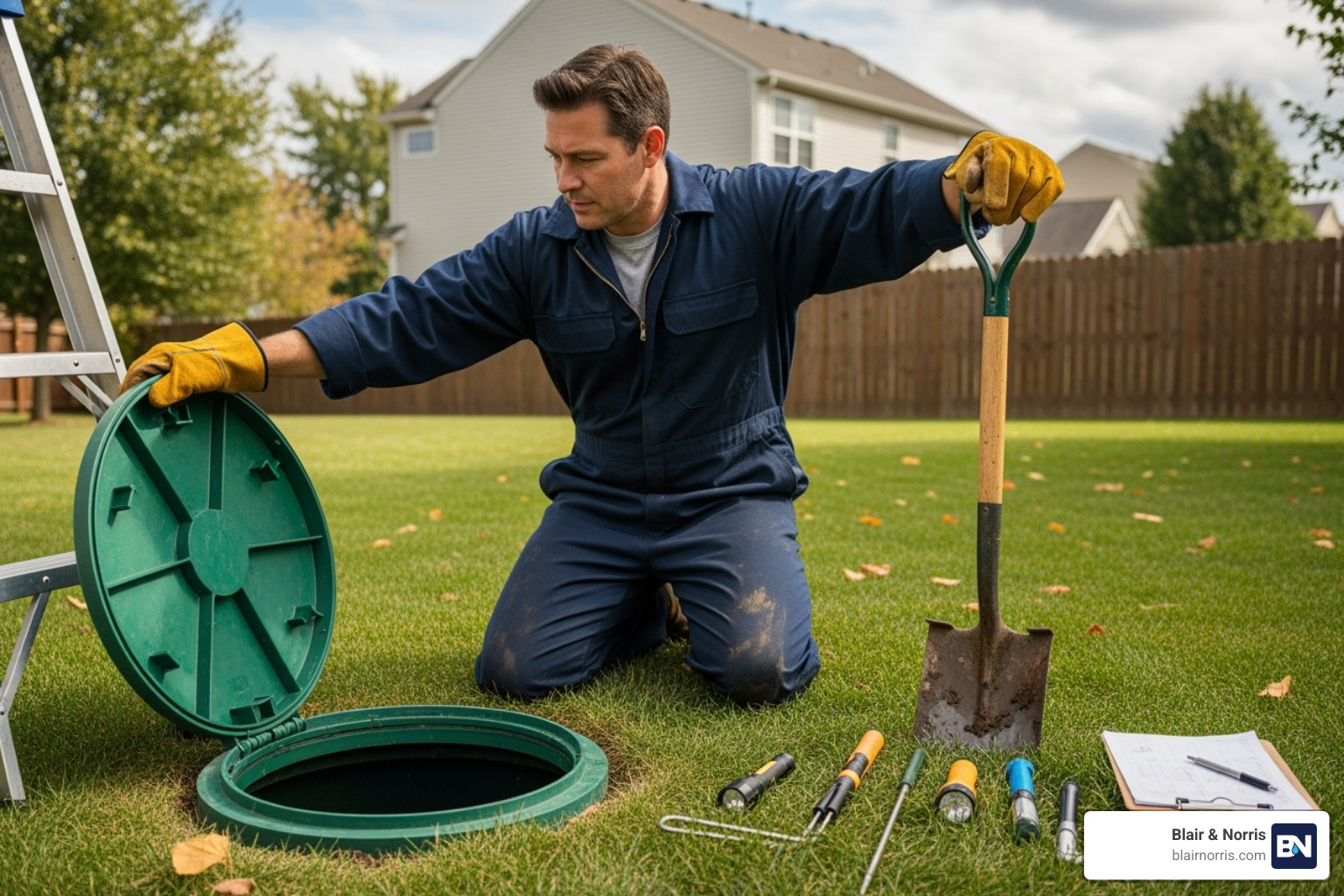
DIY septic pumping carries serious risks. Sewage contains hazardous bacteria and toxic gases that can make you sick or even be fatal. The job requires specialized vacuum trucks costing tens of thousands of dollars; a shop vac won’t work. Furthermore, septic waste disposal is heavily regulated, and illegal dumping leads to hefty fines.
When you hire professionals like us, you’re getting 75 years of expertise. Our trained, licensed, and insured technicians can locate your tank, assess its condition, and spot potential problems before they become emergencies. We handle everything safely and legally, which is why professional service is recommended by experts and regulators alike.
How to Save Money on Septic Maintenance
Just because DIY isn’t the answer doesn’t mean you can’t save money. There are plenty of smart ways to manage your septic clean out cost.
- Stick to a regular pumping schedule: Pumping every 3-5 years prevents the buildup of hard sludge that requires expensive removal and protects your drain field from a dreaded $15,000 replacement.
- Conserve water: Every gallon you save is one less gallon in your tank. Fix leaks, take shorter showers, and run full loads of laundry.
- Practice proper waste disposal: Your toilet is not a trash can. Only human waste and toilet paper should be flushed. Avoid “flushable” wipes, grease, and coffee grounds, and use your garbage disposal sparingly.
- Coordinate with neighbors: When we can pump multiple tanks in the same neighborhood on the same day, we can sometimes offer a small discount.
- Keep your tank accessible: Clear access to your tank lids means we can get right to work, saving time and keeping your costs down.
- Schedule during the off-season: Spring is our busiest time. Scheduling service during slower months like late fall or winter can sometimes result in better rates.
It’s clear that regular septic tank cleaning means big savings when you compare the cost of routine maintenance to emergency repairs.
Frequently Asked Questions about Septic Pumping
Over our 75 years serving Indianapolis families, we’ve answered thousands of questions about septic systems. Here are the most common ones.
What’s the difference between septic pumping and septic cleaning?
Most people use these terms interchangeably. Septic pumping is the essential service of using a vacuum truck to remove all waste—liquid, scum, and sludge—from your tank. This is what you get with a standard service. Septic cleaning can sometimes refer to a more intensive process, like hydro-jetting the tank walls after pumping. For most homeowners, standard pumping is all that’s needed.
How do I know if my septic tank is full?
Your system will give you clues. The most common signs are slow drains, gurgling pipes, foul odors near the tank or from your drains, and soggy spots or unusually green grass in your yard over the drain field. The most urgent sign is a sewage backup in your home, which requires immediate attention.
Can I use chemical additives to avoid pumping my septic tank?
The short answer is no. The EPA and most septic experts are skeptical of additives that promise to dissolve solids and eliminate the need for pumping. These products can disrupt the natural bacteria in your tank and may even push solids into your drain field, causing clogs and expensive damage. There is no chemical substitute for professional pumping. Regular maintenance is the only proven way to keep your system healthy and manage your septic clean out cost effectively.
Your Partner in Septic Health
Your septic system is a crucial home component that works quietly until there’s a problem. Understanding the septic clean out cost is about more than just budgeting; it’s about protecting your home from costly, disruptive failures.
Regular maintenance is the key to avoiding emergencies. A panicked call about a sewage backup almost always comes from a homeowner who has delayed routine pumping. That attempt to save a few hundred dollars often results in thousands of dollars in emergency repairs.
At Blair & Norris, we’ve been a part of the Indianapolis community for over 75 years. As a family-owned business, we’ve built our reputation on ethical service and transparent pricing. Our 24/7 live phone support means you’ll always reach a real person in an emergency, not an answering machine.
We proudly serve homeowners throughout Central Indiana, including Indianapolis, Carmel, Fishers, Noblesville, Greenwood, Bloomington, and the surrounding areas. Our experienced technicians understand the local conditions that affect your system’s performance.
Don’t let a minor issue become a major expense. A small investment in regular maintenance prevents major headaches. For expert septic system care in Indiana, trust our 75 years of experience. Contact us today!