
How to Find Family-Owned Well Drilling in Bloomington
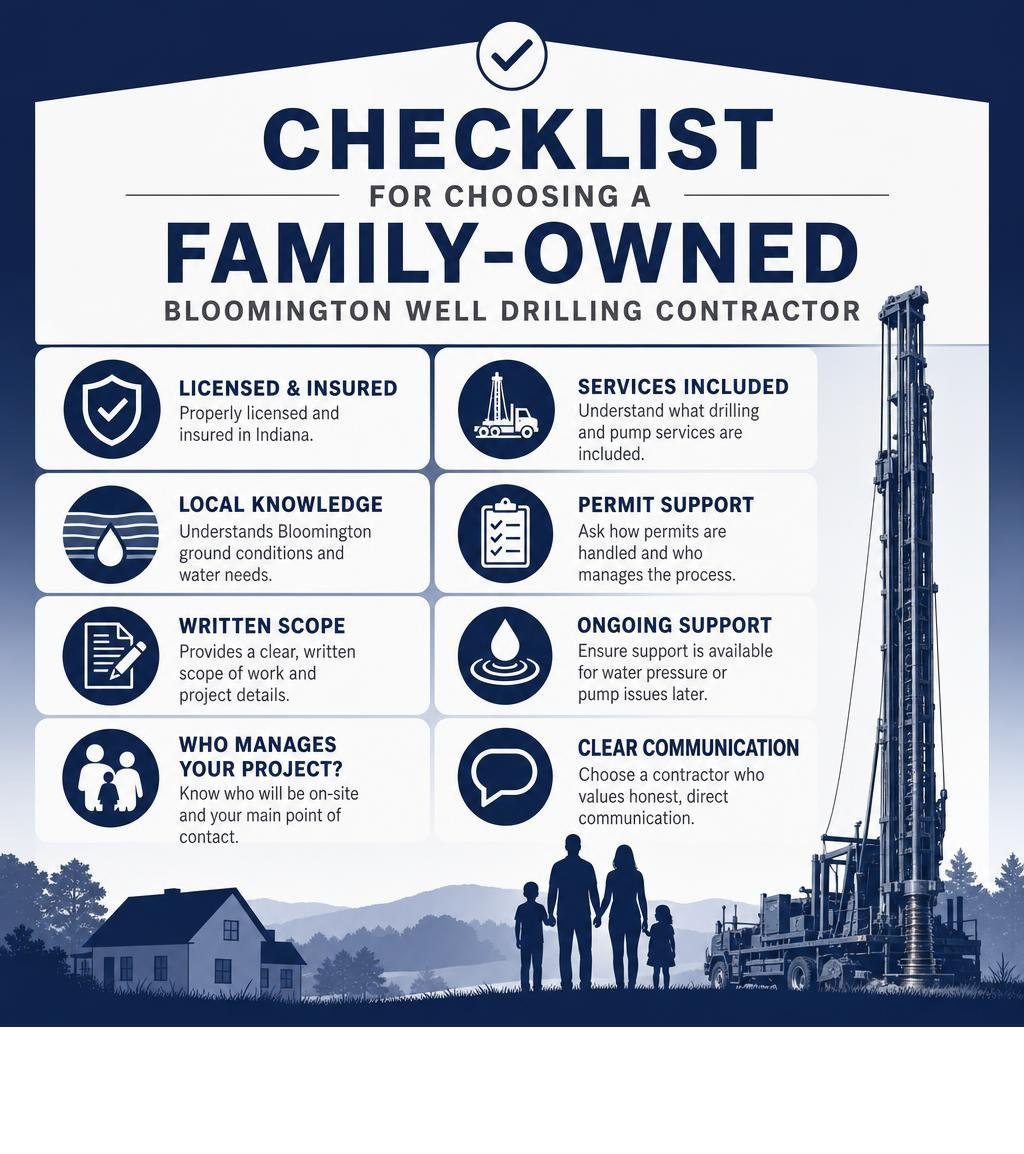
For family owned well drilling Bloomington property owners can trust, choose a contractor that is properly licensed and insured in Indiana, understands local ground conditions, and provides a comprehensive written scope of work. Navigating private water supply options requires selecting a team with deep roots in regional drilling techniques and subsurface conditions. When evaluating contractors, ask who will manage the job on-site, what drilling and pump equipment is included, how state and local permits are handled, and what ongoing service support is available if water pressure fluctuations or pump problems arise later.
A family-owned contractor offers direct communication, personal accountability, and multi-generational trade knowledge throughout every phase of your project. That personalized dedication matters when your home depends on a reliable, self-contained private water system, from the initial site review and hydrogeological assessment through drilling, pump configuration, pressure tank calibration, water testing, and future preventative maintenance. Dealing with complex Monroe County geology requires seasoned professionals who treat every residential build with personal care, ensuring long-term system efficiency, structural durability, and pure drinking water for your household.
Blair & Norris is your local Central Indiana provider for water well drilling, complete well pump systems, and routine septic tank pumping. I am Mack Blair, and after more than 30 years in the Midwest well industry, I bring hands-on experience and a family-first approach to family owned well drilling Bloomington homeowners can rely on for generations to come. When you partner with our family enterprise, you gain a trusted neighbor committed to protecting your drinking water supply and delivering dependable craftsmanship.
Understanding Well Drilling Challenges and Water Needs in Central Indiana
Constructing a dependable water system across Central Indiana requires a thorough understanding of regional hydrology and bedrock geology. When property owners move away from municipal water connections, they take full ownership of their drinking supply. Tapping into groundwater aquifers offers complete self-reliance and freedom from escalating monthly utility bills, but private water production requires navigating unpredictable underground challenges. Managing a private well means understanding how local weather patterns, seasonal precipitation, soil types, and underlying stone strata interact to supply clean water year-round.
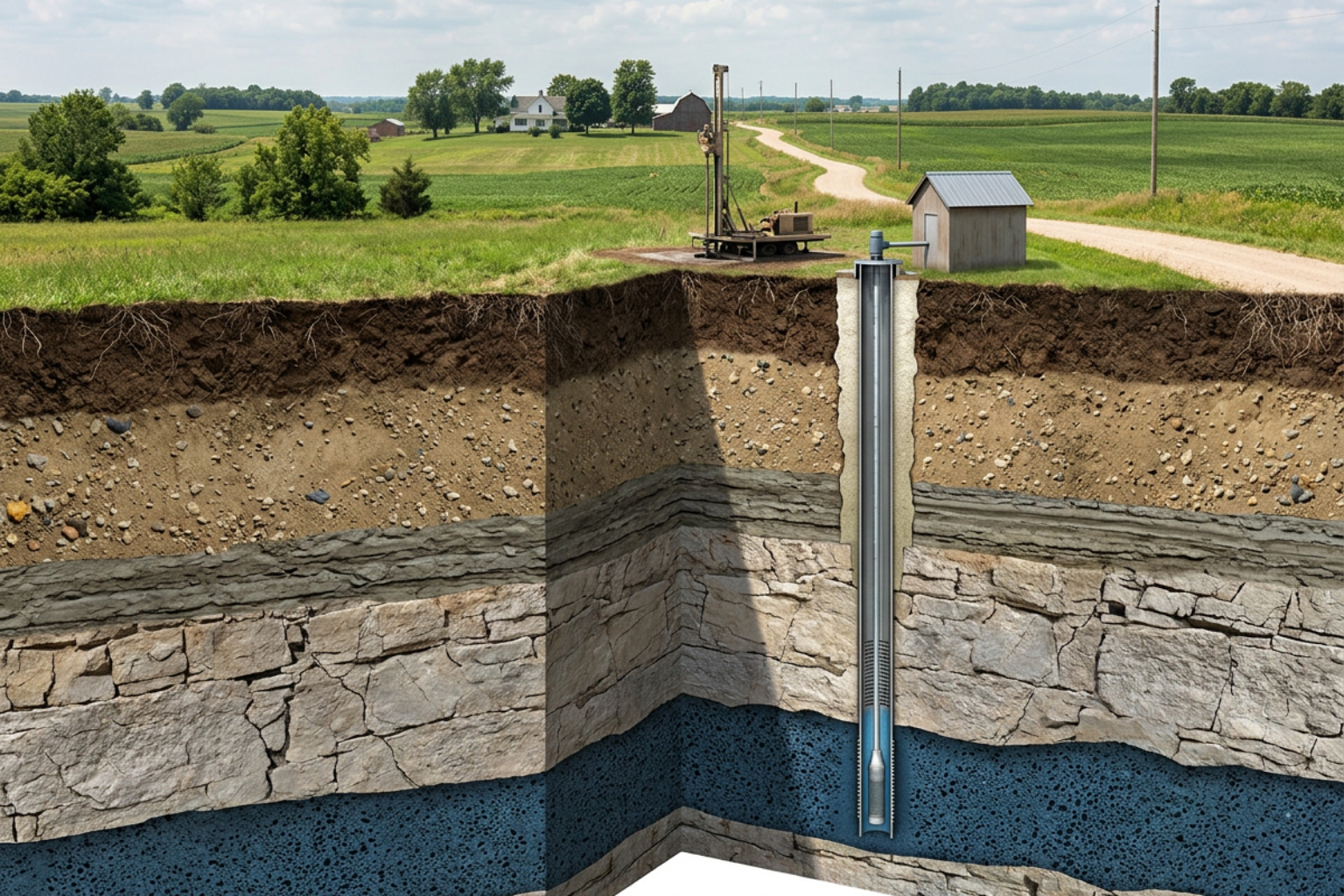
Subsurface formations across Monroe County and surrounding areas shift dramatically within short geographical distances. Fractured bedrock, dense clay strata, and fluctuating seasonal water tables dictate how a water supply functions over time. Without proper borehole construction and sanitary casing placement, a residential well risks inadequate flow rates, seasonal dry spells, or surface water infiltration. In addition, mineral concentrations such as iron, sulfur, and calcium vary significantly across depth profiles, reinforcing the need for expert casing depth calculations, proper pressure grouting, and accurate geological profiling before finalizing a borehole.
Geological and Regional Well Depth Variations
Southern Central Indiana geology features extensive limestone and karst terrain. These formations create unique, complex pathways for groundwater movement, requiring precise site assessment before boring begins. Karst landscapes can create unpredictable subterranean channels, solution voids, and underground streams that influence where water collects and flows. Residential drilling depths in the region typically range from 150 to 400 feet to penetrate upper weathered zones and reach stable, high-yield aquifers capable of supplying households consistently through dry summer months.
Drilling through variable bedrock demands specialized mud management to maintain borehole stability, remove heavy cuttings, and keep residential properties clean. We utilize advanced Mud Puppy equipment for clean mud recycling and drilling operations. This closed-loop solids control system processes slurry, separates drill cuttings efficiently, and continuously recycles clean fluid during the drilling process. By recycling mud on-site, this technology prevents borehole wall collapse, eliminates surface slurry runoff, minimizes heavy equipment yard damage, and maintains rigorous environmental safeguards throughout the build.
Risks of Uncertified Drilling and DIY Water Well Work
Attempting to drill, deepen, or service a well using uncertified crews or do-it-yourself techniques introduces severe structural, financial, and environmental risks:
- Borehole Structural Collapse: Unconsolidated sand, gravel, or fractured limestone can cave in without continuous, professional drilling fluid pressure, destroying expensive drilling tooling and permanently ruining the water-bearing aquifer.
- Surface Water Intrusion: Incorrectly seated or substandard sanitary casing allows surface runoff, agricultural fertilizers, coliform bacteria, and lawn chemicals to enter the drinking supply, creating immediate health hazards for your family.
- Improper Annular Grouting: Failing to pressure-pump high-grade bentonite or neat cement grout from the base upward leaves voids along the casing exterior, creating direct vertical channels for contaminated surface runoff to reach deep aquifers.
- Regulatory Penalties and Code Violations: Indiana law mandates strict environmental standards for water well construction. Work completed without certified oversight violates state water codes, creates disclosure liabilities during property sales, and can result in mandatory well abandonment orders.
- Equipment Damage and Financial Loss: Inexperienced operators risk dropping heavy downhole tools, severing submersible electrical wiring, or burning out pump motors due to incorrect voltage and hydraulic calibration.
Following established Indiana DNR Water Well Drilling Guidelines protects shared regional groundwater reserves. Professional contractors ensure that casing depths, pressure grouting, and wellhead terminations meet strict state standards to safeguard your family’s drinking water for decades.
Key Considerations for Family Owned Well Drilling Bloomington Property Owners
Choosing a drilling contractor means entering a multi-decade relationship for your home’s water infrastructure. A family-owned operation brings multigenerational trade knowledge, direct accountability, and consistent field crews to your project site. Having seasoned drillers who treat your home with the same care as their own ensures meticulous attention to detail at every step.
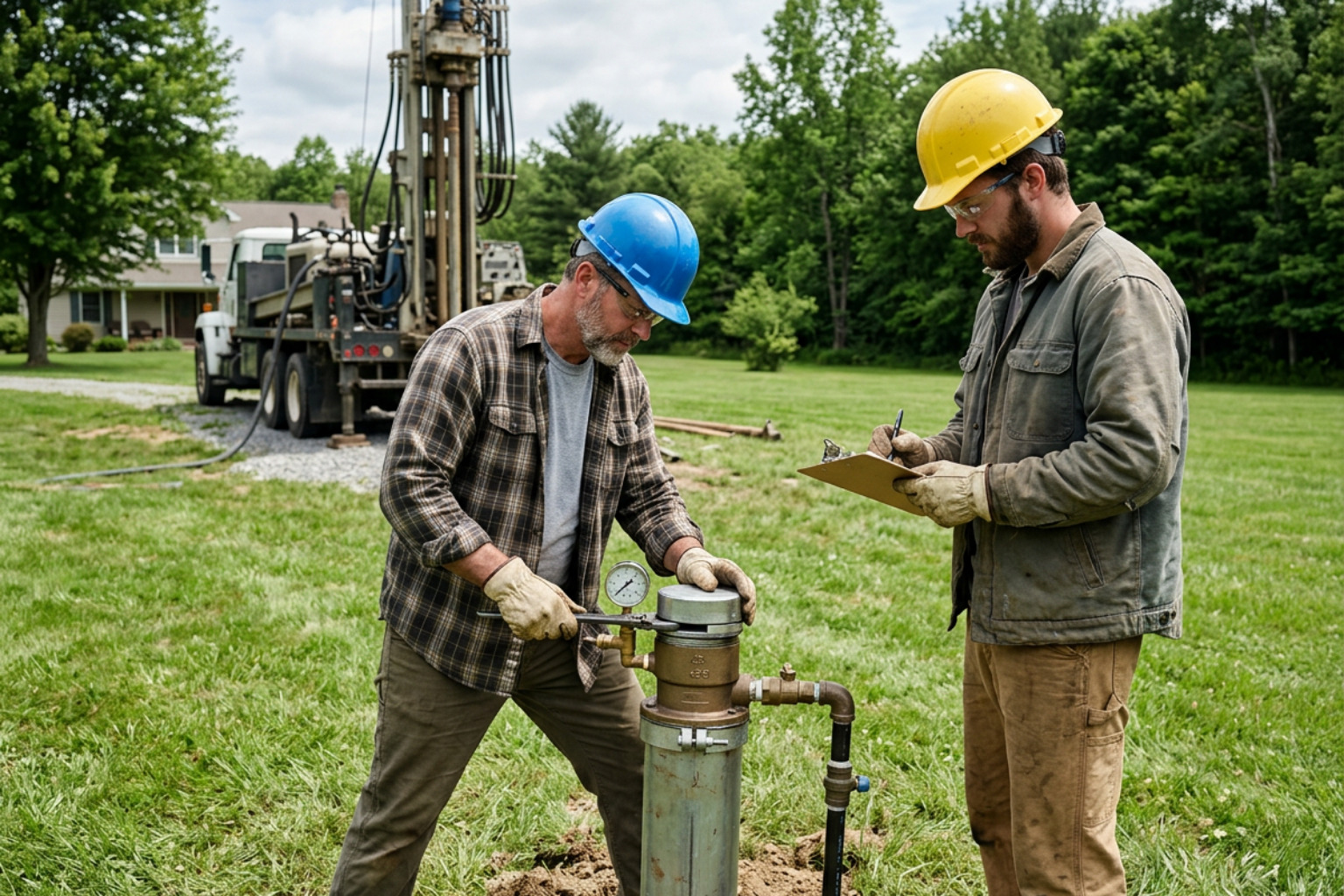
When you work with a family enterprise, the person evaluating your acreage is often the same professional operating the rig. This direct communication eliminates bureaucratic delays, ensures upfront quotes, and provides transparent guidance at every stage of construction.
To help property owners weigh their equipment and design options, here is how well system tiers generally compare:
- Good (Basic System): Standard rotary-drilled borehole, baseline thermoplastic or steel casing, standard-efficiency single-speed submersible pump, and an entry-level pressure tank. Meets all local building codes and delivers reliable water for standard household demands.
- Better (Upgraded System): Heavy-gauge steel casing, premium mud-recycled borehole preparation, high-efficiency continuous-duty pump, oversized heavy-duty bladder pressure tank, and complete water filtration pre-plumbing to accommodate growing household water needs and higher peak demands.
- Best (Premium System): Precision borehole drilling with advanced solids control, commercial-grade heavy-duty stainless steel submersible pump, digital constant-pressure variable frequency drive (VFD) controller, dual-barrier sanitary seal, and continuous 24/7 emergency live phone support coverage.
If you are planning a new build or need to replace a failing private water source, explore our dedicated professional well and pump services to schedule an on-site property evaluation.
Cost Factors for Family Owned Well Drilling Bloomington Residents Should Know
Water well project pricing depends on several site-specific physical factors rather than flat-rate estimates. Understanding these elements helps property owners budget accurately:
- Total Drilled Depth: Aquifer depth varies by parcel elevation and local geology, directly influencing overall rig time, tooling wear, and labor hours.
- Casing Diameter and Wall Thickness: Standard residential installations use 4-inch to 6-inch thermoplastic or heavy-wall steel casing, with material volumes determined by total depth to bedrock.
- Submersible Pump Horsepower: Pumping lift requirements, household fixture counts, and continuous flow demands dictate pump motor sizing.
- Hydrogeological Formations: Encountering dense granite or boulders requires specialized tooling, slowing drilling rates compared to soft shale or open limestone.
- Trenching and Electrical Hookups: The distance from the wellhead to the home pressure tank determines excavation, conduit, and piping needs.
Reviewing a comprehensive guide on evaluating overall well drilling expenses provides detailed insight into how site conditions shape overall investment requirements.
Essential Checklist for Family Owned Well Drilling Bloomington Projects
Before signing a contract or authorizing site work, verify contractor credentials using this standard checklist:
- [ ] Current Indiana Department of Natural Resources (IDNR) well driller and pump installer license.
- [ ] Comprehensive commercial general liability and worker’s compensation insurance coverage.
- [ ] Itemized, written estimates separating drilling labor, casing footage, pump equipment, and electrical controls.
- [ ] Clarification on who pulls local Monroe County health permits and submits completion logs to the state.
- [ ] Clear warranty coverage terms on both the drilled borehole and mechanical pump hardware.
- [ ] Established emergency dispatch protocols for unexpected weekend or winter water outages.
- [ ] Proven track record of operating in Central Indiana with established references and client testimonials.
Consulting a reference list of crucial questions to ask before drilling a well helps you interview potential contractors thoroughly. Additionally, cross-reference construction standards against the EPA Private Drinking Water Wells Guidelines to ensure long-term regulatory compliance.
Essential Services to Look for in a Complete Water System Contractor
A dependable residential water supply requires a fully integrated setup. Drilling the borehole is only the initial phase; the mechanical pumping network, pressure storage, and surrounding wastewater management must work together smoothly. A properly matched system balances water extraction rates with home distribution demands, preventing system stress and extending equipment lifespans.
Hiring a full-service contractor eliminates finger-pointing between independent drillers, plumbers, and maintenance crews when pressure drops or components fail.
| Service Feature | Full-Service Water Contractor | Split-Contractor Approach |
|---|---|---|
| Borehole Construction | Completed in-house with dedicated rig crews | Subcontracted to independent driller |
| Pump & Tank Matching | Precision-sized based on actual drilled yield | Sized by third-party plumber without borehole data |
| System Diagnostics | Comprehensive end-to-end electrical and flow testing | Limited to individual mechanical components |
| Septic Tank Pumping | Coordinated maintenance to protect surrounding groundwater | Requires sourcing a separate wastewater vendor |
| Emergency Response | Single phone number for all water system failures | Confusion over whether driller or plumber is responsible |
Well Installation and Water Pump Maintenance
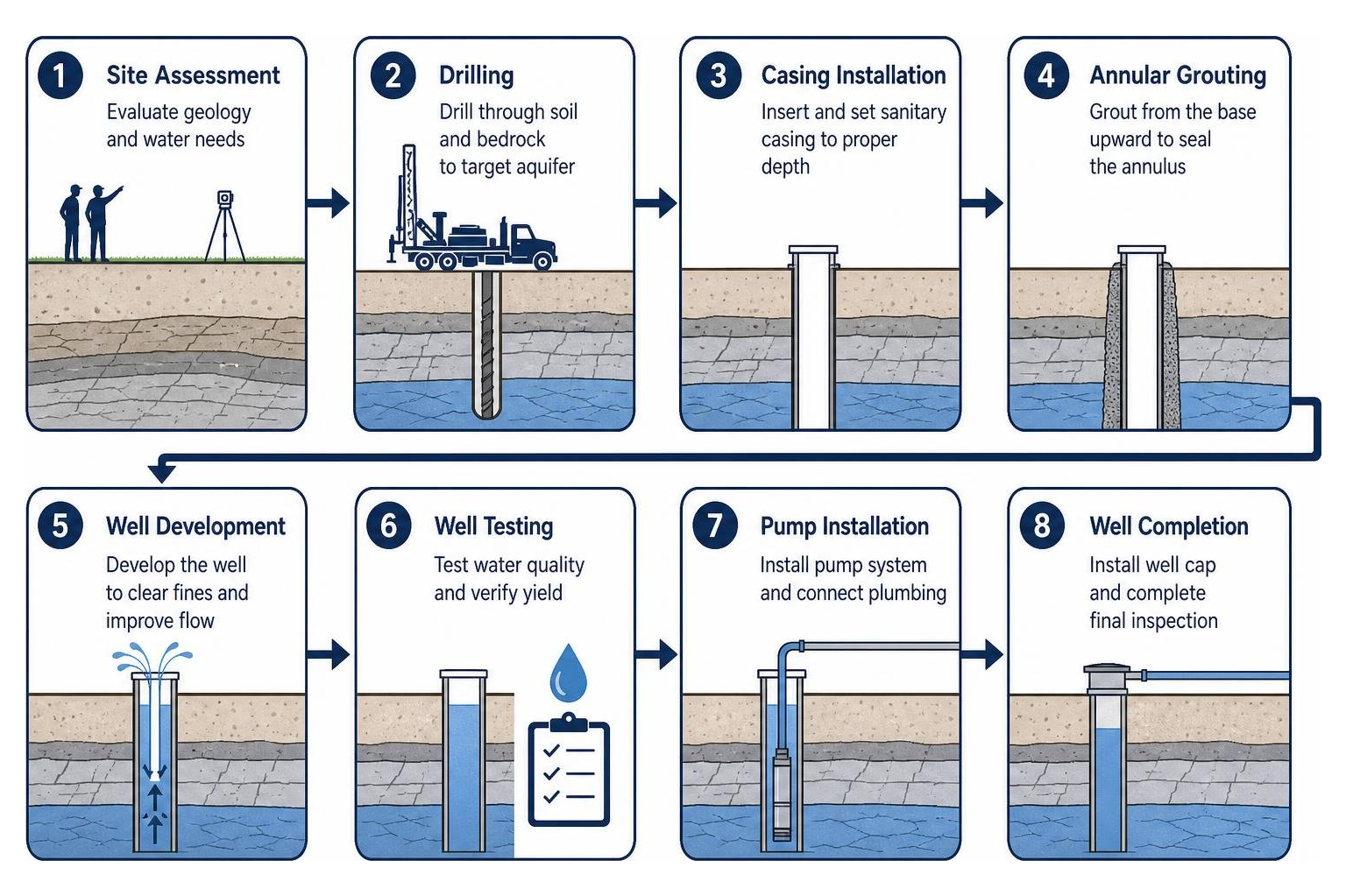
A systematic installation workflow prevents premature pump burnout and ensures uniform water pressure across all household fixtures. Following the essential steps for well drilling ensures steady project execution:
- Hydrogeological Review and Siting: Surveying property boundaries, septic setback distances, and overhead power clearances to find the optimal well location.
- Precision Drilling and Mud Control: Boring through upper soils into the bedrock aquifer while circulating clean, recycled drilling fluid.
- Casing and Grouting: Setting heavy-duty sanitary casing into consolidated rock and pressure-sealing the perimeter with bentonite slurry.
- Well Development: Flushing drill cuttings and fine silt out of the water-bearing zone until the discharge runs crystal clear.
- Pump and Drop Pipe Placement: Sizing a submersible pump matched to well yield and suspending it on structural piping with torque arrestors and check valves.
- Pressure System Integration: Installing a heavy-duty bladder tank, pressure switch, pressure relief valve, and internal plumbing connections.
- Disinfection and Water Testing: Performing chlorination treatment and laboratory testing for bacteria, nitrates, and mineral content before final domestic use.
Routine maintenance preserves pump life and pressure tank bladders. In addition to clean water delivery, routine septic tank pumping is critical for preventing underground drainfield saturated zones from threatening your water table. Keep your complete water system operating smoothly by relying on experienced professionals who handle both well pumping and septic maintenance.
Comprehensive Support and 24/7 Emergency Readiness
Water system failures rarely happen on a convenient schedule. Freezing winter temperatures, lightning strikes on electrical control boxes, or mechanical wear can suddenly cut off water to your home. When private water systems stop functioning, families face immediate disruptions to basic daily living.
When your water cuts out, waiting days for a callback is not an option. Family-owned contractors who maintain dedicated emergency support can troubleshoot control switches, diagnose blown capacitor boxes, or retrieve and replace failed submersible pumps promptly. For wider regional aquifer flow trends and groundwater data, property owners can also reference the USGS Groundwater Information network to monitor local water table shifts.
Frequently Asked Questions About Well Drilling in Bloomington
How much does it typically cost to drill a water well in Bloomington?
Total costs vary based on drilled depth, geology, casing requirements, and pump horsepower. Because Monroe County features variable limestone formations, depths can range from shallow gravel pockets to deep bedrock aquifers reaching several hundred feet. Other factors include the distance of trenching to the home and the specific pressure tank configuration selected. Obtaining an on-site evaluation with an itemized written estimate is the best way to secure exact project pricing for your property’s specific ground conditions.
How long does the well drilling process take from start to finish?
The physical drilling and casing process typically takes between 1 and 3 days under standard ground conditions. Additional time is scheduled for county health department permitting, setting the submersible pump, digging water line trenches, plumbing the pressure tank, and completing laboratory water purity tests before final household hookup. Weather conditions, permit processing times, and ground hardness can also influence project timelines.
What services do family-owned well contractors offer beyond drilling?
Full-service water contractors provide complete lifecycle support for private water systems. Beyond drilling initial boreholes, services include submersible pump repairs, pressure tank calibration, digital control installations, water testing, wellhead chlorination, and routine septic tank pumping to keep surrounding ground conditions clean and safe. This full-spectrum capability ensures that your well water remains pure and your mechanical components operate reliably for decades.
Conclusion: Selecting Your Trusted Local Well Drilling Partner
Securing a private water supply protects your household from rising municipal utility rates and gives you full control over water quality. Achieving long-term water security starts with choosing an experienced, family-owned contractor who understands the limestone bedrock and aquifer depths of Central Indiana. Investing in high-quality drilling, professional pump matching, and regular maintenance safeguards your water independence for decades to come.
Blair & Norris has served Central Indiana homeowners for over 75 years. We combine multi-generational field experience with modern mud-recycling equipment to deliver clean, efficient, and dependable water well construction. We back our craftsmanship with dedicated 24/7 live phone support, ensuring you always reach a knowledgeable professional when you need assistance.
Our commitment to quality, transparent communication, and reliable service is reflected in our community reputation. We invite you to read verified client feedback on our Google Reviews for Blair & Norris Well and Pump Services to see how we treat our neighbors across the region.
Whether you are breaking ground on new construction, upgrading an aging pump, or scheduling routine septic tank pumping, our team is ready to help. Please contact Blair & Norris today to discuss your water needs and request an accurate estimate for your property.