
Recognizing Early Signs Your Well System Needs Attention
A private residential well system rarely stops operating without giving prior warning. Before a total loss of running water occurs, the mechanical, electrical, and hydraulic components of your system typically exhibit subtle warning indicators that point to internal strain. Recognizing these symptoms at an early stage empowers property owners to address minor mechanical wear before it escalates into catastrophic equipment failure or extensive structural damage. For Westfield homeowners seeking affordable well pump maintenance, understanding these early indicators is the foundational step toward preserving your household water supply and avoiding costly emergency service calls.
When a private groundwater water system experiences abnormal operational stress, typical warning signs include:
- Weak, surging, or fluctuating water pressure across indoor plumbing fixtures
- Faucets and showerheads that sputter air pockets when opened
- Well pumps running continuously, running longer than normal, or cycling on and off rapidly
- Cloudy, discolored tap water or fine sediment accumulating at the bottom of sinks, tubs, and drinking glasses
- Noticeable and unexplained spikes on monthly electric utility bills
- Unexplained clicking, chattering, or vibrating sounds originating near the pressure tank and control switch assembly
- Water that suddenly develops unusual metallic odors, sulfur smells, or altered taste profiles
These symptoms point to underlying mechanical, hydraulic, or electrical issues. Consulting a complete well pump troubleshooting checklist can help pinpoint the exact component struggling under load, whether it is an electrical contact relay, a pressure tank bladder, or the pump motor itself. Addressing these common well pump problems early keeps system upkeep budget-friendly and protects your plumbing infrastructure from secondary damage.
Low Water Pressure and Flow Fluctuations
Inconsistent delivery flow and sudden drops in water pressure are frequently the first indicators of a failing water delivery system. When you turn on a master bathroom shower and the flow immediately drops to a trickle because a washing machine or dishwasher started elsewhere in the house, the pressure delivery mechanism is struggling to keep pace with demand. While many homeowners assume that a drop in water pressure always indicates a failing well pump motor deep underground, the true cause is often an issue with the surface control equipment, pressure tank air-water balance, or mineral buildup within water lines.
Pressure fluctuations frequently stem from a faulty pressure switch, clogged internal sediment filters, or a ruptured internal bladder inside the water storage vessel. If the air-to-water ratio inside the tank fails, the pump cannot maintain steady line pressure throughout the household plumbing. Reviewing a detailed well pressure tank replacement guide provides useful context on how these components balance household water flow and when they require professional renewal.
Strange Mechanical Noises and Short Cycling
A healthy, properly calibrated well system operates with minimal acoustic disruption. If you hear continuous metallic clicking, humming, or rapid shuddering from your basement or utility room pressure tank closet, the system is likely short cycling. Short cycling occurs when the pump motor switches on and off every few seconds or minutes rather than running in complete, steady, energy-efficient cycles designed to fill the pressure tank.
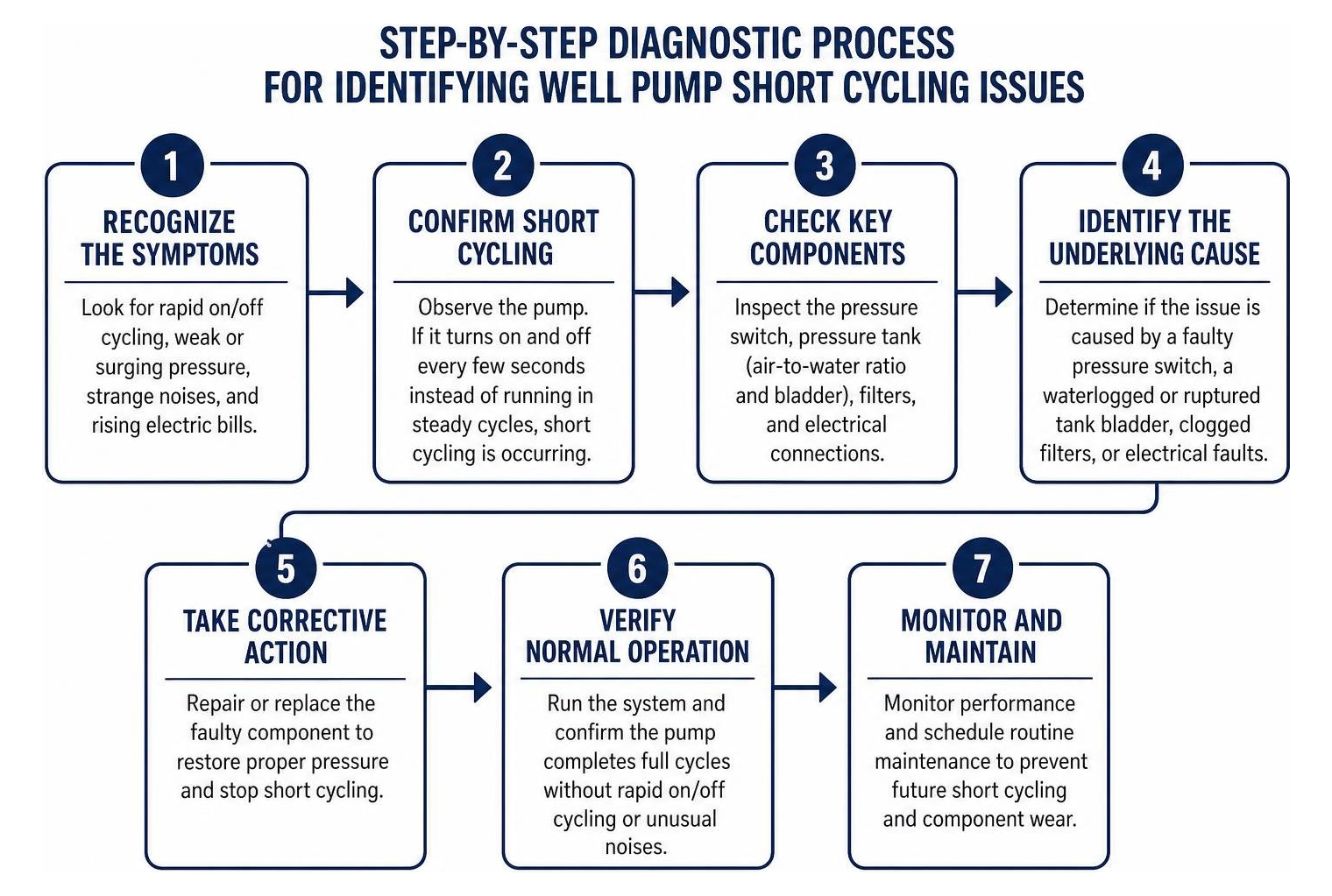
This rapid cycling causes rapid wear on mechanical motor windings, control box capacitors, and pressure switches. Worn internal bearings can also create grinding noises deep inside the well casing, which indicates that the pump motor is overheating or running dry. Addressing short cycling quickly through routine maintenance prevents premature motor failure and saves significant money on electric bills. If you notice unusual noises or erratic cycling, contacting an experienced professional immediately can prevent a complete water outage.
Essential Steps for Affordable Well Pump Maintenance Westfield Homeowners Trust
Affordable maintenance requires a proactive, structured approach. Routine care prevents minor mechanical misalignments from turning into expensive, emergency repairs. When investing in professional well pump services, property owners protect both their mechanical equipment and their household drinking water quality.
Regular inspections should never be treated as an optional luxury. In Central Indiana, regional geology, seasonal temperature variations, and hard water mineral concentrations place continuous demands on pumping systems. By establishing a consistent servicing schedule, homeowners can extend the lifespan of their submersible or jet pumps by years while keeping utility bills stable.
Key Checklist for Affordable Well Pump Maintenance in Westfield
Comprehensive maintenance follows a rigorous checklist designed to test every mechanical, hydraulic, and structural barrier in the system:
- Sanitary Wellhead and Cap Inspection: Technicians verify that the outer casing extends properly above ground level, the sanitary seal is airtight, and no surface runoff or pests have breached the wellhead in compliance with guidelines from the Indiana Department of Natural Resources.
- Electrical Voltage and Amperage Testing: A technician measures operating voltage and motor amp draw under full load to ensure electrical components operate within factory safety margins and do not risk motor burnout.
- Pressure Switch and Contact Cleaning: Electrical contacts attract carbon buildup, oxidation, and debris over time; regular servicing cleans these points to prevent welded switch contacts and sudden pump failure.
- Pressure Tank Pre-Charge Calibration: The air bladder charge is checked with a calibrated gauge while drained and adjusted to maintain the correct differential against the cut-in pressure setting.
- Flow Rate and Pumping Capacity Evaluation: Technicians measure dynamic water output to ensure the pump delivers sufficient gallons per minute without drawing air or heavy sediment from the aquifer.
- Water Quality Screening: Periodic water sampling checks for bacteria, nitrates, elevated minerals, and contaminants, ensuring pure drinking water across the property.
- Safety Relief Valve and Check Valve Verification: Inspecting check valves prevents backflow into the well, which stops line depressurization and water hammer damage.
Risks of Neglecting Routine Care Versus Timely Upkeep
Skipping regular service checks exposes homeowners to unexpected breakdowns. The table below outlines how regular preventative care compares with the consequences of system neglect across a range of service options:
| Service Level | Maintenance Scope | Performance Reliability | System Protection |
|---|---|---|---|
| Good (Basic Care) | Annual visual check, DIY wellhead inspection, and line leak monitoring | Moderate; catches external surface leaks and visible physical damage | Baseline protection for visible surface components |
| Better (Semi-Annual Pro Care) | Electrical draw tests, tank air charge calibration, mechanical switch contact cleaning | High; optimizes daily cycling and saves electrical power | Strong protection against premature motor burnout and switch failure |
| Best (Comprehensive Care) | Advanced flow tests, complete water diagnostics, check valve testing, Mud Puppy cleanouts | Maximum; ensures long equipment lifespan and peak drinking water purity | Complete system preservation, maximum efficiency, and early failure prevention |
Neglecting these maintenance steps risks motor burnout, dry running, and ruptured internal tank bladders. Implementing routine upkeep protects equipment from sudden structural failures. Contact our team today to establish an inspection plan customized for your home.
Understanding Well Pump Service and Replacement Costs
Well maintenance and repair expenses vary based on several technical factors. Understanding what drives these costs helps homeowners budget effectively while keeping their water systems running smoothly throughout the year without unpleasant financial surprises.
System depth is a primary factor. Deep-set submersible pumps suspended hundreds of feet underground require specialized heavy-duty pulling machinery, crane rigs, and multi-person labor crews to service compared to shallow jet pumps located in a basement or utility room. Additionally, higher-horsepower motors, larger pressure tanks, specialized piping materials, and advanced water filtration units require different service investments.
Consulting a local well pump replacement cost guide helps homeowners understand the financial scope of major equipment updates versus affordable preventive tune-ups.
How to Budget for Affordable Well Pump Maintenance in Westfield
Setting aside a modest annual budget for proactive check-ups is the best way to avoid emergency repair bills. Proactive maintenance allows you to address worn pressure switches, leaking relief valves, or aging control box relays before they cause the entire system to shut down during peak household demand.
Consistent upkeep also keeps your system running efficiently, which prevents the spike in electric bills caused by a struggling motor running constantly to overcome water line restrictions or faulty switch contacts. Replacing a worn capacitor or a single brass check valve during a scheduled visit costs a fraction of an emergency weekend pump replacement.
DIY Maintenance Limitations Versus Licensed Professional Service
While inspecting your well cap and monitoring water clarity are great DIY practices, attempting internal mechanical or electrical repairs carries serious risks:
- High-Voltage Electrical Hazards: Well control boxes and pressure switches carry 230-volt circuits that present severe shock and electrocution hazards if tested or wired incorrectly.
- Heavy Drop Pipe Weight: Submersible pumps are suspended on hundreds of feet of heavy, water-filled pipe, which can slip into the well casing and be lost without dedicated hoisting equipment.
- Aquifer Contamination: Opening a sanitary well seal without certified sanitization protocols can introduce harmful surface bacteria, coliform, and debris into your drinking water aquifer.
- Code and Permitting Compliance: Standards monitored by the Indiana Department of Environmental Management and regional health regulations govern well alterations to protect shared groundwater resources.
Professional servicing ensures all work meets regional plumbing codes while keeping your family safe and your drinking water pristine. Reaching out to a certified professional for routine diagnostics guarantees peace of mind and long-term savings.
Choosing the Right Well Service Professional
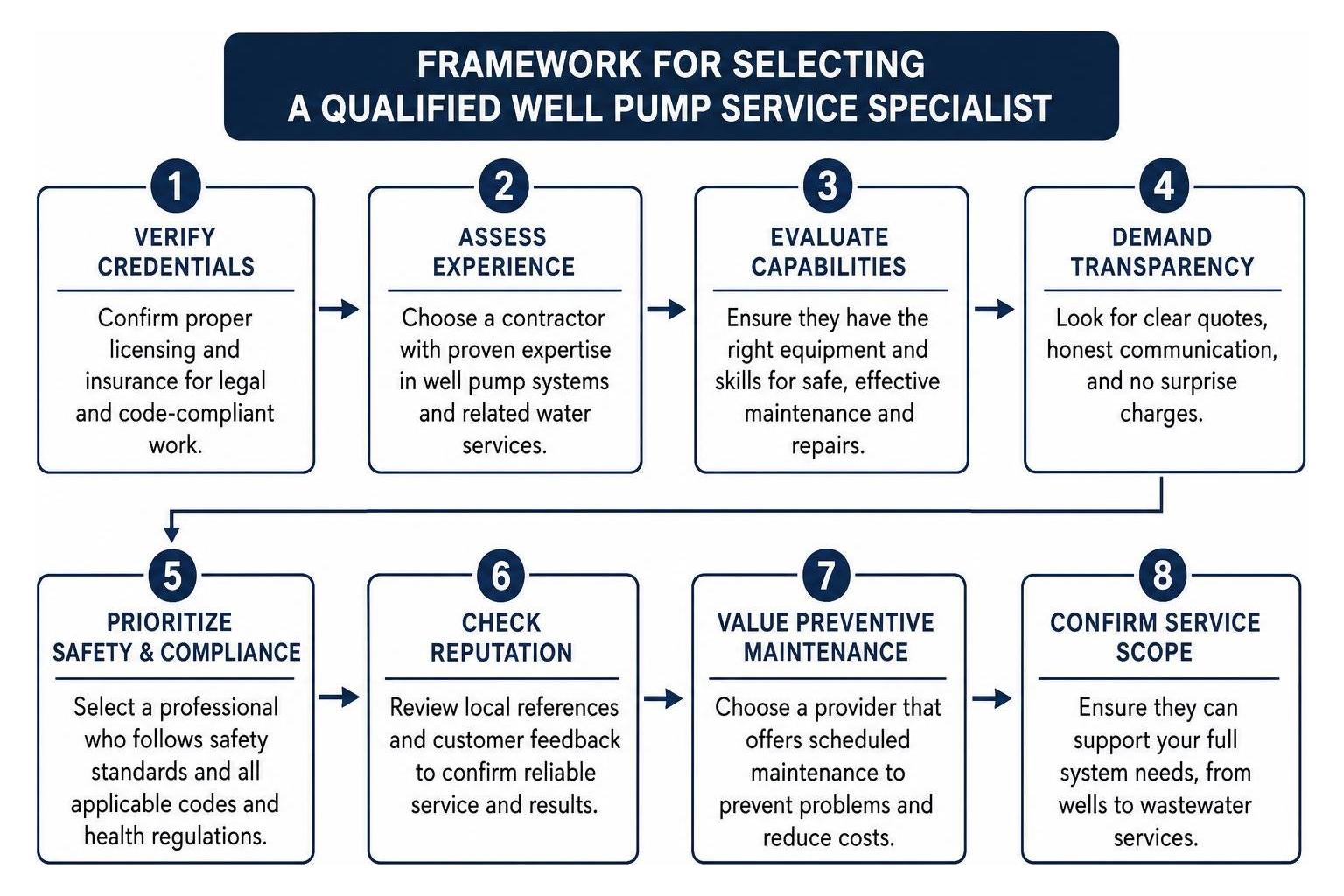
Finding a trusted service partner ensures your private water system receives skilled, ethical, and long-lasting care. Look for an established contractor who offers transparent quotes, verified licensing, comprehensive insurance coverage, and proven technical capabilities across all types of well configurations.
A quality contractor uses modern equipment to protect your property during service calls. For instance, when drilling or performing extensive well rehabilitation, utilizing advanced systems like Mud Puppy solids-control equipment keeps drilling fluid clean, speeds up operations, and minimizes ground disruption. Mud Puppy systems are specifically designed for clean mud recycling and drilling, allowing contractors to separate fine solids efficiently and maintain environmentally sound, cleaner jobsites.
Beyond residential well maintenance, seasoned technicians can also manage broader wastewater and liquid waste management needs. Blair & Norris focuses on comprehensive maintenance, providing septic system service, cleaning, and septic tank pumping for residential properties. Our commercial services also extend to commercial grease trap pumping and car wash drainage maintenance, ensuring that high-volume liquid waste systems operate cleanly and meet all environmental regulations. Enrolling in scheduled preventative maintenance programs ensures that trained technicians inspect your systems on time, every time.
Frequently Asked Questions About Westfield Well Maintenance
How often should a residential well pump receive routine maintenance?
A private residential well system should receive a professional inspection at least once every twelve months. An annual spring or autumn tune-up ensures the electrical components, sanitary wellhead seal, pressure tank bladder, and pumping flow rates remain in top condition ahead of extreme seasonal weather and high household demand. Regular annual checkups allow technicians to identify minor wear before it causes major household disruption.
What factors most significantly impact well pump repair costs?
The primary factors influencing repair costs include well depth, pump type (submersible pump versus shallow surface jet pump), motor horsepower rating, accessibility of the wellhead on the property, and whether the service call involves simple electrical component wear or complete mechanical pump and drop pipe replacement. Choosing routine preventative tune-ups helps keep these costs predictable and manageable.
How can homeowners prevent well pumps and water lines from freezing during winter?
Homeowners can prevent freezing by making sure the well casing has an insulated, sealed cap, protecting exposed above-ground piping with thermostatically controlled heat tape, ensuring the pitless adapter is installed well below the local Indiana frost line, and keeping the indoor pressure tank utility room properly heated and insulated.
What are the main benefits of routine septic tank pumping alongside well maintenance?
Scheduling routine septic tank pumping and service prevents wastewater backup and drainfield saturation, protecting the surrounding soil and groundwater table from potential contamination near your private drinking water well. Maintaining both systems on a coordinated schedule ensures your entire residential water infrastructure functions safely and cleanly.
Can well maintenance improve household energy efficiency?
Yes, routine servicing directly improves energy efficiency. When a pressure tank is properly pressurized and electrical switch contacts are clean, the pump motor runs fewer, more efficient cycles. This reduces electrical resistance, prevents motor overheating, and lowers monthly electric bills significantly.
Conclusion
A dependable supply of clean water is essential for your home, family, and daily routine. By scheduling regular inspections, monitoring water pressure, and addressing small mechanical issues early, you can protect your well system, maximize equipment lifespan, and avoid unexpected emergency breakdowns.
As Your Local Central Indiana Provider, Blair & Norris brings over 75 years of family-owned experience to every project. We provide 24/7 live phone support to ensure our neighbors always have reliable access to clean water and prompt assistance whenever equipment concerns arise. You can read feedback and verified testimonials from other local homeowners on our Google Reviews page.
Contact Blair & Norris today to schedule your annual inspection and request an estimate for reliable, affordable well pump maintenance and professional septic pumping services. Our dedicated team is ready to deliver dependable solutions for all your well and liquid waste management needs.