
Find a Qualified Aerobic Septic Maintenance Provider Near You
When comparing aerobic septic system maintenance providers near me, homeowners must select a qualified contractor capable of managing advanced mechanical aeration, electrical control diagnostics, biological monitoring, and timely waste pumping. Aerobic treatment units are substantially more complex than standard passive gravity systems. Finding an experienced technician who can inspect air compressors, test alarm sensors, evaluate sludge blankets, and coordinate comprehensive septic tank cleaning and pumping is essential for protecting your property and preserving water quality.
Aerobic systems introduce forced oxygen and rely on motorized components to treat wastewater quickly and thoroughly. Because continuous biological digestion depends on mechanical operation, these systems require proactive attention and regular professional checkups. Between scheduled service visits, homeowners should regularly check their control panel status lights, listen for smooth compressor operation, verify disinfectant tablet levels, and watch for pooling effluent or slow interior drains. If your system triggers an alarm or begins emitting persistent odors, calling a trusted local professional immediately prevents costly property damage.
Blair & Norris is Your Local Central Indiana Provider for professional septic system service, maintenance, cleaning, and pumping. I am Mack Blair, and after more than 30 years in Midwest water well and septic system service, I understand the core priorities homeowners look for when searching for aerobic septic system maintenance providers near me: rapid response times, clear diagnostic explanations, honest recommendations, and careful property care.
Aerobic septic system maintenance providers near me terms you need:
- aeration septic system maintenance
- septic system maintenance
- septic tank cleaning and inspection
Understanding Aerobic Treatment: Core Problems and System Vulnerabilities
An aerobic treatment unit (ATU) operates like a self-contained municipal wastewater plant installed underground on your property. Unlike a conventional septic tank that relies strictly on anaerobic bacteria to break down organic waste slowly without oxygen, an aerobic setup forces dissolved oxygen directly into the wastewater. This oxygen-rich environment cultivates vigorous colonies of aerobic microbes that consume suspended organic solids at an accelerated rate. This advanced process achieves 85 to 98 percent organic pollutant and pathogen removal, compared to the 60 to 80 percent efficiency typical of older conventional septic designs.
Because an ATU relies on continuous mechanical action to maintain biological stability, equipment vulnerabilities are naturally present. The primary air compressor or blower runs continuously to deliver oxygen to the biological culture. If the compressor shuts down due to an electrical surge, mechanical motor failure, or worn diaphragms, oxygen levels within the aeration chamber plummet rapidly. Without dissolved oxygen, beneficial aerobic microbes begin dying within hours. As this biological colony collapses, settling efficiency drops, sludge accumulates rapidly, and untreated, foul-smelling effluent begins flowing directly into the clarification and discharge chambers.
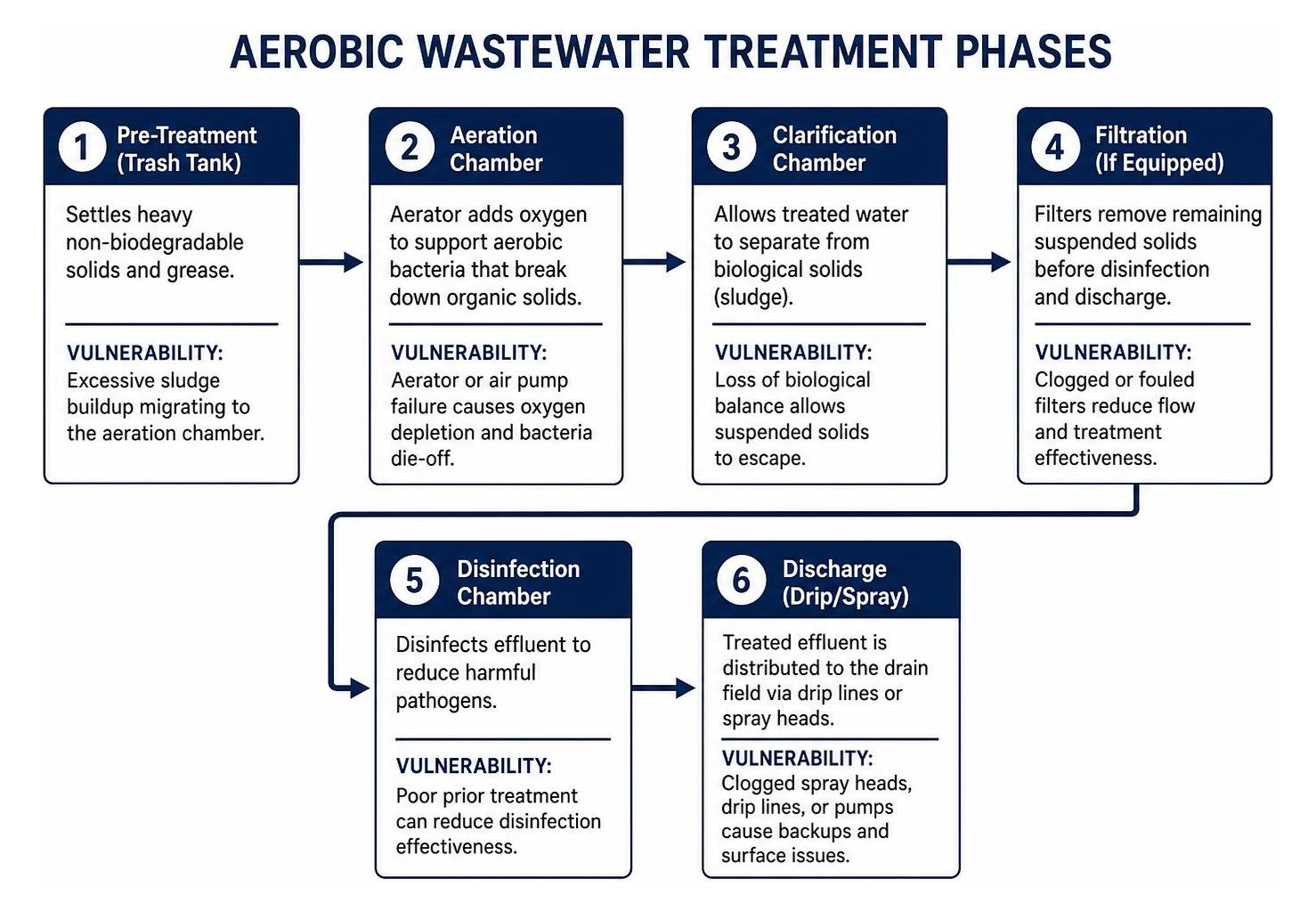
When biological digestion fails, suspended solids escape into secondary chambers, quickly plugging intake screens, fouling effluent discharge pumps, and clogging distribution drip lines or lawn spray nozzles. Observing early warning signs and scheduling timely septic repairs will protect your entire system from premature component failure and prevent yard contamination.
| Operational Phase | Primary Function | Vulnerability / Failure Mode |
|---|---|---|
| Pre-Treatment (Trash Tank) | Settles heavy non-biodegradable solids and grease | Excessive sludge buildup migrating directly into the aeration chamber |
| Aeration Chamber | Injects dissolved oxygen to sustain aerobic bacterial colonies | Compressor mechanical breakdown, torn air diffuser, or power loss |
| Clarifier Chamber | Allows biological solids to settle out of clarified liquid | Sludge bulking caused by microbial die-off or chemical overload |
| Disinfection & Discharge | Treats clear effluent and disperses it safely onto the lawn | Disinfectant tablet runout, clogged spray heads, or discharge pump failure |
Warning Signs That Demand Immediate Attention
Your outdoor control panel serves as the primary monitor for system performance. When an illuminated red light or an audible buzzer activates, the system is warning you of an active mechanical or electrical failure. A high-water alarm typically indicates that the discharge pump has stopped running, a float switch has failed or tangled, or heavy indoor water usage has exceeded the unit processing capacity.
Foul, rotten-egg sewer odors drifting across your yard indicate that aeration has stopped and the tank has turned anaerobic and septic. If you observe standing water or spongy wet patches near surface spray heads or drip tubing, unclarified effluent is escaping before adequate treatment. Ignoring these warnings can lead to severe environmental contamination, yard damage, and hazardous wastewater backups into your home fixtures. When these symptoms appear, contact emergency septic repair services promptly to evaluate the failure before major damage occurs.
The Risks of DIY Servicing vs. Professional Compliance
Attempting to service complex aerobic septic equipment without specialized tools and training presents substantial safety hazards. One of the most dangerous DIY mistakes involves chemical disinfection. Aerobic disinfection chambers require specific calcium hypochlorite tablets manufactured exclusively for residential wastewater treatment. Homeowners sometimes mistakenly place standard trichlor swimming pool chlorine tablets into their septic chlorinator. Swimming pool chlorine is formulated for open, clean water; when introduced into an enclosed septic environment containing concentrated organic matter, it reacts violently with organic compounds and gasses, creating severe explosion risks and generating toxic chlorine gas.
Beyond chemical dangers, servicing high-voltage electrical panels, submerged effluent pumps, and heavy concrete or fiberglass access lids carries severe physical risks. Working inside wet electrical enclosures without proper diagnostic equipment can cause electrical shock. Furthermore, improper adjustments to the air compressor can tear internal rubber diaphragms or create excessive backpressure that burns out the drive motor prematurely.
Environmental health departments throughout Indiana enforce rigorous operating and maintenance guidelines for aerobic treatment units. Most county health boards mandate scheduled professional inspections, requiring certified maintenance providers to submit formal inspection logs directly to county tracking databases. Attempting informal, unverified DIY maintenance can lead to failed property inspections, invalid operating permits, and municipal code violation fines. Learning how to manage your system properly means understanding the boundary between routine homeowner observation and certified professional care.
Safe Homeowner Checks Between Professional Visits
Homeowners can perform simple, non-invasive visual and operational checks between scheduled professional visits. Following a structured maintenance checklist keeps equipment running reliably without risking personal safety or mechanical damage.
Safe homeowner tasks include:
- Inspecting the exterior control panel monthly to confirm that no warning lights are active, breakers are set, and power switches remain in their normal operating positions.
- Listening near the compressor housing for a smooth, continuous hum, noting any grinding, rattling, or sudden silence.
- Inspecting the chemical chlorinator tube to verify that approved calcium hypochlorite wastewater tablets are present and feeding freely without bridging.
- Walking the perimeter of the dispersal field to look for soil erosion, tall vegetation blocking surface spray heads, or unusual wet spots.
- Protecting the biological culture by never flushing antibacterial cleansers, harsh chemical solvents, flushable wipes, feminine hygiene products, or cooking grease down the drains.
Evaluating Aerobic Septic System Maintenance Providers Near Me
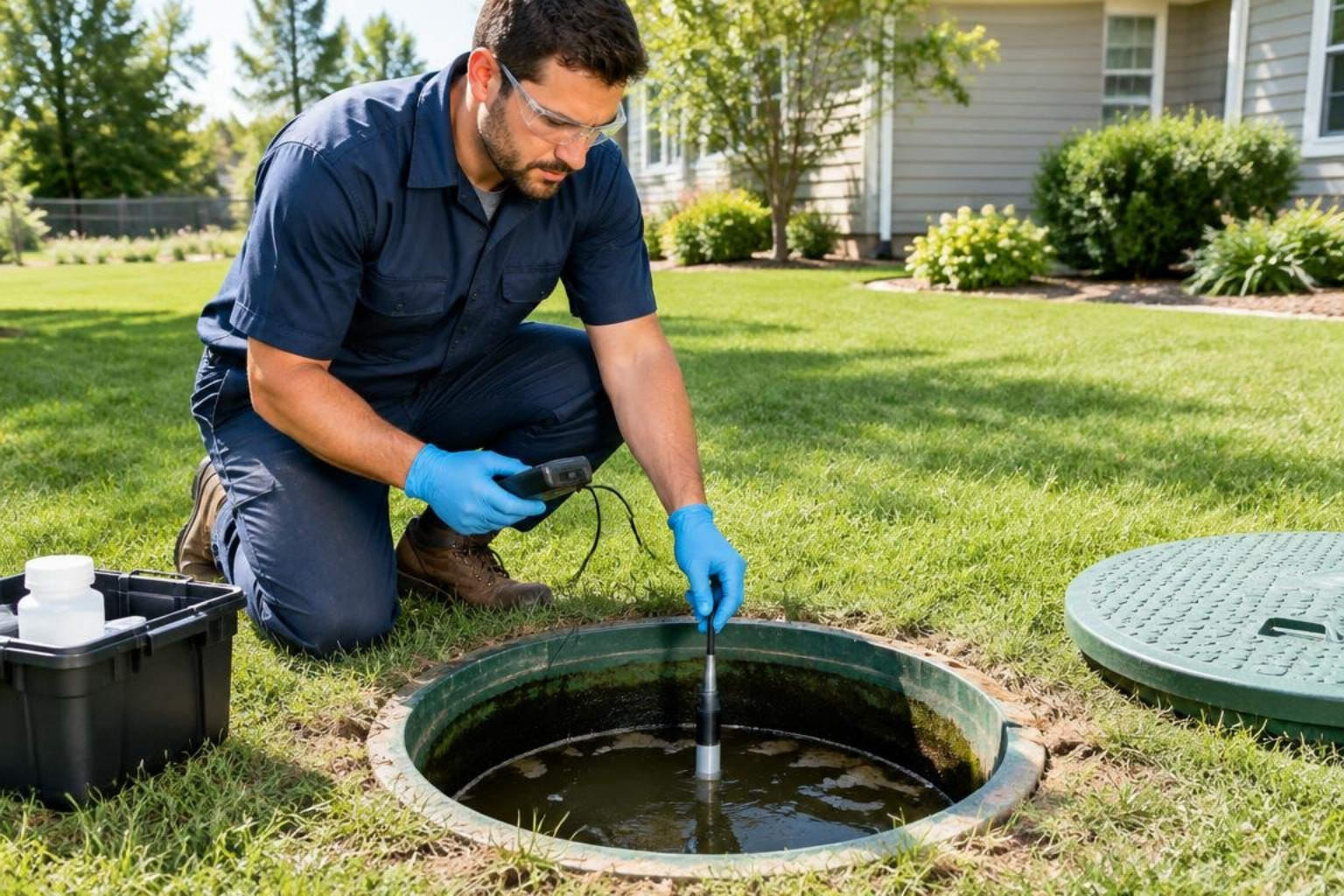
When evaluating local service contractors, choose technicians who possess deep experience with mechanical aeration, high-head effluent pumps, electrical controls, and regulatory compliance standards. A dependable provider maintains active trade licensing, holds comprehensive liability insurance, and employs technicians certified across leading aerobic equipment brands.
A thorough technician does far more than lift a tank lid. During a maintenance visit, they test dissolved oxygen concentrations, measure sludge blanket depths in all chambers, test chlorine residual levels, clean air compressor intake filters, and check the electrical amp draw on all pumps. They also confirm that surface spray distribution patterns align with county health approvals and property boundaries. A reputable contractor supplies detailed written reports after every visit, ensuring your service records remain complete alongside routine septic tank cleaning and inspection schedules.
Comparing Service Tiers: Good, Better, and Best Maintenance Plans
Different residential properties require varying degrees of technical care based on daily water volume and system age. When reviewing service contracts, evaluate plan coverage across three structured tiers:
- Good (Basic Pumping and Safety Check): Covers scheduled trash-tank pumping, baseline float switch inspections, and control-panel alarm testing. This tier works well for small households with low water consumption who monitor their systems closely.
- Better (Scheduled Multi-Point Inspection Plan): Includes tri-annual or quarterly mechanical assessments. The technician cleans compressor air filters, measures sludge and scum accumulations across every compartment, cleans pump intake screens, and tests chemical delivery.
- Best (Full-Service Compliance and Advanced Care): Delivers quarterly multi-point inspections, priority 24/7 emergency dispatch, precise sludge depth analysis, automated regulatory filing with county health boards, and scheduled septic pumping. This tier provides maximum equipment life and guarantees full regulatory compliance. Learning why your septic system needs more than just a pump out ensures every mechanical, chemical, and biological stage operates at peak efficiency.
For complex site evaluations, water well drilling, and deep environmental work, top contractors rely on specialized Mud Puppy equipment for clean mud recycling and drilling, ensuring the surrounding landscape remains protected during major repairs.
Vetting Aerobic Septic System Maintenance Providers Near Me for Emergency Response
Septic emergencies rarely occur during convenient business hours. Heavy holiday water usage, sudden electrical power surges, or mechanical blower failures can trigger control-panel alarms at any time. When vetting prospective maintenance companies, verify that they operate a live 24/7 emergency dispatch service rather than relying on unmonitored answering machines.
A professional emergency provider arrives in fully equipped service trucks carrying replacement compressor diaphragms, heavy-duty submersible pumps, control relays, and float switches. Having correct replacement parts on hand allows technicians to complete repairs during the initial visit, restoring biological aeration before your beneficial bacterial culture dies.
Questions to Ask Aerobic Septic System Maintenance Providers Near Me
Before entering into a service agreement, ask these important qualifying questions:
- Are your technicians certified to service and maintain my specific brand of aerobic treatment unit?
- Do you automatically file complete inspection reports directly with our local county health department?
- What is your typical arrival time when a high-water or air pressure alarm is triggered?
- How do you determine when the primary trash tank requires pumping, and do you operate dedicated vacuum trucks? Following a consistent septic tank pumping frequency schedule prevents solids from migrating into downstream components.
- Are all emergency diagnostic rates, standard service call fees, and part replacement costs clearly disclosed in advance?
To see verified customer feedback regarding prompt service, honest recommendations, and professional pumping in Central Indiana, you can review our Google Reviews for Blair & Norris Well and Pump Services.
Pumping Cycles, Component Care, and Long-Term Protection
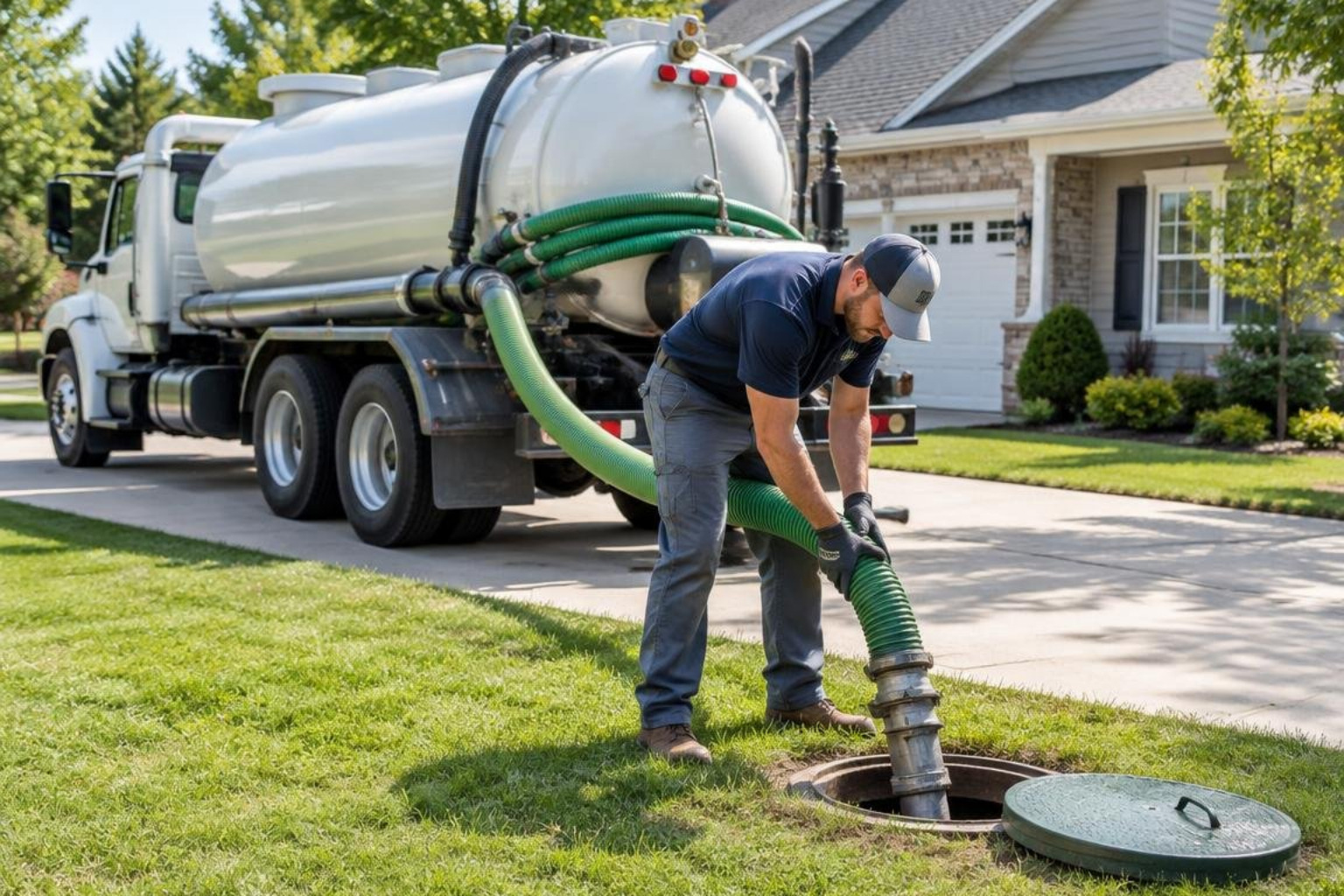
Even though aerobic bacteria break down organic materials much faster than anaerobic microbes, non-biodegradable solids and heavy sludge eventually accumulate in the pre-treatment trash tank and the bottom of the aeration chamber. Routine waste pumping remains an essential requirement for system longevity. Most residential aerobic treatment units require professional pumping every 3 to 5 years, depending on household occupancy, water consumption habits, and overall tank volume.
Neglecting trash tank pumping causes accumulated solids to spill over into the aeration chamber, burying the air diffusers, restricting oxygen dispersion, and clogging the clarification filters. When heavy solids bypass the clarifier into the final pump chamber, they cause the discharge pump to burn out and plug up spray heads or subterranean drip emitters. Scheduling regular septic system clean out visits removes accumulated inert solids, restores settling capacity, and shields downstream plumbing and dispersal zones from severe clogging.
Air compressors and blowers operate continuously, typically delivering a service life of 2 to 10 years depending on unit quality, ambient summer temperatures, and air filter maintenance. Cleaning the compressor intake air filter every few months prevents the motor from overheating and extends diaphragm life. Bottom-mounted air diffusers also require regular inspection to ensure that fine bubbles are evenly distributed across the entire aeration chamber. For additional regional guidelines regarding aerobic maintenance and wastewater management, consult trusted state resources including the Indiana State Department of Health and Purdue Extension’s residential wastewater resources.
Frequently Asked Questions About Aerobic Septic Maintenance
How often does an aerobic septic system need professional servicing?
Most state health regulations, local county ordinances, and equipment manufacturers mandate professional inspections every 90 to 120 days (three to four times per year). Because aerobic treatment units depend on continuous mechanical aeration, electrical float switches, and precise chemical disinfection, regular quarterly checkups ensure minor mechanical wear is detected and corrected before biological colonies collapse or sewage backs up into your home.
What type of chlorine should be used in an aerobic system?
Only use EPA-registered calcium hypochlorite tablets specifically formulated and labeled for residential wastewater disinfection in your aerobic chlorinator tube. Never place swimming pool chlorine tablets (trichlor or dichlor) into your aerobic system. Pool tablets dissolve at a completely different rate and can release explosive, toxic chemical gasses when brought into contact with septic waste and organic gasses.
Why is the alarm sounding on my aerobic septic unit?
An alarm activates on your outdoor control panel when an internal sensor detects an operational problem. The most common causes are an air compressor malfunction resulting in loss of air pressure, a high water level in the pump tank caused by a failing discharge pump, a jammed float switch, or a tripped circuit breaker. Silence the audible alarm switch on the panel, minimize household water usage immediately, and call a qualified service technician to diagnose the issue.
Conclusion
Keeping your aerobic septic system running smoothly requires steady mechanical maintenance, routine biological assessments, and timely waste pumping. Because these advanced systems rely on continuous power, active aeration, and proper chemical disinfection, partnering with a dependable local service professional protects your property investment and keeps your system fully compliant with state and local health standards.
Blair & Norris has served Central Indiana homeowners for over 75 years. As a trusted, family-owned business, we have built our reputation on practical advice, rapid emergency support, and exceptional workmanship. While we focus strictly on septic tank pumping, maintenance, cleaning, and well pump services rather than new septic installations, our decades of field experience ensure your existing wastewater treatment system receives top-quality care.
Whether you live in Marion, Hamilton, Hendricks, Boone, Johnson, Morgan, Shelby, Hancock, Madison, Tipton, Monroe, Brown, Bartholomew, Jackson, Jennings, or Scott County, our team is ready to assist you. Contact Blair & Norris today for expert septic tank pumping and maintenance in Indiana and get a dependable estimate for your home.