
Start With a Simple Well Pump Maintenance Schedule
A reliable well system starts with a simple routine:
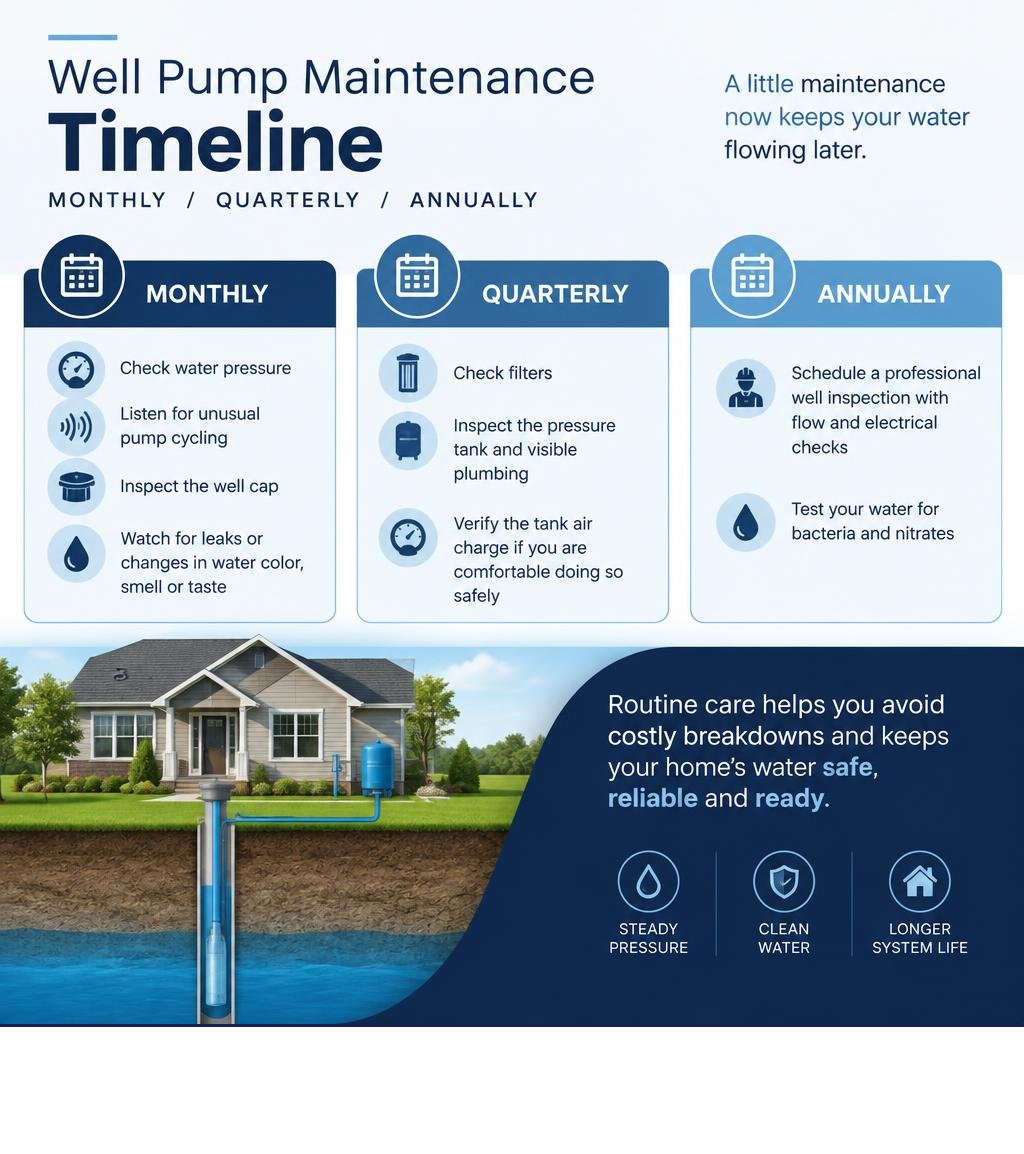
- Monthly: Check water pressure, listen for unusual pump cycling, inspect the well cap, and watch for leaks or changes in water color, smell, or taste.
- Quarterly: Check filters, inspect the pressure tank and visible plumbing, and verify the tank air charge if you are comfortable doing so safely.
- Annually: Schedule a professional well inspection with flow and electrical checks, and test your water for bacteria and nitrates.
This well pump maintenance schedule helps catch small problems before they leave your Central Indiana home with weak pressure, no water, or unsafe water. Pay close attention to short cycling, which means the pump turns on and off in quick bursts. It can wear out a pump much faster than normal operation.
Keep the wellhead clean and protected, with the cap sealed and the ground sloping away from it. After flooding, major repairs, a long power outage, or nearby construction, have the system inspected and test the water before relying on it for drinking.
I am Mack Blair, and I have spent more than 30 years working with Central Indiana well and pump systems. At Blair & Norris, Your Local Central Indiana Provider, we help homeowners use a practical well pump maintenance schedule to protect steady water pressure, water quality, and long-term system reliability.
Why Preventive Care Beats Emergency Repairs
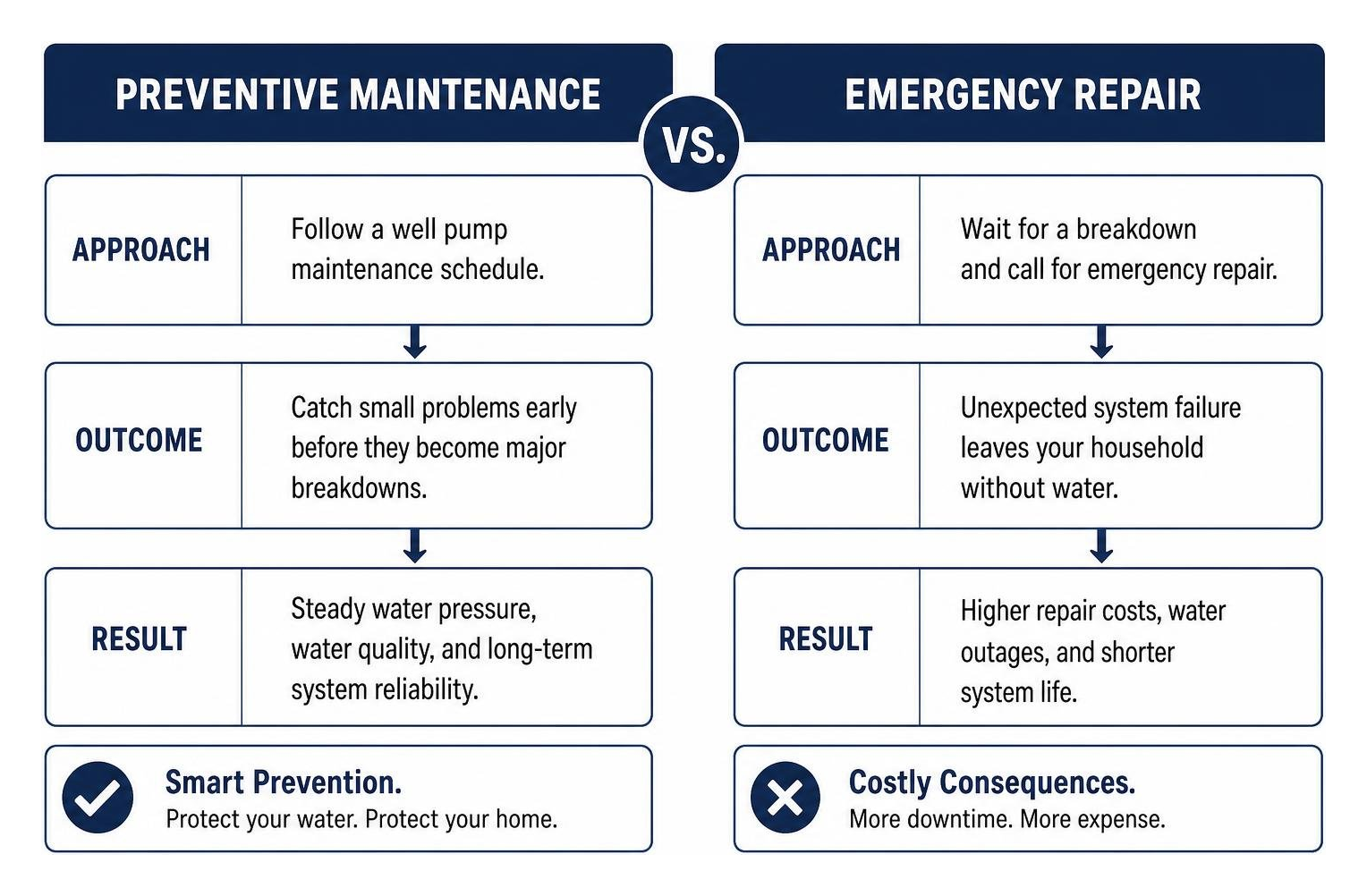
Roughly 80% of private well owners never schedule annual maintenance. Instead, most wait until the shower stops running mid-lather or the faucets run dry on a holiday weekend. Waiting for a catastrophic breakdown transforms a minor adjustment into an emergency plumbing crisis that disrupts your household routine and strains your budget.
Preventive care allows you to spot gradual wear before it turns into complete mechanical breakdown. An unexpected system failure leaves your household without water for drinking, cooking, sanitation, and fire suppression. By tracking minor changes in system behavior, such as longer run cycles or slight drops in line pressure, you can address small irregularities before they cascade into major mechanical failures.
The Real Cost of Equipment Neglect
A properly maintained submersible well pump typically operates for 15 to 25 years, while above-ground jet pumps average 10 to 15 years. Neglected systems, by contrast, frequently suffer premature failure within 5 to 8 years. Routine maintenance protects every component from the motor windings deep in the ground to the mechanical controls in your utility room.
Neglect also creates hidden ongoing expenses. When a pump struggles against failing internal impellers or a waterlogged tank, its motor runs significantly longer to meet household demand. Pumps typically use 1 to 2 kWh per 1,000 gallons under normal load, but a damaged unit draws excessive electrical current, causing higher utility bills each month. Over time, that wasted energy adds up to hundreds of dollars in unnecessary operating costs.
When motor windings eventually overheat and burn out, homeowners face emergency replacement costs. In extreme circumstances, when a neglected well suffers severe down-hole structural failure or borehole collapse, drilling an entirely new well becomes the only viable option. Homeowners can review the risks associated with catastrophic failure to understand how regular checkups protect against these severe financial impacts.
Critical Warning Signs Requiring Immediate Action
Private wells rarely fail without warning. Components usually send clear distress signals before shutting down entirely. If you notice any of the following symptoms, investigate immediately:
- Rapid pressure switch clicking: Hearing your mechanical switch click on and off every few seconds while running a single faucet signals dangerous short cycling.
- Sputtering faucets: Pockets of air spitting from indoor fixtures point to failing check valves, cracked drop pipes, or a dropping water table in the aquifer.
- Murky, discolored, or sandy water: Silt or grit appearing in sink basins indicates sediment intrusion, damaged well screens, or worn pump impellers.
- Unexplained electric bill spikes: A pump motor running continuously due to pressure loss or faulty controls will drive up household electrical consumption significantly.
- Sudden pressure drops below 40 PSI: Sustained low water pressure suggests a clogged filtration system, failing motor, or ruptured pressure tank bladder.
When these symptoms appear, prompt action prevents secondary damage to plumbing appliances throughout the home. Homeowners in Indianapolis, Carmel, Noblesville, and Greenwood should turn to comprehensive water well repair services to diagnose and resolve underlying issues quickly before total water loss occurs.
The Master Well Pump Maintenance Schedule: Monthly, Quarterly, and Annual Steps
Systematic maintenance keeps water delivery consistent and safe throughout the year. Rather than treating your well as an out-of-sight utility, adopt a structured schedule based on state and industry recommendations, including Indiana preventive maintenance program guidelines.
Establishing a Year-Round Well Pump Maintenance Schedule
Creating a successful maintenance plan requires a steady cadence and simple record-keeping. Keep a dedicated notebook or digital log near your pressure tank. Record baseline water pressure readings, electrical current draws, filter changes, and water testing results. Having a written history allows technicians to identify gradual operational shifts before they turn into complete outages. For detailed home tracking templates, review standard well owner maintenance recommendations to keep your system organized.
Monthly Five-Minute Visual and Auditory Checks
Monthly upkeep takes only five minutes and requires no special tools.
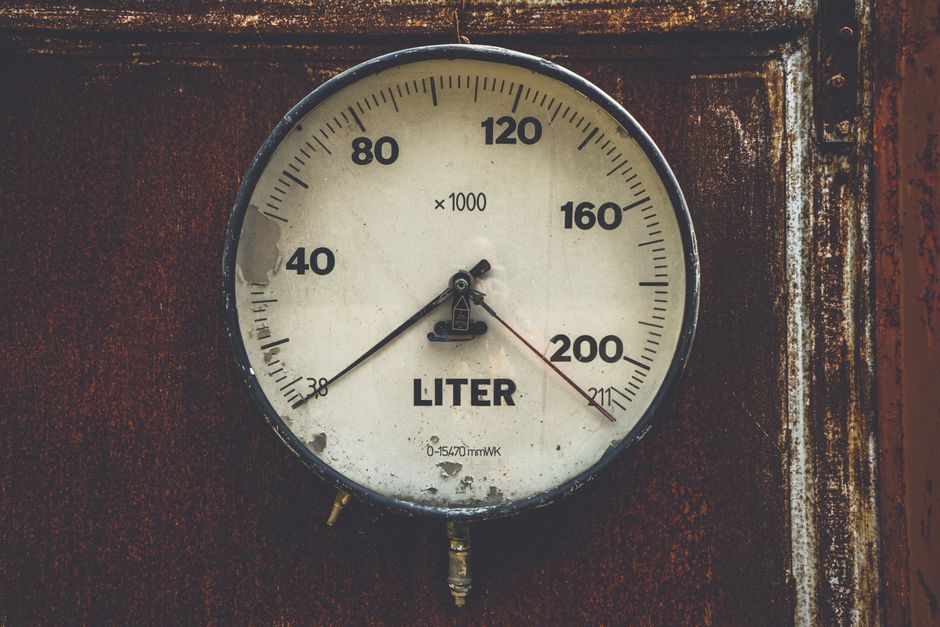
Begin by checking the mechanical pressure gauge mounted near your pressure tank. Most residential systems run on either a 30/50 PSI or 40/60 PSI operating range. The pressure should stay within these boundaries during normal household water use without erratic swings.
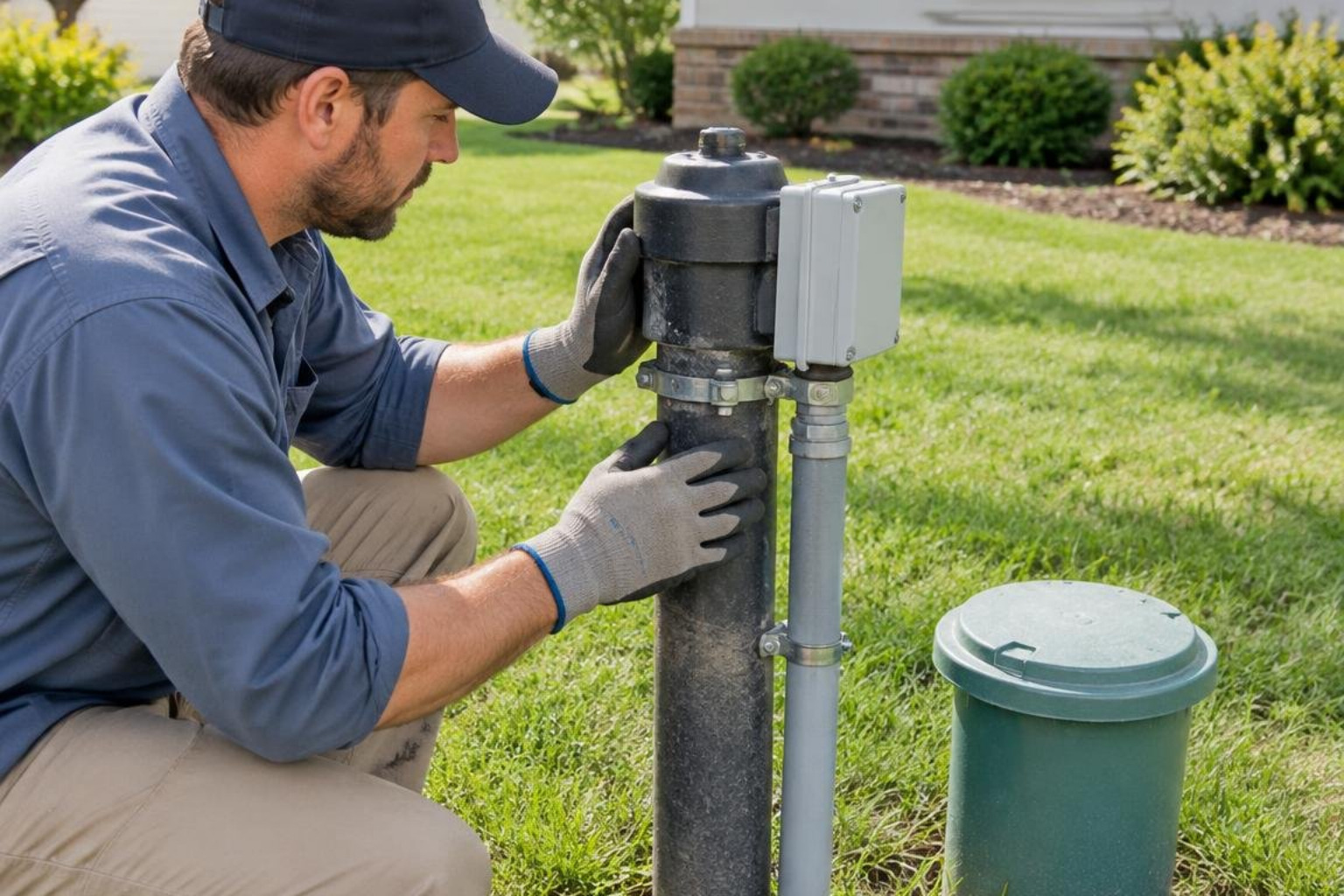
Next, walk out to the wellhead. Confirm that the sanitary seal and well cap sit at least 12 inches above the surrounding ground level. Verify that the casing is free of cracks, structural damage, or insect nests, and check that the ground slopes gently away from the casing for at least 15 feet to shed surface runoff away from the wellhead.
Finally, stand near the pressure tank inside the home while running a faucet. Listen to the pump cycle on and off. A smooth, quiet transition is normal. Grinding sounds, loud relay clicking, or metallic vibrations indicate mechanical strain that requires prompt professional attention.
Quarterly Mechanical and Pressure Tank Care
Every three months, complete a more detailed physical check of your mechanical controls and pressure storage.
- Inspect sediment filtration: Check and replace whole-house sediment filter cartridges. Heavy sediment accumulation restricts flow and creates artificial backpressure on the pump, shortening its operational life.
- Examine electrical switch contacts: Turn off the dedicated well circuit breaker first. Remove the plastic cover of the pressure switch and inspect the metal contact points. Clear away dust, debris, or insect buildup using a dry cloth. Burned or pitted contacts signal electrical arcing and require replacement.
- Verify tank pre-charge pressure: The air charge inside your pressure tank must be calibrated to match your switch cut-in pressure. Learn the procedure for inspecting well pressure tanks to verify bladder health and prevent waterlogging.
To adjust the internal pressure switch settings correctly, review our instructions on setting pressure switch settings to prevent cycle errors and maintain balanced household water flow.
Annual Water Quality Testing and Deep Mechanical Audits
Once a year, perform a full water quality evaluation and schedule a deep mechanical checkup. Because harmful contaminants like coliform bacteria, E. coli, and nitrates carry no distinct odor, color, or taste, certified laboratory testing is the only reliable way to confirm water safety for your family.
An annual professional audit should also include:
- Motor amperage draw testing with a multimeter to evaluate internal winding health and overall electrical load.
- Grounding and electrical wire insulation integrity checks to prevent short circuits and system trip events.
- Continuous flow-rate testing and well recovery analysis to evaluate aquifer output.
- Pressure relief valve safety checks to protect against dangerous over-pressurization.
- Sanitary well cap gasket inspections to ensure surface contaminants cannot enter the well casing.
Seasonal Care and Event-Driven Well Inspections
Central Indiana experiences severe temperature swings, from freezing winter conditions to heavy spring rainfall and summer dry spells. Adapting your maintenance routine to the changing seasons protects against weather-related failures and costly component replacements.
Protecting Systems Against Winter Freezes and Spring Thaws
Sub-zero winter temperatures threaten exposed above-ground plumbing, pitless adapters, and unheated well houses. Before freezing temperatures arrive in late fall, ensure all above-ground piping features proper thermal insulation and self-regulating heat tape. Learn more about effective well pump freeze protection to prevent frozen pipes from splitting and burning out your pump motor during harsh winter months.
In early spring, shifting ground and melting snow can pool around the wellhead. Check that heavy runoff does not submerge the sanitary seal. Spring is also the ideal time to clear away leaves, brush, mulch, and landscaping within a 10-foot radius of the well casing to keep burrowing pests and insects away from the electrical conduit.
Post-Disaster Protocols: Floods, Outages, and Construction
Certain unexpected events require an immediate pause in water use and a thorough inspection:
- Flooding events: If standing floodwater rises over your wellhead, assume the well is contaminated. Do not start the pump, as wet electrical components pose severe shock hazards. Have a professional purge the borehole, conduct shock chlorination, and test the water before household use resumes.
- Extended power outages: When a water system loses pressure during an outage, back-siphoning can draw contaminants into the distribution lines. Once power returns, let outdoor faucets run for several minutes to flush the lines before using indoor fixtures.
- Nearby construction or excavation: Heavy machinery, road grading, or utility trenching nearby can vibrate aquifers, loosen sediment, or damage underground drop lines. Check sediment filters frequently during nearby earthwork.
DIY Upkeep vs. Licensed Professional Services
Maintaining a private water supply requires knowing which tasks are safe for homeowners and which require specialized tooling and certifications to execute safely.
Cost Breakdown: Professional vs. DIY Well Pump Maintenance Schedule
A balanced approach combines regular DIY monitoring with periodic professional servicing. Here is a breakdown of common maintenance tiers to help you budget effectively:
| Tier | Scope of Work | Recommended Frequency | Primary Benefits |
|---|---|---|---|
| Good (Basic DIY) | Visual wellhead checks, gauge readings, monthly filter replacements, clearing brush around the casing. | Monthly to Quarterly | Catches surface leaks early; prevents basic sediment clogs and pest intrusion. |
| Better (Advanced DIY) | Air charge adjustment, contact point cleaning, DIY home water screen kits, baseline log tracking. | Semi-Annually | Keeps pressure tank balanced; spots electrical wear early; prevents cycle stress. |
| Best (Professional Care) | Lab water panel, motor amp draw analysis, down-hole camera checks, flow recovery tests. | Annually to Every 3 Years | Maximizes 20+ year pump life; verifies water safety; avoids catastrophic failures. |
When to Bring in a Licensed Contractor
While monitoring gauges and swapping filters are simple homeowner tasks, deeper mechanical repairs present real hazards. Submersible pumps run on 240-volt electrical feeds capable of causing severe electrical injury. Attempting to pull hundreds of feet of water-filled drop pipe without specialized pump-hoisting equipment risks dropping the entire assembly down the borehole, leading to total well loss.
Call a licensed professional whenever you encounter:
- Pump motors that trip circuit breakers repeatedly or fail to start under load.
- Corroded, waterlogged, or ruptured pressure tank bladders requiring replacement.
- Damaged well casing below grade or compromised pitless adapters.
- Complete loss of water pressure unrelated to local power outages.
- Positive bacterial test results requiring systematic shock chlorination and system sanitization.
At Blair & Norris, our technicians use specialized down-hole diagnostic tools and advanced drilling technologies, including Mud Puppy equipment for clean mud recycling and drilling, which separates solids efficiently for cleaner, more environmentally sound drilling and servicing.
In addition to residential well systems, complete rural property maintenance often involves addressing broader wastewater requirements. We support local properties with dedicated septic tank pumping and cleaning, and we provide commercial fluid handling services for grease traps and car wash drainage catch basins across Central Indiana.
Frequently Asked Questions About Well Pump Care
How long does a residential well pump typically last?
A quality submersible pump usually lasts 15 to 25 years with routine maintenance, while jet pumps average 10 to 15 years. Lifespan depends heavily on water chemistry, mineral hardness, sediment levels, cycle frequency, and proper pressure tank calibration.
What is pump short cycling and why is it dangerous?
Short cycling occurs when a pump turns on and off rapidly, sometimes every 10 to 30 seconds during active water use. It is usually caused by a waterlogged pressure tank that has lost its internal air cushion or a malfunctioning pressure switch. Rapid cycling overheats the motor windings, which can reduce a pump’s working life from 15 years down to just 3 to 5 years.
How often should well water be tested for safety?
Test your well water at least once a year through an accredited laboratory for total coliform bacteria, E. coli, and nitrates. You should also order an immediate water test after any casing repairs, severe flood events, or sudden changes in water clarity, color, odor, or taste to protect household health.
Can regular maintenance lower my electric bills?
Yes. When a pump operates with worn impellers, clogged intake screens, or improper pressure tank air levels, it must run longer and draw higher electrical current to reach target pressure. Keeping components calibrated and clean ensures optimal motor efficiency and keeps monthly energy bills under control.
Protect Your Water System with Consistent Care
Staying on top of your well pump maintenance schedule protects your water supply, preserves strong household water pressure, and prevents the stress of sudden outages. Spending a few minutes each month on basic inspections and partnering with experienced technicians for annual testing will help your system deliver clean, dependable water for decades to come.
Blair & Norris brings over 75 years of trusted experience as Your Local Central Indiana Provider, serving families across Indianapolis, Carmel, Fishers, Noblesville, Westfield, Zionsville, Greenwood, and surrounding communities. Backed by 24/7 live phone support, our licensed technicians are ready to handle routine tune-ups, full replacements, and water quality testing.
Check our verified customer feedback on Google Reviews to see how we treat our neighbors throughout Central Indiana. Whether you want to book scheduled well pump services, arrange septic tank pumping, or need immediate 24/7 emergency well pump service, contact Blair & Norris today for an honest estimate and dedicated support.