
Choosing Professional Well Drilling in New Whiteland
For a new well in New Whiteland, start with a contractor who serves Johnson County. Ask for a written quote that explains the drilling plan, well casing, pump installation, and water testing. Before hiring, confirm who will handle state requirements and file the well records with Indiana regulatory bodies.
Blair & Norris is Your Local Central Indiana Provider of well drilling and pump services. I am Mack Blair, and I began learning this work from my grandfather more than 30 years ago. Today, I use that experience to help homeowners understand what to look for before work begins. When you need professional well drilling, New Whiteland homeowners can count on our team for clean drilling practices, proper casing, and long-term water quality.
Investing in a private well gives you continuous access to fresh water without recurring municipal water bills or unexpected utility rate hikes. However, drilling a well is a complex undertaking that requires specialized geological knowledge, heavy machinery, and precision sanitary engineering. Choosing a dedicated local contractor guarantees that your system is planned, constructed, and serviced to meet the highest safety standards from day one.
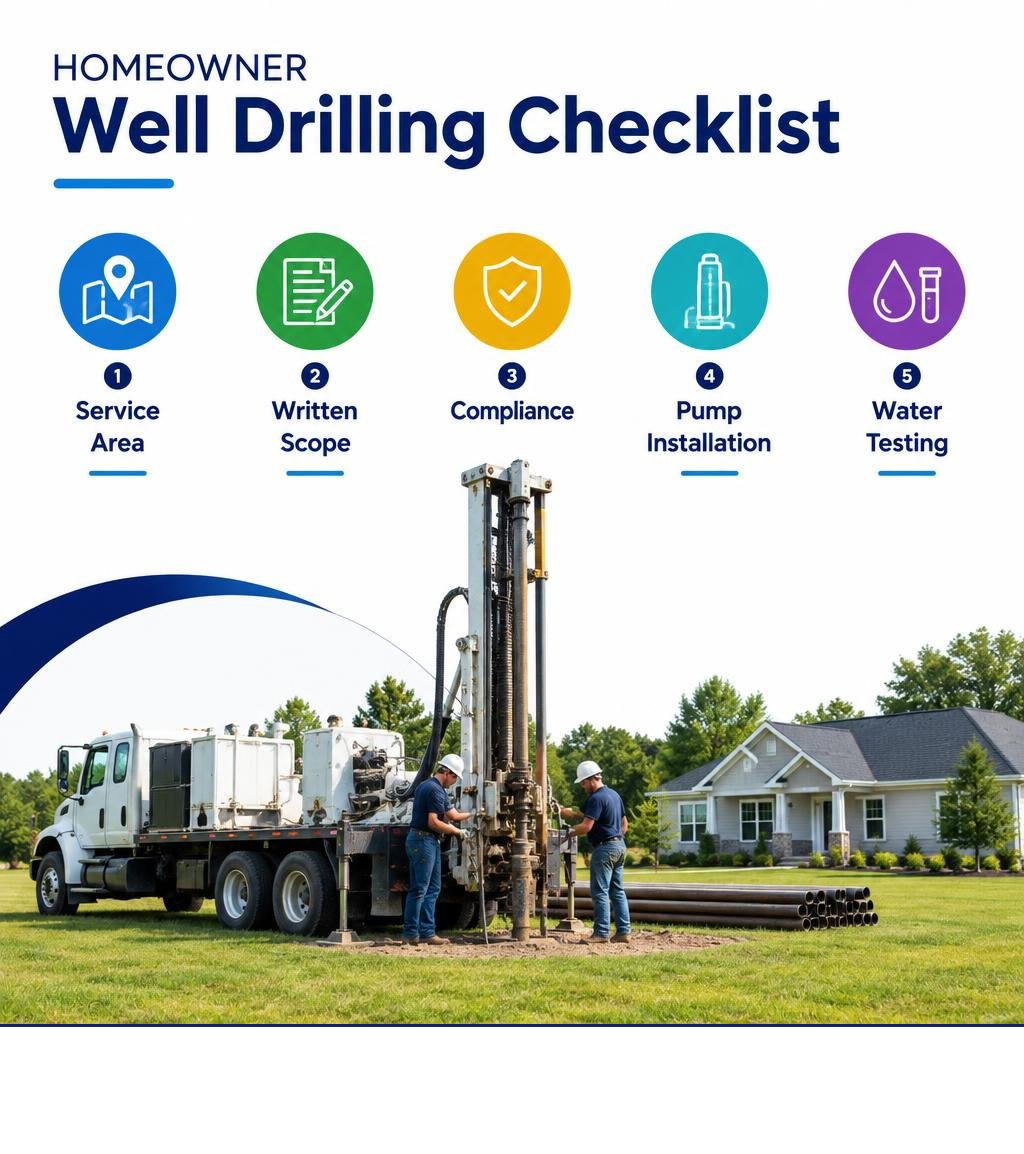
Key well drilling project considerations:
- Hydrogeological assessment and drilling site planning tailored to Johnson County soil
- Dedicated family-owned local service, transparent communication, and fast support
- Proper well pump sizing, dynamic pressure management, and quality filtration
- Environmentally conscious site protection and clean mud recycling techniques
- Adherence to all Indiana state sanitary separation rules and permit filings
Contact Blair & Norris today to discuss your project specifications and schedule a consultation with our experienced drilling technicians.
Understanding Groundwater Needs and Professional Well Drilling New Whiteland Requirements
Accessing dependable, clean groundwater in Johnson County requires an in-depth understanding of local geology. The hydrogeological formations throughout Central Indiana consist primarily of unconsolidated glacial drift, dense silt, sand and gravel channels, and deeper limestone bedrock. Because these sub-surface formations shift across relatively short distances, understanding the basics of how wells work helps homeowners appreciate why thorough site evaluation is vital before drilling begins.
Meeting household water demand involves calculating peak usage during morning routines, landscape irrigation, and simultaneous appliance operation. A properly engineered water well ensures that your household flow rate stays strong and reliable even during extended dry summer spells. Moreover, local installations must adhere strictly to environmental and sanitary standards outlined by state guidelines and resources from the Indiana Ground Water Association. For homeowners planning professional well drilling, New Whiteland regulations ensure that water systems tap into sustainable aquifers while protecting regional groundwater resources against potential surface contaminants.
Why DIY Well Drilling Poses Severe Safety and Contamination Risks
Attempting to dig or drive a well without professional heavy machinery and geological expertise often leads to severe property damage and safety hazards. Central Indiana soils contain heavy clay and dense glacial till that can easily bind amateur augers, resulting in dangerous equipment failures or sudden borehole collapse.
Beyond physical hazards, DIY attempts create direct contamination pathways. Without proper casing depth and specialized pressure-grouted seals, surface runoff carrying lawn chemicals, bacteria, and agricultural runoff will migrate directly into drinking aquifers. To learn more about standard safeguards, review residential water well installation 101 to see how regulated sanitary construction safeguards household health.
In addition, unlicensed drilling runs afoul of state environmental mandates. Indiana regulations require detailed record logging and strict setback distances from septic systems, sewer lines, and property lines. Working with an experienced professional guarantees full regulatory compliance, protecting your family’s health and preserving your property value.
Key Engineering Steps in Professional Well Drilling New Whiteland Projects
Modern well construction follows a meticulous engineering sequence to deliver safe water for decades:
- Hydrogeological Site Assessment: Evaluating property boundaries, soil composition, underground utilities, and mandatory sanitary setback distances.
- Precision Borehole Excavation: Utilizing specialized rotary drilling rigs to penetrate through glacial till, sand layers, and dense rock formations. We utilize high-efficiency Mud Puppy solids-control equipment for clean mud recycling and drilling, which continuously separates drill cuttings and keeps the job site pristine.
- Casing and Screen Placement: Installing heavy-duty, corrosion-resistant steel or thermoplastic casing alongside precision-slotted well screens designed to prevent sand infiltration.
- Sanitary Annular Grouting: Pumping high-solids bentonite grout or neat cement under positive pressure into the annular space to create an impermeable seal against surface runoff.
- Well Development and Yield Testing: Flushing fine sediments from the aquifer formation and conducting sustained yield testing to verify continuous gallon-per-minute performance.
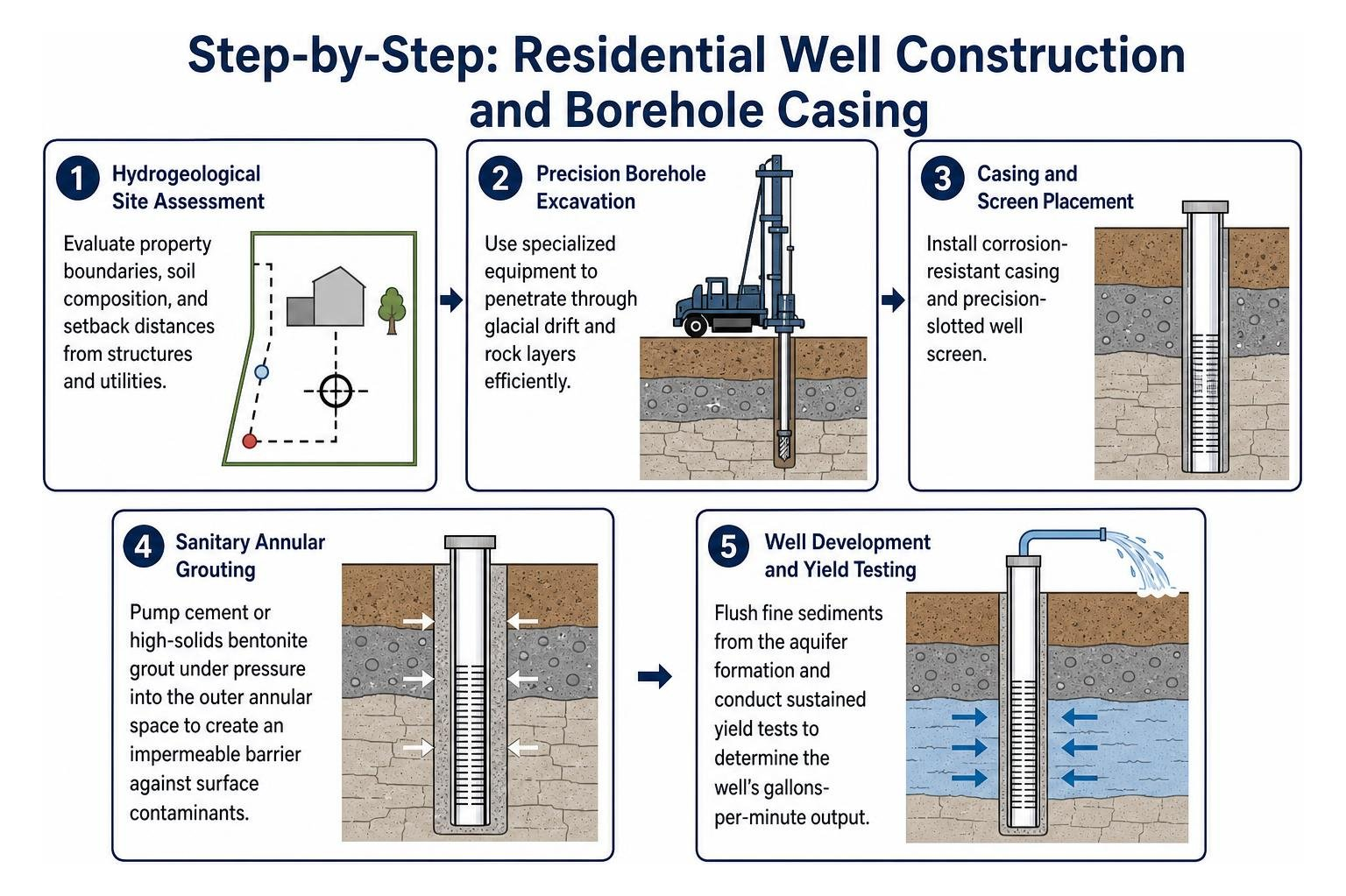
When planning a project, homeowners often explore the full scope of drilling wells to understand the relationship between borehole depth, water table stability, and long-term water quality.
Key Credentials to Look For in a Quality Well Drilling Contractor
Selecting the right drilling partner protects your property, your drinking water, and your financial investment. Homeowners should verify that any prospective contractor holds active Indiana state licenses, carries robust general liability and workers’ compensation coverage, and follows established industry standards.
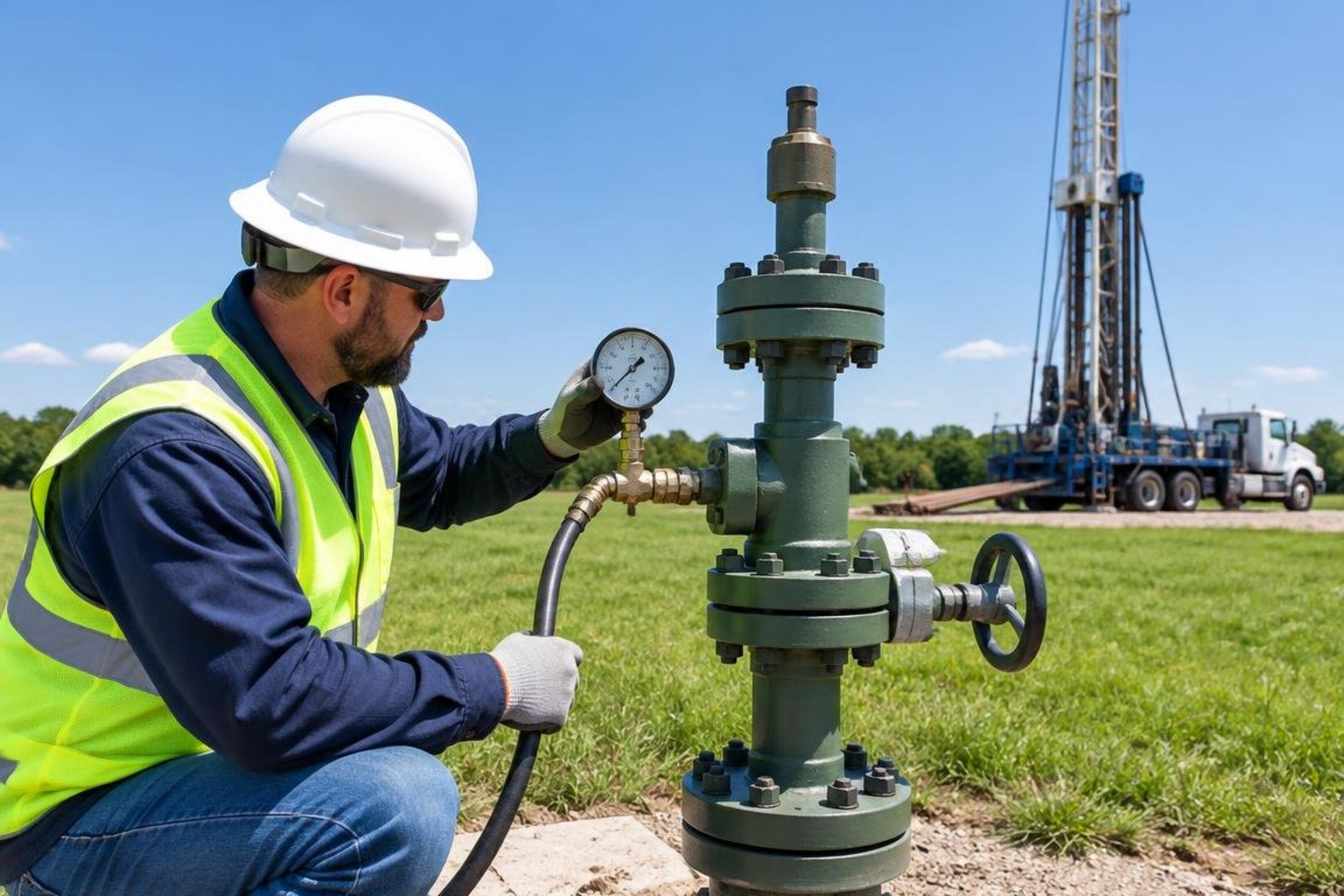
You can confirm professional credentials using the national NGWA contractor directory lookup, which highlights providers dedicated to continuous education and safety. Working with an accredited professional ensures your well is constructed using proven hydrogeological methods.
Essential Industry Certifications and Safety Qualifications
Top-tier drilling specialists invest heavily in formal safety qualifications and technical training. Look for teams whose field crews maintain:
- Active State Well Driller and Pump Installer licenses
- VCA safety standards and workplace protocol certifications
- Nogepa safety awareness standards
- Certified First Aid and emergency response training
- Hydrogen Sulfide (H2S) safety awareness for managing underground gases safely
Certified contractors follow strict workplace protocols to execute these safety measures reliably in the field, safeguarding your property throughout the entire drilling and installation process.
Advanced Equipment Testing, Fabrication, and Field Installation
The durability of your water system depends on rigorous quality assurance before field assembly begins. Industry leaders use advanced 3D design software, such as Autodesk Inventor, to model wellhead configurations, evaluate stress tolerances, and eliminate fit errors prior to installation.
Additionally, critical components undergo pressure verification using indoor hydrotesting pits and gas testing baths. These controlled tests ensure that every casing joint, pitless adapter, and check valve can easily withstand high operating pressures without leaking or losing prime. When you choose a qualified contractor, you receive a dependable system designed for decades of trouble-free service.
Evaluating Costs, Scope of Work, and Service Estimates
When gathering estimates for a new well, ensure each proposal provides a clear breakdown rather than a single vague number. Total investment depends on total borehole depth, casing diameter, geological formations encountered, and pump motor horsepower.
To help you compare different approaches, we recommend evaluating proposals across a Good, Better, and Best tier framework:
- Good (Standard Package): Standard-gauge casing, baseline submersible pump, mechanical pressure switch, and basic surface sanitary seal.
- Better (Enhanced Package): Heavy-wall thermoplastic or steel casing, upgraded continuous-duty stainless steel submersible pump, high-capacity pressure tank, and extended manufacturer warranty.
- Best (Turnkey High-Efficiency Package): Premium corrosion-proof casing, constant-pressure variable frequency drive (VFD) pump system for city-like water pressure, full Mud Puppy clean-drilling site protection with advanced mud recycling, and an integrated whole-house filtration connection.
Homeowners can review factors impacting the cost to drill well to make an informed decision based on their household water usage.
| Feature / Service Component | Basic Drilling Proposal | Turnkey Professional Installation |
|---|---|---|
| Hydrogeological Site Planning | Basic visual check | Comprehensive geological survey & utility locating |
| Mud Management System | Open ground pit | Advanced Mud Puppy recycling system |
| Annular Grouting Method | Gravity pour | High-pressure positive displacement grouting |
| Pump Sizing & Sump Matching | Estimated sizing | Dynamic drawdown & yield calculation |
| Water Potability Lab Analysis | Basic test kit | Certified laboratory testing panel |
| State Compliance Records | Homeowner responsibility | Full DNR completion log documentation filed |
Comprehensive Water and Wastewater Management Capabilities
Beyond equipment and drilling methods, long-term support is essential. Your well system is an active utility that requires occasional servicing and preventative checkups. Partner with a company that offers transparent, itemized estimates, documented timelines, and 24/7 live emergency support so you never get stuck without water.
A comprehensive preparation process guides you through every milestone from the initial quote to turning on your faucets. Beyond residential wells, Your Local Central Indiana Provider understands broad wastewater and drainage needs. Our technicians deliver specialized services such as septic tank pumping, routine septic system cleaning, commercial grease trap maintenance, and car wash drainage pumping. These extended capabilities reflect complete mastery over regional liquid-waste and water-management systems.
Frequently Asked Questions About Well Drilling in New Whiteland
How deep are residential water wells typically drilled in Johnson County, Indiana?
Most residential wells in Johnson County range between 80 and 250 feet deep. The exact depth depends on whether the well taps into shallow sand and gravel veins within the glacial drift or penetrates deeper into limestone bedrock to achieve higher, sustained gallon-per-minute yields.
What permits and state regulations apply to drilling a well in New Whiteland?
All private water wells in Indiana must comply with Indiana Department of Natural Resources (DNR) regulations. These rules establish minimum isolation distances, including maintaining at least 50 feet of separation from septic tanks and 100 feet from septic absorption fields. Licensed contractors must also submit a complete well record log to the state within 30 days of completion.
How long does the complete well drilling and installation process take?
The actual drilling and casing installation typically takes 1 to 3 days, depending on soil conditions and depth. Connecting the trench lines, installing the submersible pump, setting pressure tanks, developing the well, and conducting water quality testing usually adds another 1 to 2 days before the system is placed into full service.
How does regular septic tank pumping protect drinking water wells?
Maintaining your septic tank through regular pumping prevents solids from clogging the drain field and forcing untreated effluent into shallow ground layers. Scheduling periodic septic tank pumping ensures that your on-site wastewater management remains safe and protects your drinking aquifer from contamination.
Conclusion
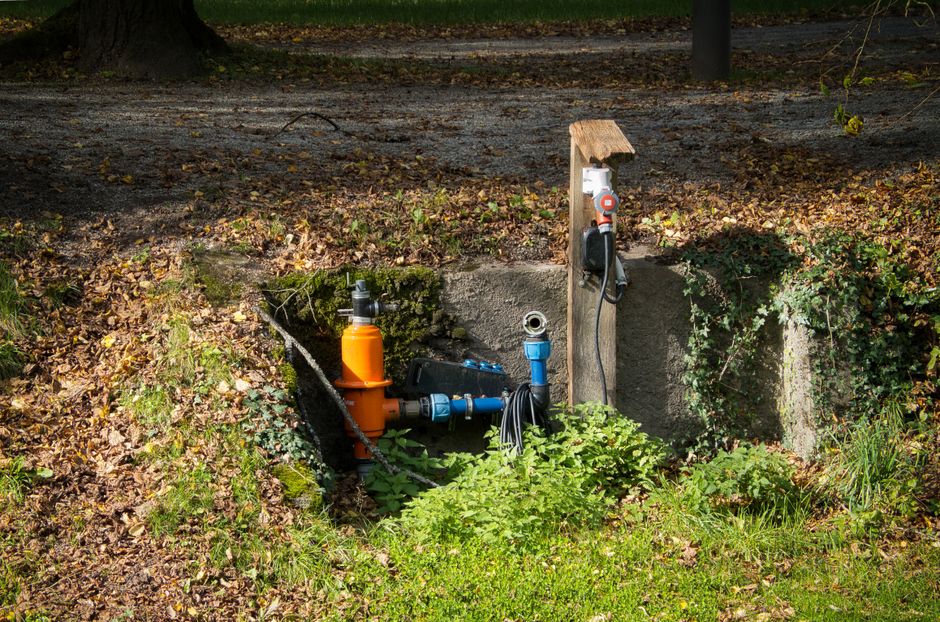
Investing in a private well gives your household long-term water independence, exceptional water pressure, and control over your drinking water quality. Achieving those benefits requires working with a dependable contractor who knows Central Indiana geology inside and out.
Blair & Norris brings more than 75 years of ethical, family-owned service to every project. We back our workmanship with 24/7 live phone support, experienced technicians, and clean drilling practices. Check out our verified feedback on Google Reviews for Blair & Norris Well and Pump Services to see how we treat our neighbors across the region. When you need dedicated professional well and pump installation services, scheduled preventative well system maintenance, or expert septic tank pumping, our team is ready to deliver exceptional results.
Contact Blair & Norris today to request your detailed on-site estimate and ensure your New Whiteland home has reliable water for generations to come.